Three nights in the northern Serengeti for the migration, three on Lake Tanganyika with the wild chimpanzees of Mahale and three on the beach in Zanzibar.
This trip puts three very different parts of Tanzania together. After a night near Arusha you fly to the northern Serengeti for three nights at Lemala Kuria Hills, close to the Mara River. Then you fly west to Lake Tanganyika and Greystoke Mahale, a beach camp at the foot of the Mahale Mountains, for three nights of trekking to see wild chimpanzees. You finish with three nights at Kilindi on Zanzibar's northwest coast.
It's best from July to October, when the herds are in the north, the chimp treks are easier and Zanzibar is dry. Kilindi takes guests 16 and over, so the trip suits couples and adults travelling together.
By Next Mile Travel · Updated
The Route
Itinerary
Day by Day
Day 1
Arrive at Kilimanjaro
We meet you at Kilimanjaro airport (JRO) and drive you about 30 minutes to Ngare Sero Mountain Lodge, an old farmhouse in the forest on the slopes of Mount Meru, for a quiet first night.
After breakfast we drive you to Arusha airport (ARK) for a scheduled flight to Kogatende in the northern Serengeti. From the airstrip it's about 45 minutes to Lemala Kuria Hills, in the Wogakuria Hills close to the Mara River and the Kenyan border.
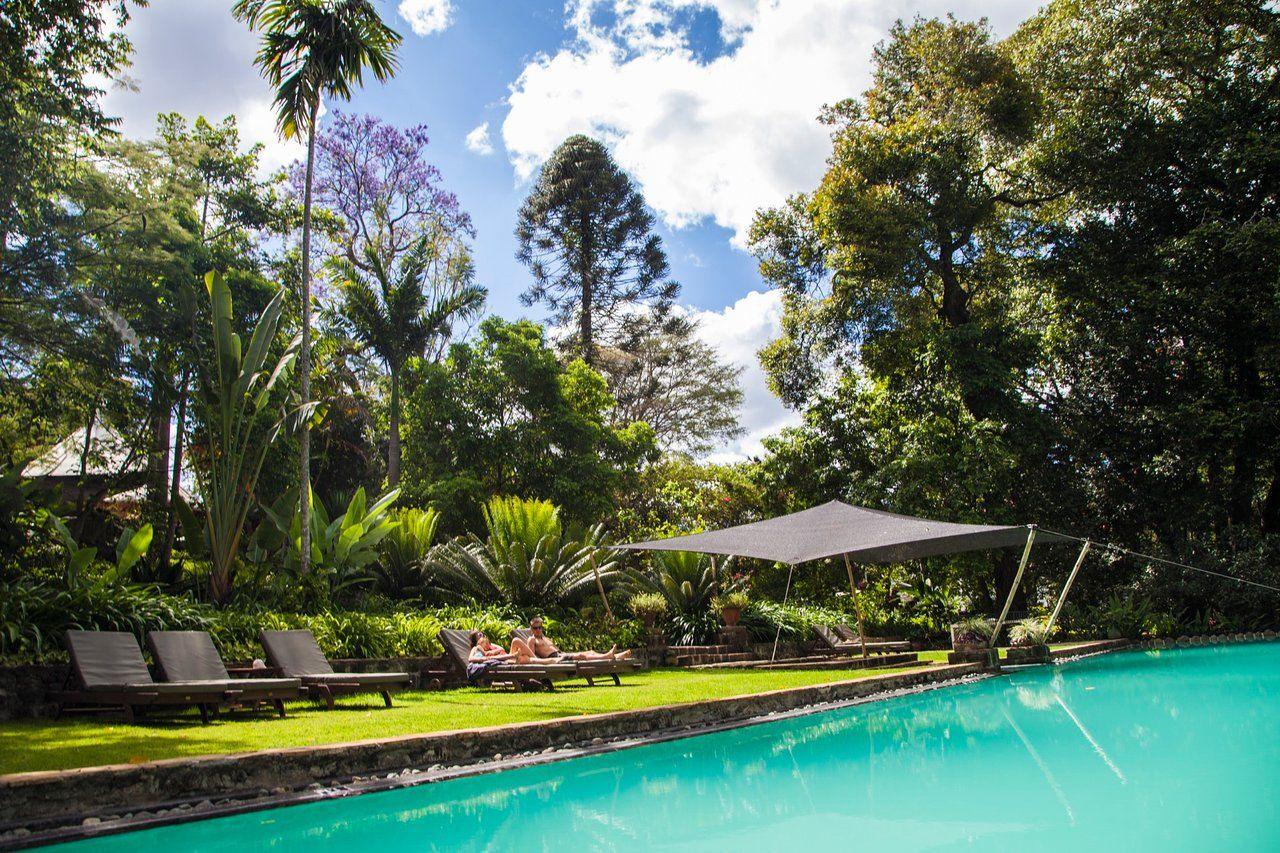
The lodge's suites are glass-fronted tents set among big rocks, each with a deck and a freestanding tub. There's a pool on the main deck with a view over the grasslands.
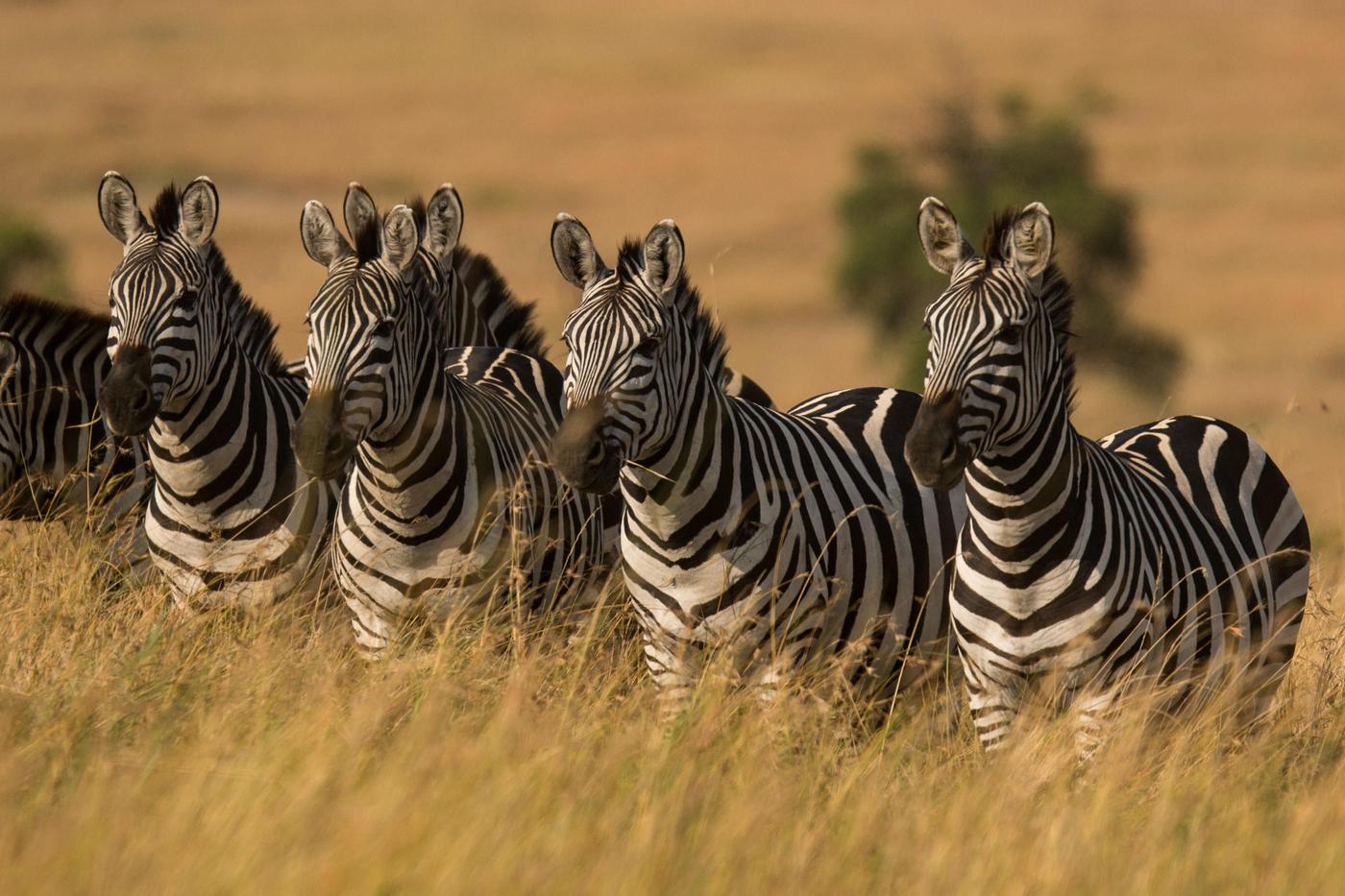
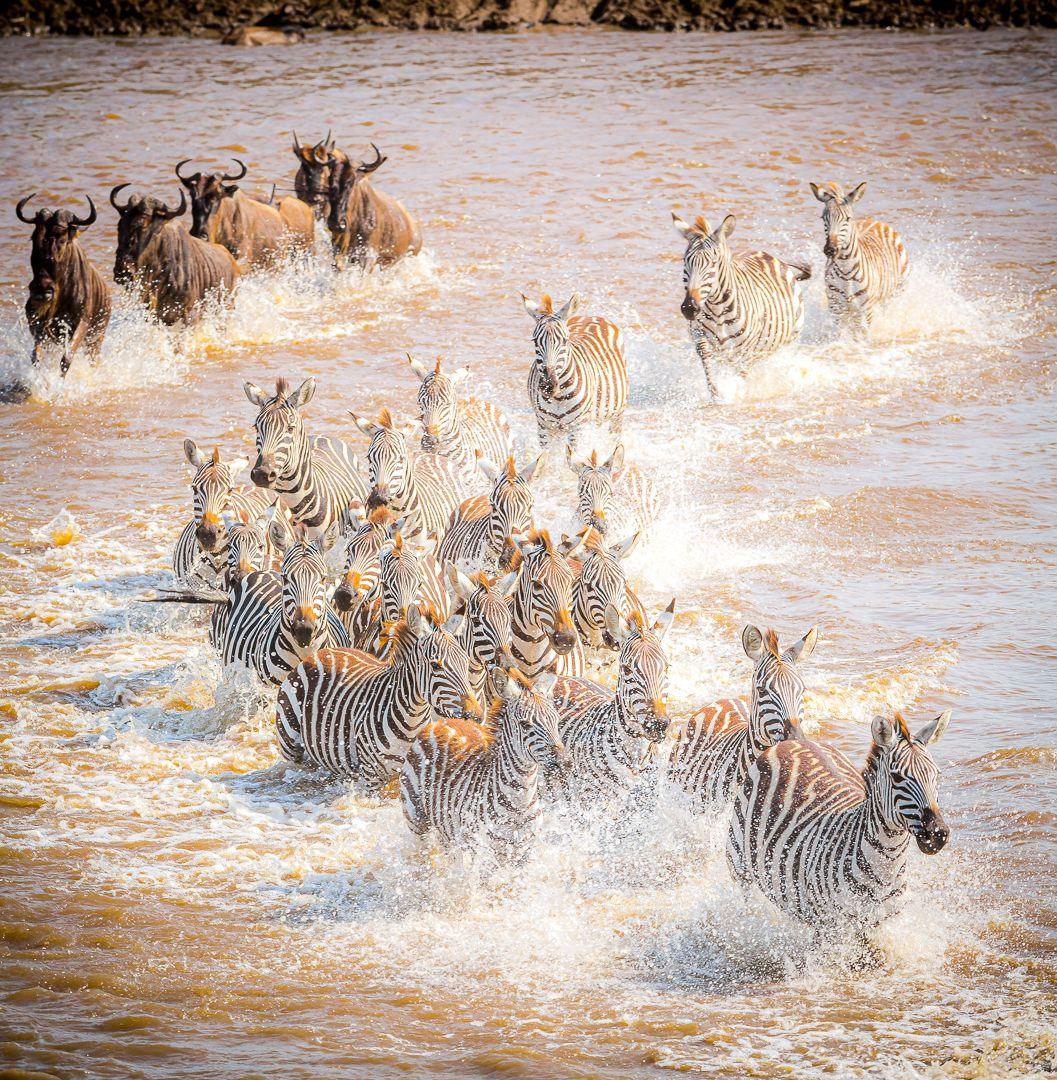
You have two full days of game drives with Lemala's guides, in open and closed Land Cruisers. The Wogakuria Hills hold animals all year, and from about July to October the migration herds come through on their way across the Mara River. A crossing is never certain, but you can stay out for the day with lunch in the bush to wait for one.
The north is one of the best areas in East Africa for leopards, which live in the rocky kopjes. We can add a hot air balloon flight over the plains or a guided walk, and in the evening there are sundowners on a kopje.
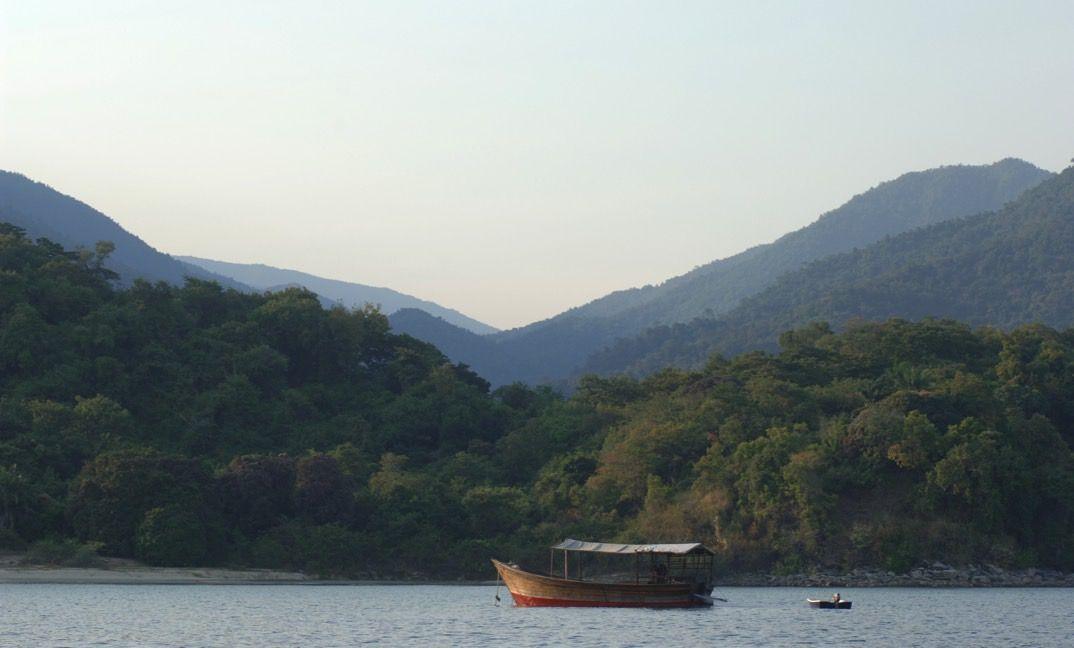
A scheduled flight takes you west across Tanzania to Mahale on the shore of Lake Tanganyika. The last hour of the trip is by boat along the lake, past fishing villages, to the camp's white beach below the Mahale Mountains.
Greystoke has eight thatched bandas made from old dhow wood, each with a deck upstairs looking over the lake. In the evening everyone eats together at one long table.
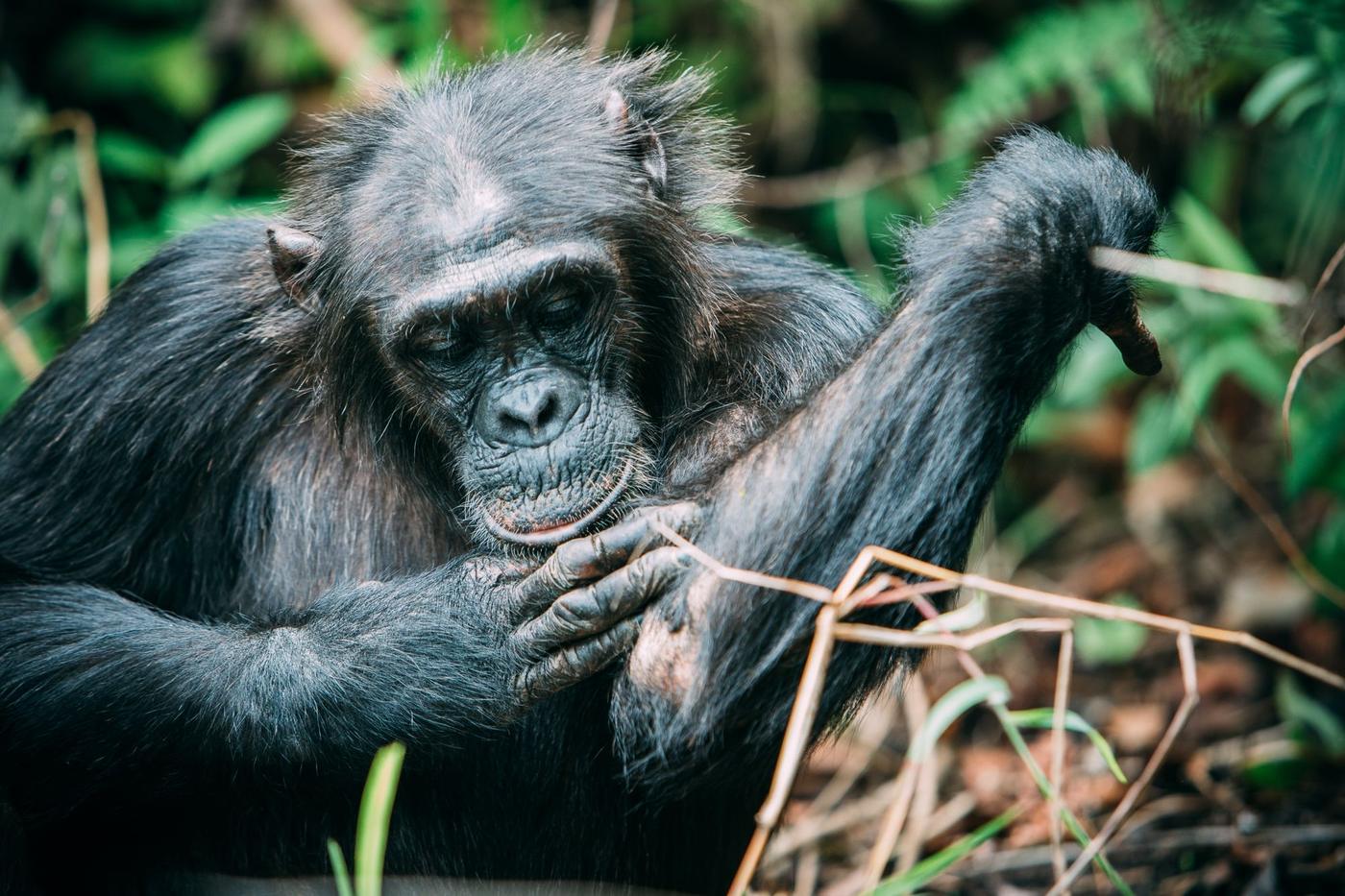
On both days you walk into the forest with the guides and trackers to find the chimpanzees, a wild group that's used to people. How long it takes depends on where they're feeding. In July and August it's usually an easy walk of about an hour and a half. Once you find them, you can watch them from a few metres away. The forest has nine other kinds of primate as well.
Back at camp you can kayak along the shore, swim off the camp's dhow at sunset or visit Katumbi, a village on the park boundary where Nomad has built classrooms for the school. Hippos come into the clear water off the beach.
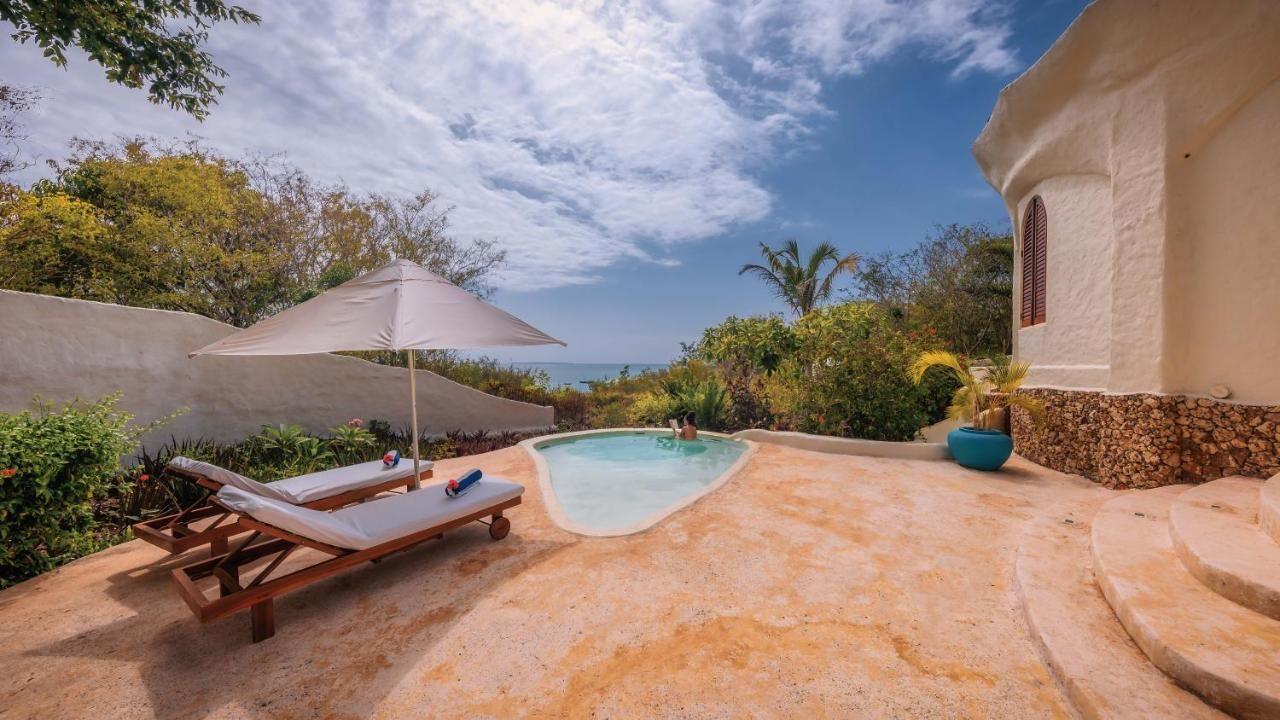
You fly from Mahale to Zanzibar on scheduled flights, and from the airport we take you to Kilindi on the island's northwest coast. The 15 white domed pavilions are spread over 50 acres of gardens above a private beach, and yours has its own plunge pool looking out to sea.
You have two days to rest on the beach or by the pool, or to get out on the water. You can snorkel, dive or kayak from the beach, and there are sunset cruises on a traditional dhow.
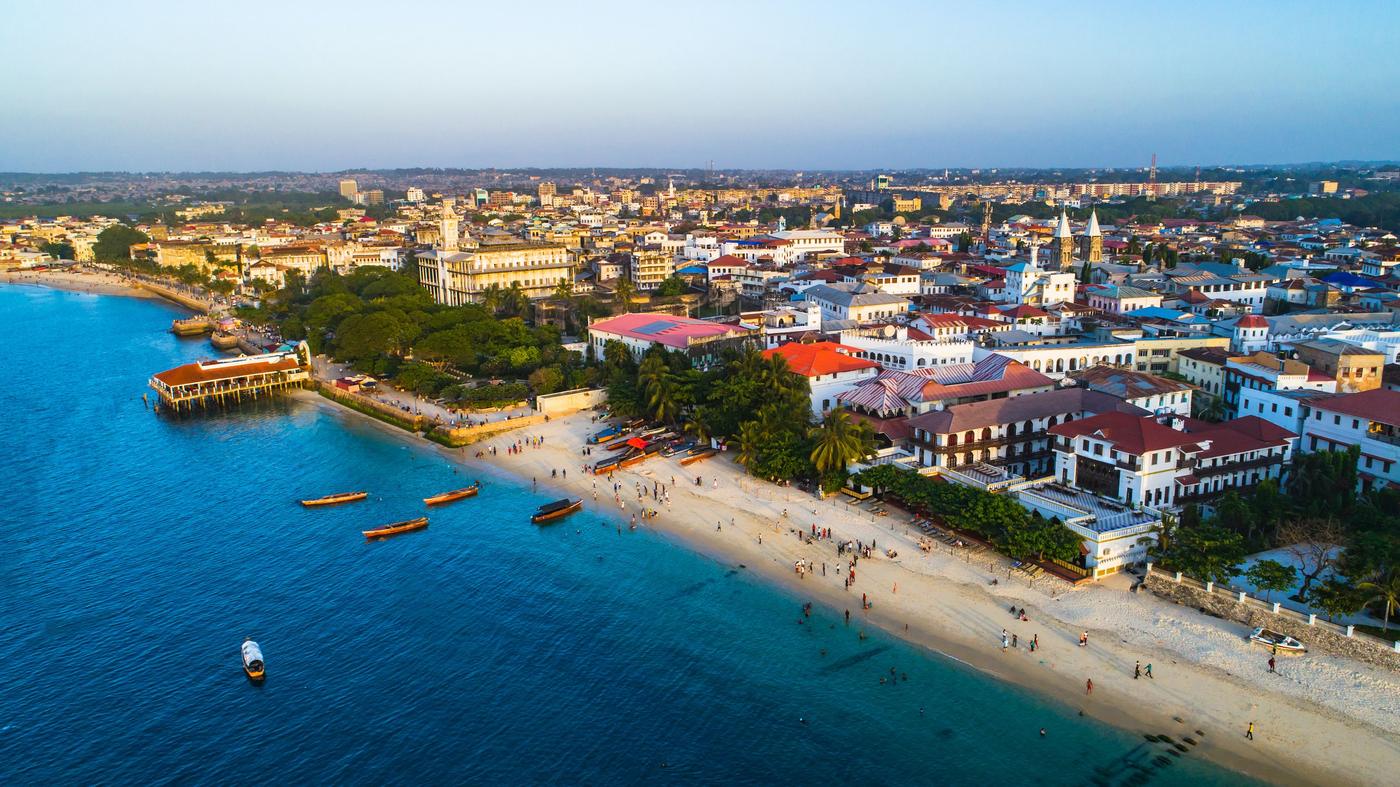
If you'd like to see more of the island, we can book a walking tour of Stone Town's narrow streets, a visit to a spice farm or a day trip to Jozani Forest. The spa has a Turkish bath if you'd rather stay put.
Seasons, rules and schedules can change, and we rely on our partners on the ground for the latest. Ask us before you plan around any of these answers and we'll double-check them.
Mahale or Gombe for chimpanzees?
Choose Mahale for a much bigger and wilder park, and Gombe if you'd like to see where Jane Goodall began her chimpanzee research in 1960. Both are on the shore of Lake Tanganyika, and you can only get into either park by boat. Gombe is tiny, at about 35 square kilometres of steep valleys near Kigoma. Mahale covers about 1,600 square kilometres of forested mountains, and there are no roads in the park at all.
Do the chimpanzees at Mahale hunt?
Yes. They live mostly on fruit and leaves, but in July and August they often hunt red colobus monkeys too, and with luck you'll see a hunt. The group you visit is the Mimikere or M group, the camp's closest neighbours, and its home range covers about 40 square kilometres.
How big is Lake Tanganyika?
It's the longest freshwater lake in the world, at about 673 kilometres from north to south. It's also the second deepest after Lake Baikal, at about 1,470 metres. At least 250 kinds of cichlid fish live in it and nowhere else. From December to March the air at Mahale is at its clearest, and you can often see the mountains of the Congo across the lake.
What can you see in Jozani Forest on Zanzibar?
Its best-known animal is the Zanzibar red colobus, a monkey that lives nowhere else in the world. A census published in 2017 counted more than 5,800 of them, and Jozani is their most important protected area. They sometimes eat charcoal, which is thought to help them cope with toxins in the young leaves they feed on.
How It Works
We Arrange All of It
Each trip idea is a starting point. We adjust the length, the pace and the hotels to suit you, then book and manage every part of it.
Flights. Booked with your points where they're worth the most, and with cash where they aren't.
Every transfer. Private drivers, boats and domestic flights between each stop, timed to your arrival.
Guides and tours. Booked for the days that suit you, private or shared.
The hotels. Booked directly with the properties we work with, with rooms matched to your group.
Support while you're away. If a flight cancels or plans change, you contact us and we sort it out.
Plan This Trip
We can add a fourth night at Greystoke for more time with the chimps, or a night in Stone Town before you fly home. Outside the migration months we can swap Lemala Kuria Hills for a camp where the herds are at that time of year.
Every trip is priced for your dates. Send us rough dates and who's travelling, and we'll come back with the full plan.