Tanzania: Tarangire, Ngorongoro and the Northern Serengeti
A first safari across northern Tanzania, with two nights in Tarangire, a day in the Ngorongoro Crater and three nights near the Mara River in the northern Serengeti.
This is a classic first safari in northern Tanzania, from the baobabs of Tarangire to the Mara River in the far north of the Serengeti. After a night outside Arusha you drive to Tarangire Treetops for two nights, then spend a full day in the Ngorongoro Crater and a night at Ngorongoro Crater Camp in the highlands. From there a short flight takes you to the northern Serengeti for three nights at Lemala Mara, a mobile camp near the river crossings.
It's planned for June to October, when Lemala Mara is open in the north, and the river crossings usually happen from about July. It suits couples, friends and anyone on a first safari.
By Next Mile Travel · Updated
The Route
Itinerary
Day by Day
Day 1
Arrive at Kilimanjaro
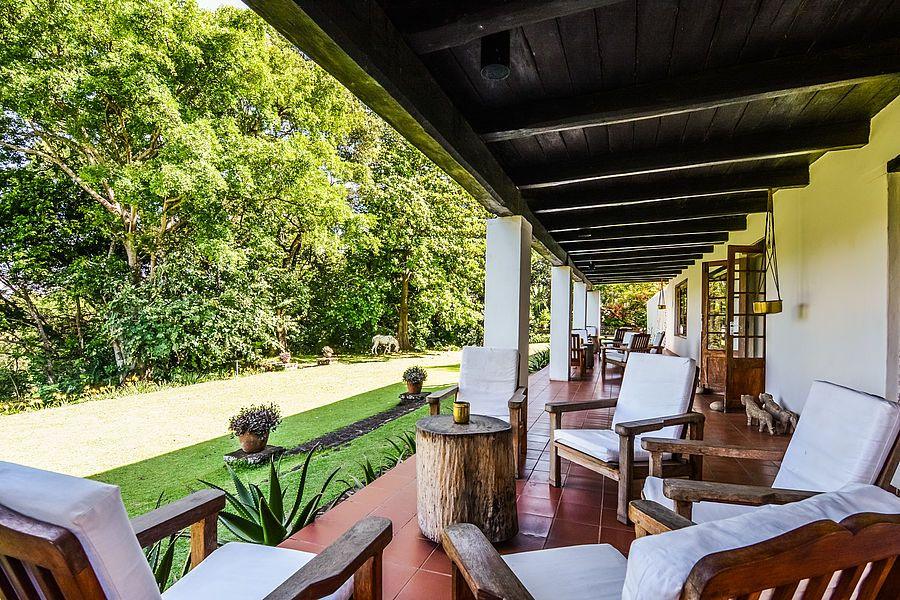
We meet you at Kilimanjaro airport (JRO) and drive you about 30 minutes to Ngare Sero Mountain Lodge, an old colonial farmhouse in the forest on the slopes of Mount Meru. If you land in daylight there's time for a walk in the gardens, where colobus monkeys live in the trees.
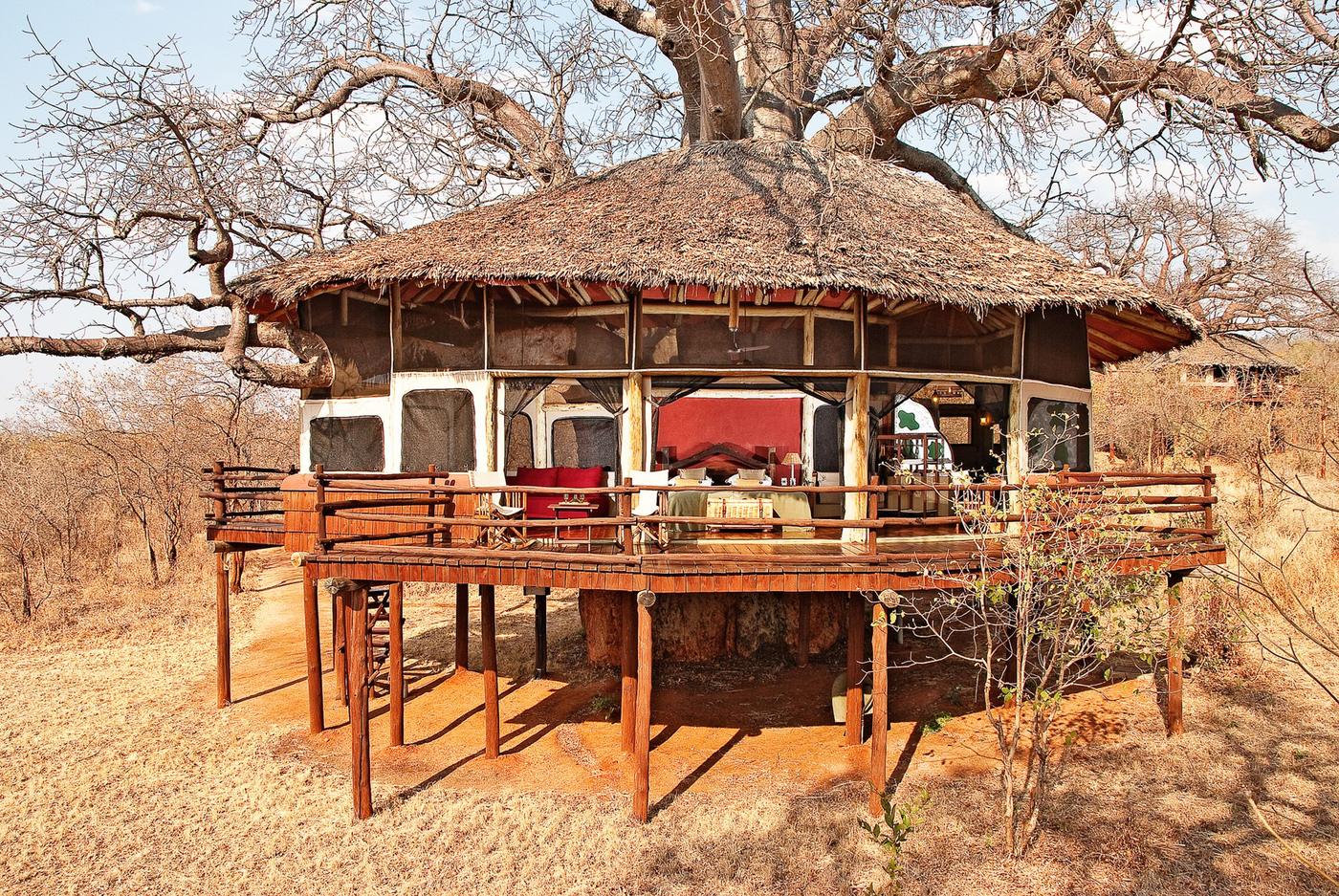
After breakfast it's a few hours' drive southwest to Tarangire Treetops, in a private wildlife area on the edge of Tarangire National Park. The rooms are raised among the baobabs like treehouses, and the pool looks over a waterhole where animals come to drink.
On the lodge's land you can go on a guided walk or a night drive to look for animals that come out after dark.
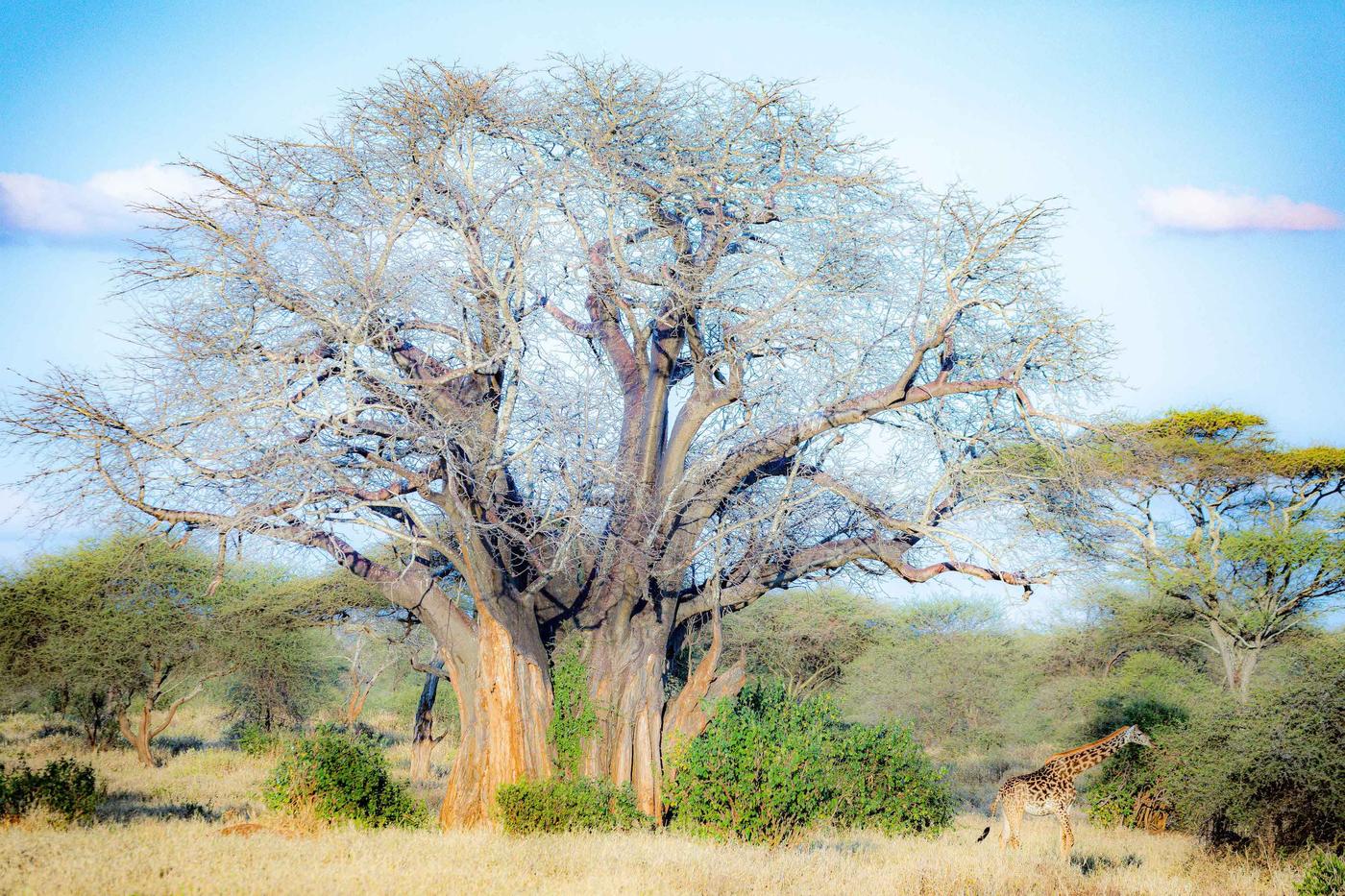
You have a full day in Tarangire, which is known for its big elephant herds and its old baobabs. The Tarangire River runs through the park all year, and in the dry season the Silale swamp draws the elephants in, with lions and the other predators following the plains animals to water.
You can go out in the morning and again in the afternoon with lunch back at the lodge, or take a picnic and go further into the park. In the evening you can have a boma dinner with Maasai dancers, or drinks on Sunset Hill.
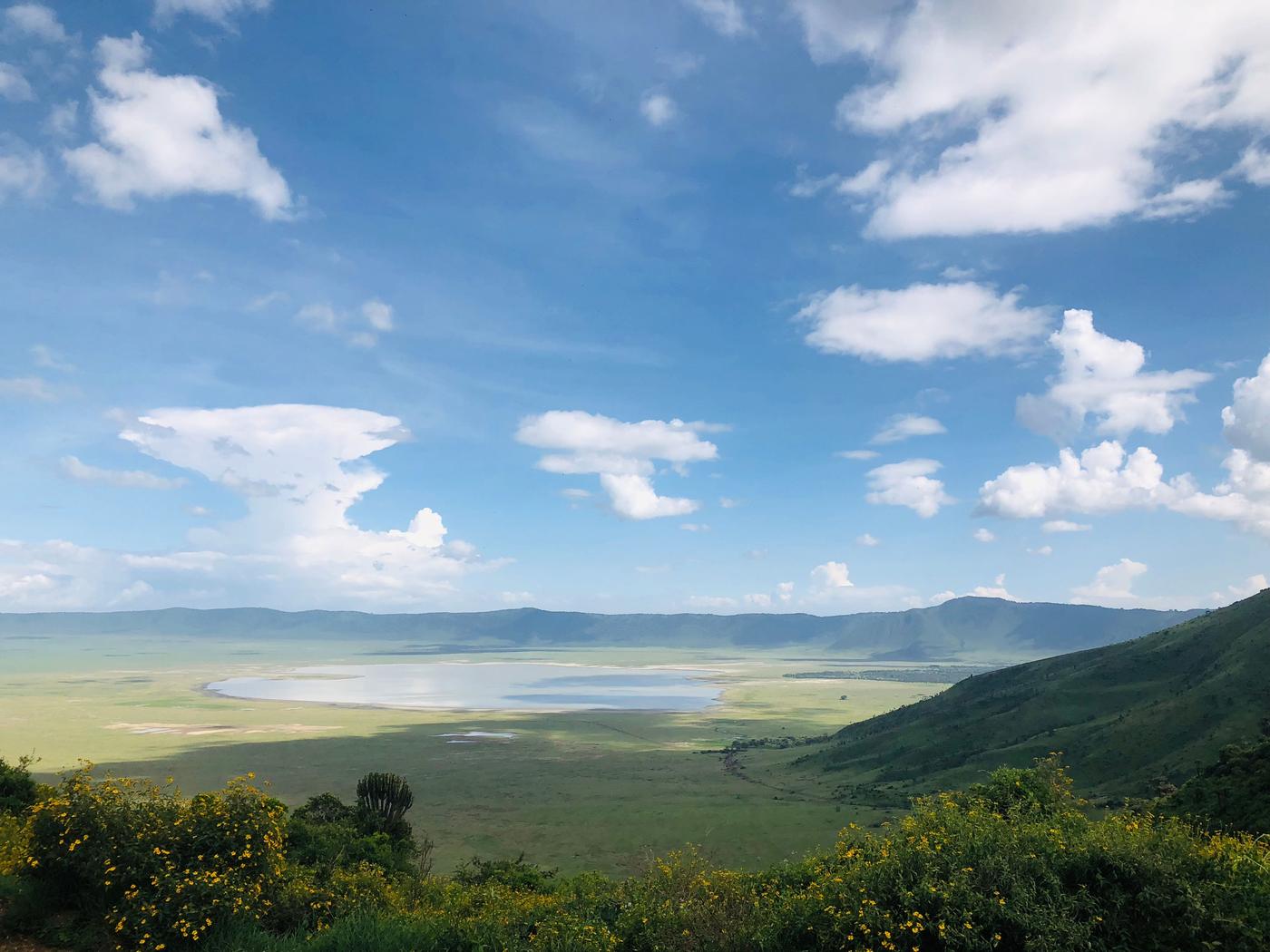
You leave Tarangire early and drive up into the Ngorongoro highlands, then down into the crater for a day of game driving with a picnic lunch on the crater floor. The crater is a volcanic caldera about 600 metres deep. Almost every kind of animal in East Africa lives inside it, including black rhino, black-maned lions and more than 100 kinds of birds.
Before dinner you drive up out of the crater to Ngorongoro Crater Camp, ten tented suites on a hillside looking out over the Serengeti plains.
After breakfast it's about two hours by road to the Lake Manyara airstrip, and from there a short scheduled flight takes you north to Kogatende. Lemala Mara is about 40 minutes' drive from the airstrip.
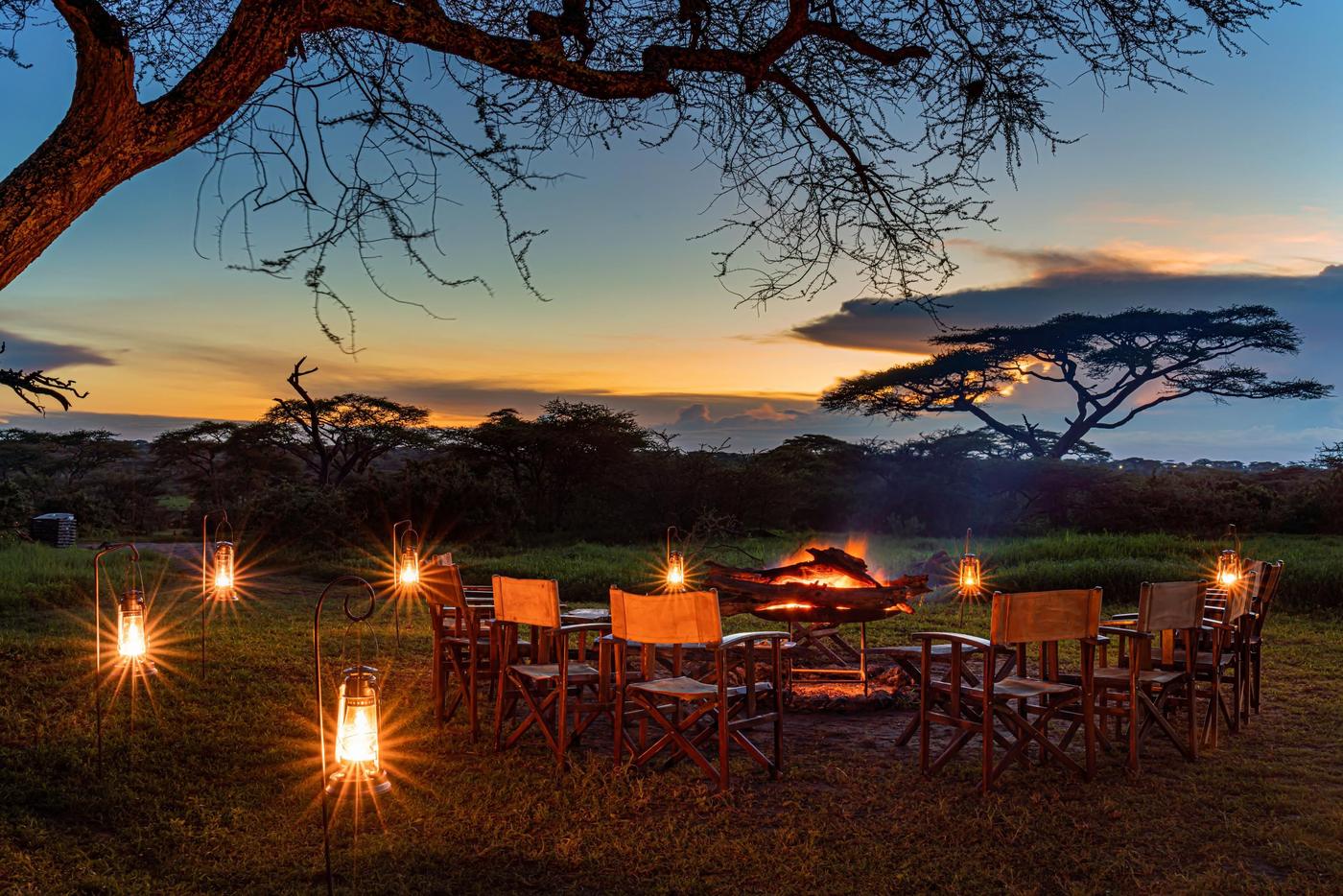
The camp is set up under shady trees for the migration season, and there are 12 tents and very few other vehicles around.
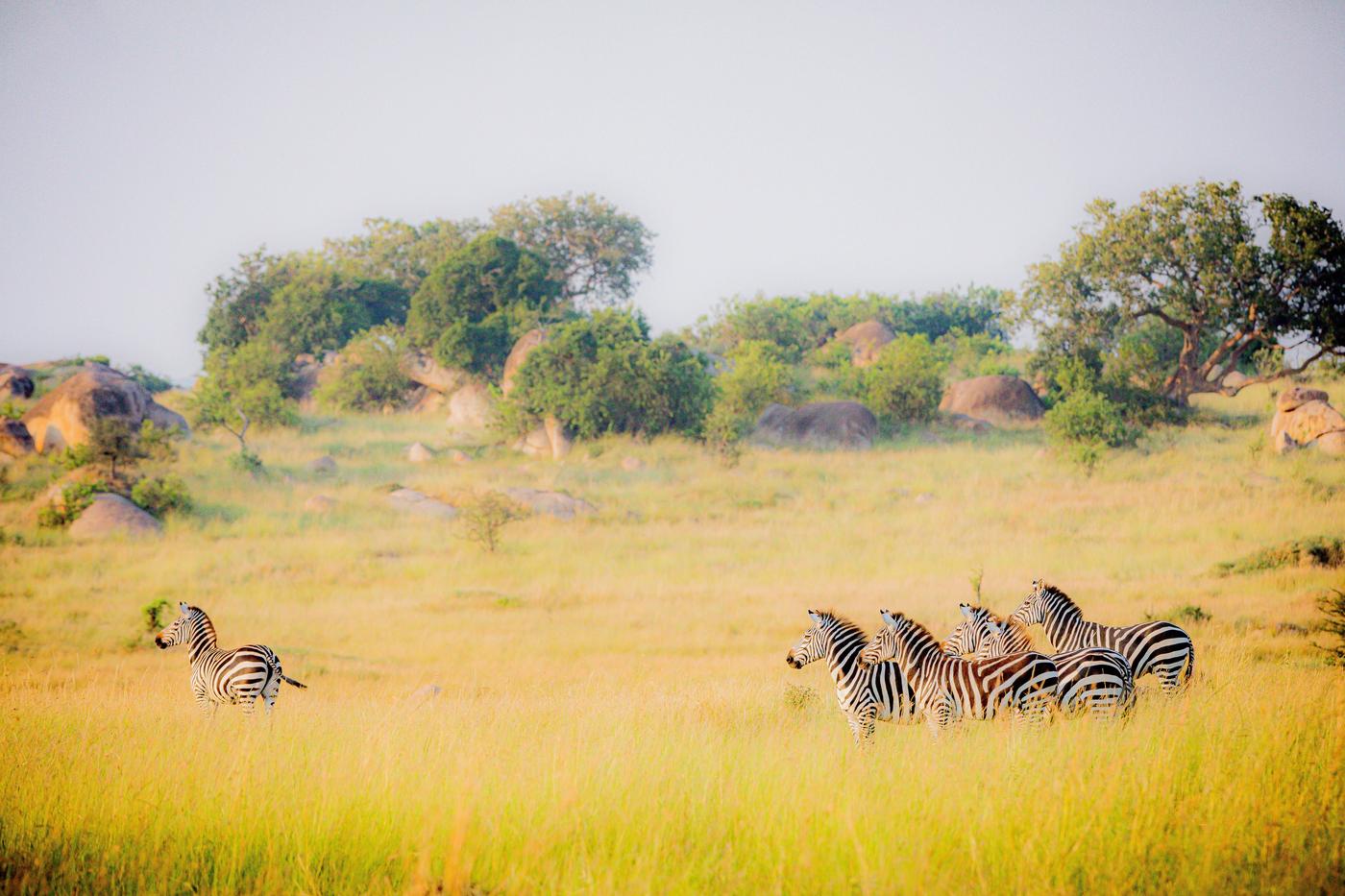
You have two full days of game drives in the northern Serengeti, where the herds gather along the Mara River from about July to October. When they cross, wildebeest and zebra plunge down the banks into the water while the crocodiles wait. A crossing is a natural event and never certain, but you can stay out on full-day drives to wait for one.
The north is also one of the best parts of East Africa for leopards, which live among the rocky kopjes. There's a chance of black rhino in some areas too. If you'd like to see the plains from the air, we can add a hot air balloon flight.
On your last day a short flight takes you from the Serengeti to Arusha (ARK). You'll have lunch and a room to freshen up in Arusha before we drive you to Kilimanjaro airport (JRO) for your flight home.
Seasons, rules and schedules can change, and we rely on our partners on the ground for the latest. Ask us before you plan around any of these answers and we'll double-check them.
How big is the Ngorongoro Crater?
The crater floor covers about 260 square kilometres. It formed two to three million years ago, when a large volcano erupted and then collapsed in on itself. It's the largest caldera in the world that's inactive, unbroken and not filled with water.
Northern Serengeti or the Maasai Mara for the river crossings?
Choose the northern Serengeti if you'd like fewer vehicles around you. The herds cross the same river on both sides of the border, usually from about July to October. The Maasai Mara is about a tenth of the Serengeti's size, and by 2016 there were nearly 200 lodges and camps in the Mara area. The Tanzanian side gets fewer visitors.
Does Tarangire have its own migration?
Yes, Tarangire has a smaller migration of its own. In the wet season the zebra and wildebeest spread out across the plains around the park to calve. When the dry season comes, thousands of animals move back into Tarangire, where the Tarangire River is the main source of water.
What is Olduvai Gorge?
It's one of the most important places in the world for early human fossils, on the eastern Serengeti plains inside the Ngorongoro Conservation Area. Mary Leakey found the skull of Paranthropus boisei there in 1959, and in 1960 her son Jonathan found the jaw that defined Homo habilis. The gorge is about 48 kilometres long, and its name comes from the Maasai word for the wild sisal that grows there.
How It Works
We Arrange All of It
Each trip idea is a starting point. We adjust the length, the pace and the hotels to suit you, then book and manage every part of it.
Flights. Booked with your points where they're worth the most, and with cash where they aren't.
Every transfer. Private drivers, boats and domestic flights between each stop, timed to your arrival.
Guides and tours. Booked for the days that suit you, private or shared.
The hotels. Booked directly with the properties we work with, with rooms matched to your group.
Support while you're away. If a flight cancels or plans change, you contact us and we sort it out.
Plan This Trip
We can add a second night at Ngorongoro Crater Camp for Olduvai Gorge, the Shifting Sands and Nasera Rock, or a fourth night at Lemala Mara for more time at the river. From January to March the herds calve on the Ndutu plains in the south, and we can plan the trip around that instead.
Every trip is priced for your dates. Send us rough dates and who's travelling, and we'll come back with the full plan.