Tanzania: Climbing Kilimanjaro on the Lemosho Route
An eight-day climb of Kilimanjaro on the Lemosho Route with private camps and your own chef, with a night at Siringit Villa near Arusha before and after.
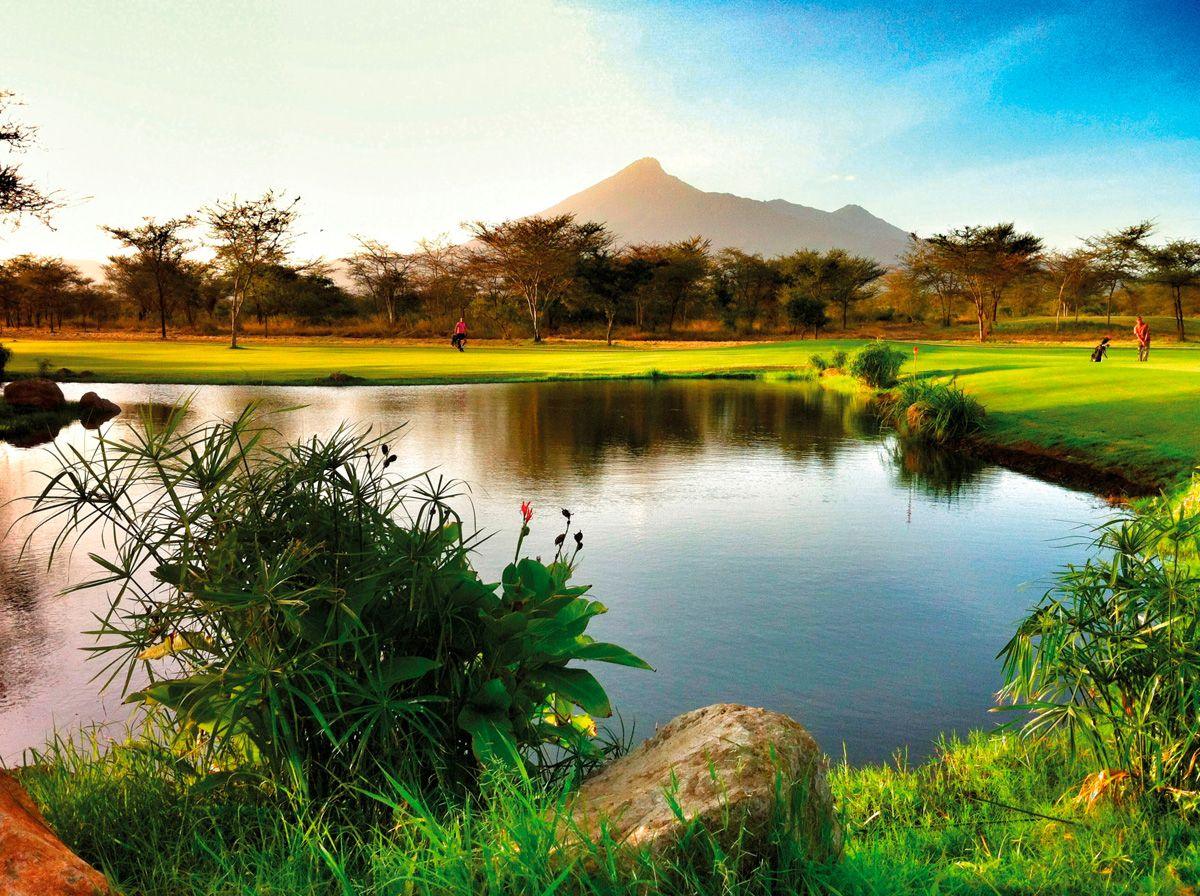
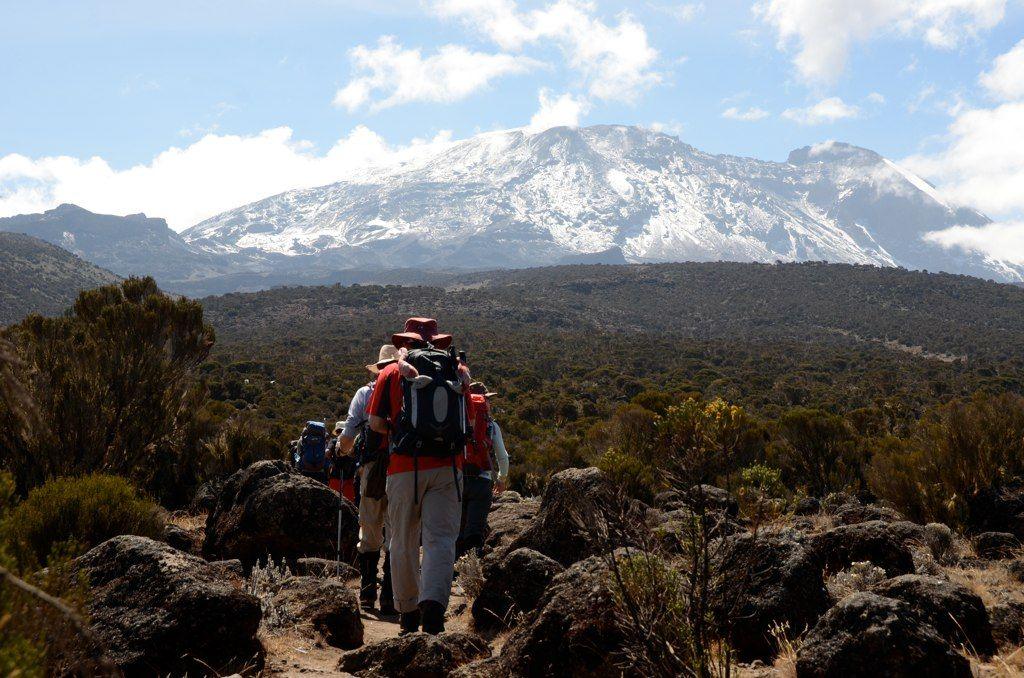
This is an eight-day climb of Kilimanjaro, Africa's highest mountain at 5,895 metres, on the Lemosho Route. You start in the forest on the western side of the mountain, cross the Shira Plateau and pass Lava Tower and the Barranco Valley on the way round to the south side. From Barafu Camp you go for the summit at night, reaching Uhuru Peak by way of Stella Point, and you come down the Mweka Route. You sleep at Siringit Villa on a golf estate near Arusha the night before and the night after the climb.
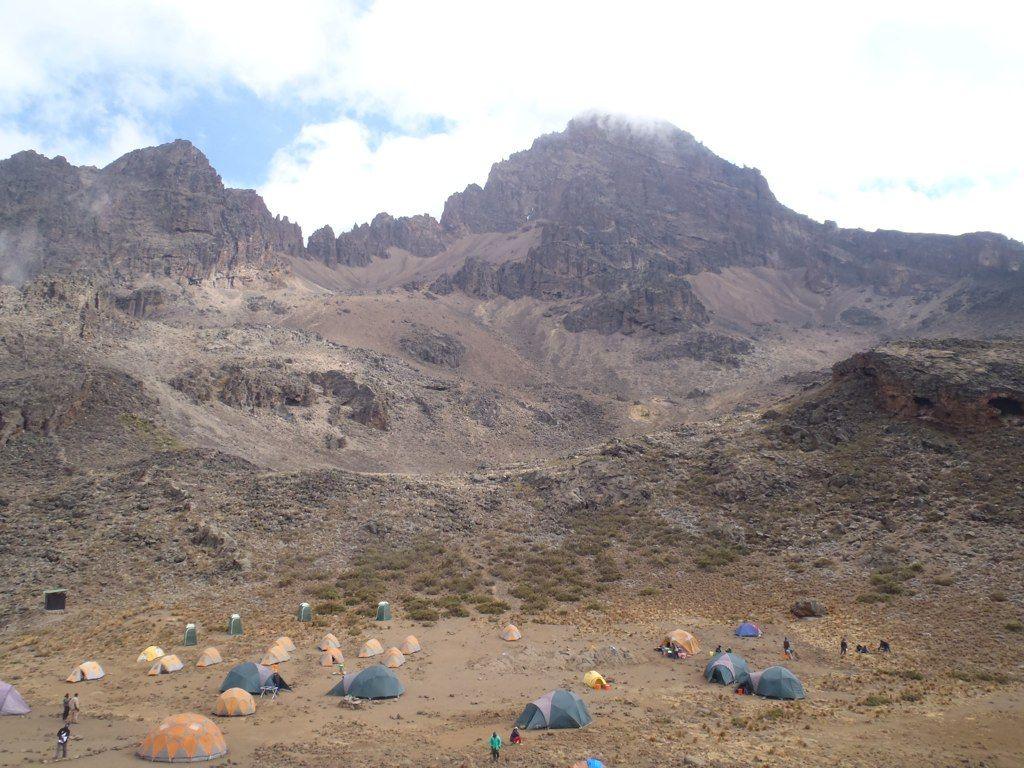
On the mountain you have your own private camp, with a walk-in tent and a raised camp bed for each guest, and a private chef who cooks for you. The Lemosho Route climbs slowly, which gives your body more time to get used to the altitude. The summit day goes up by Stella Point rather than the Western Breach, which makes it the safer way up. It suits fit hikers, couples and friends who want to climb Kilimanjaro in comfort.
By Next Mile Travel · Updated
The Route
Itinerary
Day by Day
Day 1
Arrive at Kilimanjaro
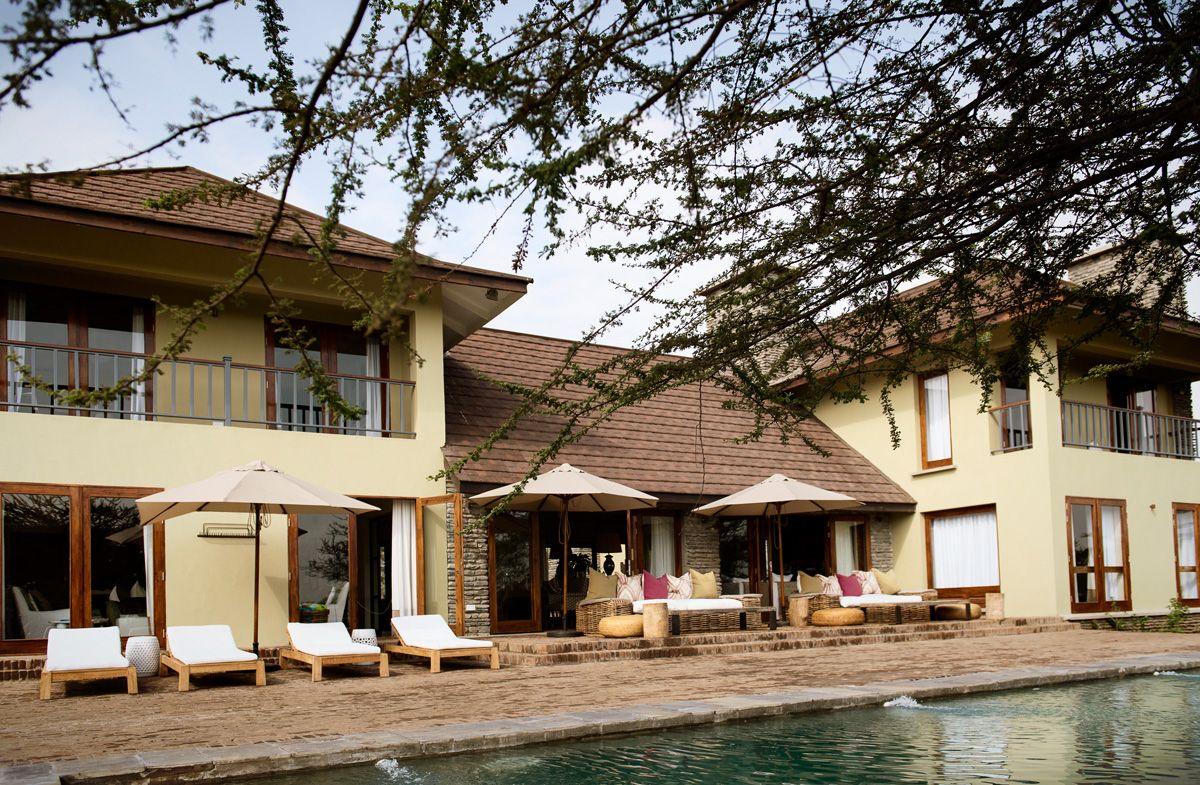
We meet you at Kilimanjaro airport (JRO) and drive you about 30 minutes to Siringit Villa, on the Kilimanjaro Golf and Wildlife Estate near Usa River. The villa sits on the fifth fairway with Mount Meru behind it. You have the afternoon free by the lap pool before the climb starts the next day.
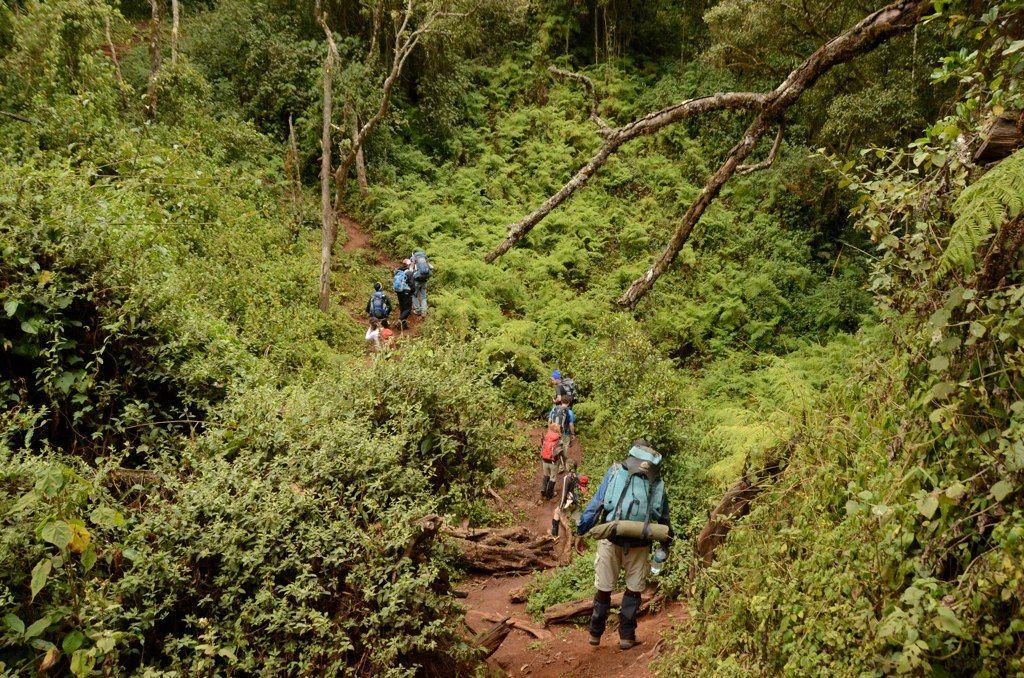
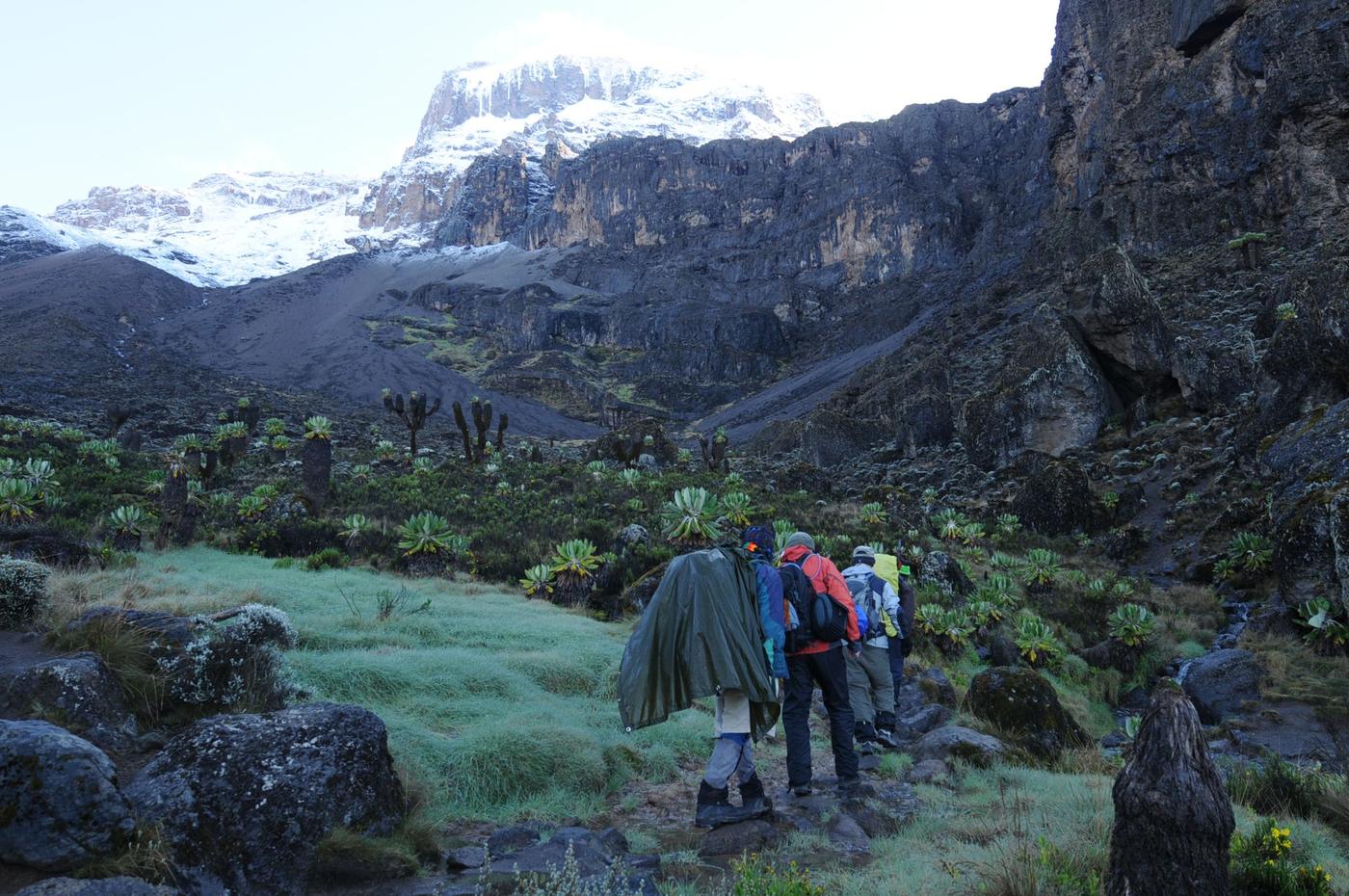
After breakfast you drive to the start of the Lemosho trail on the western side of the mountain. The first walk is about 5 kilometres at an easy pace through mountain forest, with lunch along the trail, and you reach Forest Camp at about 2,860 metres in the middle of the afternoon.
The trail climbs through podocarpus and juniper forest and out onto open heath at the edge of the Shira Plateau. It's about 7 kilometres and seven hours on foot, with lunch on the way, and you reach Shira 1 Camp at about 3,560 metres in the afternoon.
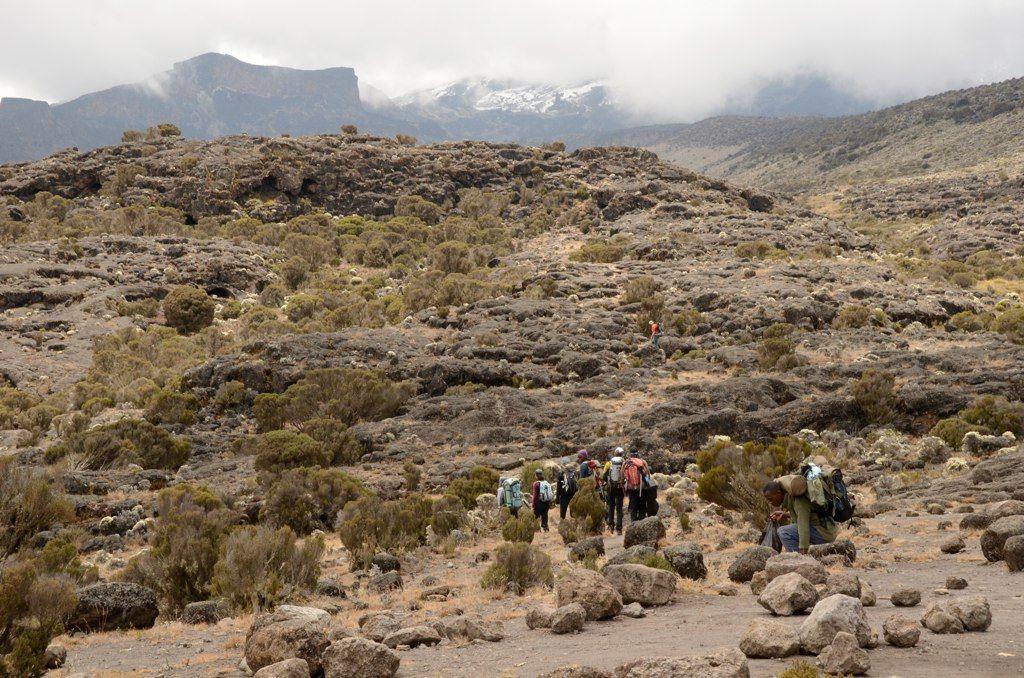
Today you cross the Shira Plateau, one of the most beautiful parts of the climb. It's about three to four hours to lunch, then a climb to Moir Hut Camp at about 4,100 metres. The whole day is about 9 kilometres. If you still have energy, you can go for a walk in the late afternoon.
Today you walk high and sleep low, which helps your body get used to the altitude. You climb into the alpine desert, and if you're feeling strong you go up to Lava Tower at about 4,600 metres before dropping down to Barranco Camp. It's a long day of about 10 kilometres and eight hours, with a picnic lunch on the way.
The day starts with the Barranco Wall, and after that it's a shorter walk to Karanga Camp at about 4,200 metres. It's about 5 kilometres and four hours in all, and you arrive in the late afternoon. The sunsets here are especially good, with views of the glaciers and ice fields about 1,000 metres above you.
A short walk of about 4 kilometres and three hours takes you up to Barafu Camp at about 4,600 metres. Lunch is in camp, and the afternoon is for resting before the summit. It's bare alpine desert up here and can be windy, but in the evening there are good views of Mawenzi peak. Dinner is early so you can sleep for a few hours.
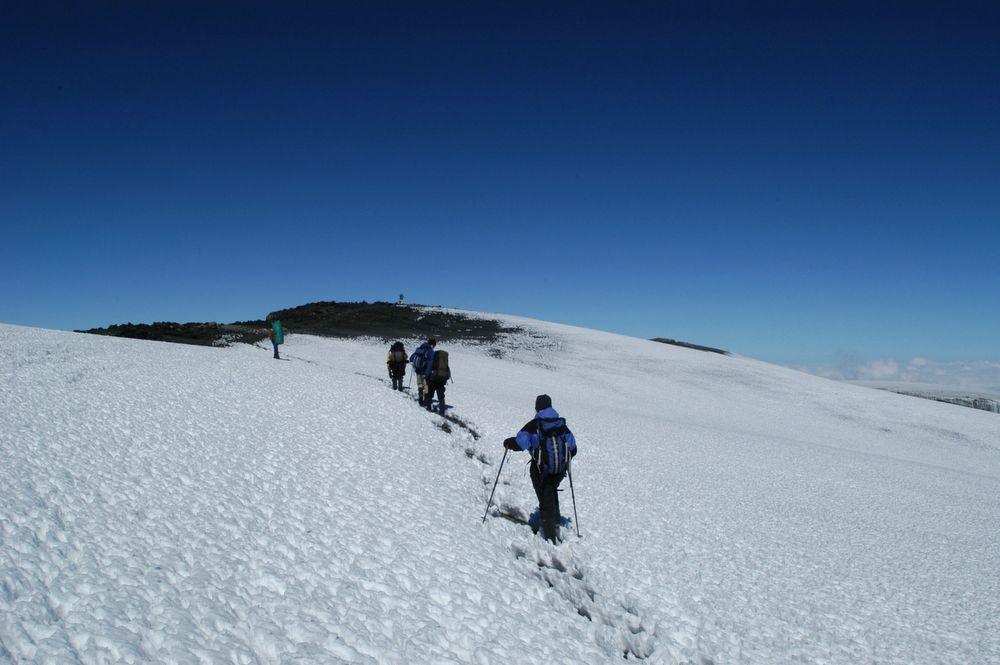
You set off just before midnight and climb slowly through the night towards the crater rim, which most people reach near dawn at Stella Point. From there it's a relatively short walk along the rim to Uhuru Peak, at 5,895 metres the highest point in Africa.
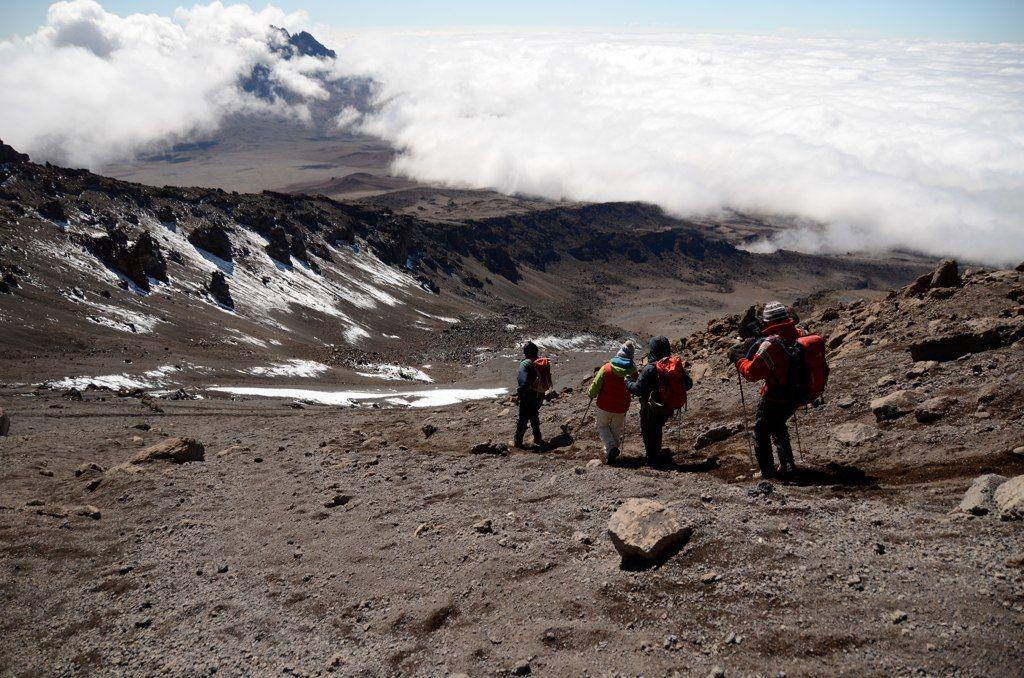
Then you come back down to Mweka Camp, which you reach before dark. It's the longest day of the climb at about 12 kilometres and 12 hours. Patience and a slow pace are what get most people to the top.
After breakfast you walk down through the forest, about 12 kilometres and five hours, dropping almost 2,000 metres. Around midday you say goodbye to your crew, and we drive you back to Siringit Villa for a hot shower and a celebration dinner.
Seasons, rules and schedules can change, and we rely on our partners on the ground for the latest. Ask us before you plan around any of these answers and we'll double-check them.
Lemosho or Machame: which Kilimanjaro route is better?
Lemosho is the better route if you have an extra day. It starts at Londorossi Gate on the far western side, and its first days in the forest and on the Shira Plateau see far fewer people than Machame. The two routes meet near Lava Tower and share the rest of the way up. Machame is the second most popular route on the mountain and usually takes six or seven days, while most people take seven or eight on Lemosho.
Are there still glaciers on Kilimanjaro?
Yes, but there's much less ice than there was. Almost 85 per cent of Kilimanjaro's ice disappeared between 1912 and 2011, from about 11 square kilometres to under two. Most of what's left is expected to be gone by about 2040, and it's very unlikely any will remain after 2060.
How cold is it at the top of Kilimanjaro?
The average temperature at the summit is about minus 7°C. The sleeping bags at the mountain camps are good to minus 18°C, with a soft liner and a Maasai blanket.
How It Works
We Arrange All of It
Each trip idea is a starting point. We adjust the length, the pace and the hotels to suit you, then book and manage every part of it.
Flights. Booked with your points where they're worth the most, and with cash where they aren't.
Every transfer. Private drivers, boats and domestic flights between each stop, timed to your arrival.
Guides and tours. Booked for the days that suit you, private or shared.
The hotels. Booked directly with the properties we work with, with rooms matched to your group.
Support while you're away. If a flight cancels or plans change, you contact us and we sort it out.
Plan This Trip
We can add a night at Siringit Villa before the climb to rest after the flight, or follow the climb with a few days on safari or on the beach in Zanzibar. The same crew climbs other routes too, so we can fit the length to your time and fitness.
Every trip is priced for your dates. Send us rough dates and who's travelling, and we'll come back with the full plan.