Two bike rides through the villages and farmland around Tarangire and Lake Manyara, then the Ngorongoro Crater and three nights at a mobile camp in the northern Serengeti.
This trip mixes a safari with two days on a bike. You ride through villages and Maasai communities at the edge of Tarangire, and later along the Rift Valley to Lake Manyara. Each ride ends with a game drive through a national park. In between you have a full day in Tarangire, and after the second ride you spend two nights at Gibb's Farm with a day in the Ngorongoro Crater. The trip ends with three nights at Esirai, a small mobile camp in the northern Serengeti.
The rides are about 25 and 32 kilometres, and the crew sets up lunch along the way. You don't need to be a serious cyclist, but you should be happy on a bike for three to five hours. It suits active couples and friends, and it's best from June to October, when the camp is in the north.
By Next Mile Travel · Updated
The Route
Itinerary
Day by Day
Day 1
Arrive at Kilimanjaro
We meet you at Kilimanjaro airport (JRO) and drive you about 30 minutes to Ngare Sero Mountain Lodge, an old farmhouse in the forest on the slopes of Mount Meru. It's a quiet place to rest after the flight before the first ride.
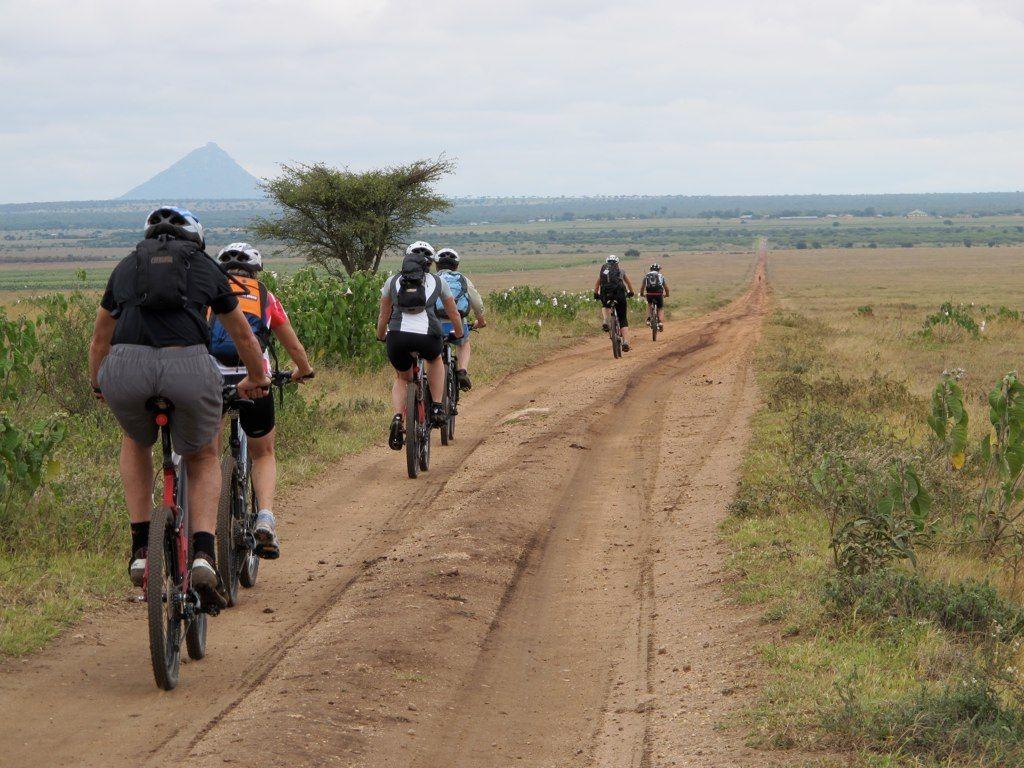
After breakfast you drive about an hour and a half to the junction at Makuyuni, where you get on the bikes. The ride is about 25 kilometres and takes about three hours, through villages and Maasai communities on the land that borders Tarangire National Park. Lunch is set up for you in the shade of an acacia.
After lunch you can ride further if you'd like, and then a game drive takes you through the park to Tarangire Treetops in time for dinner.
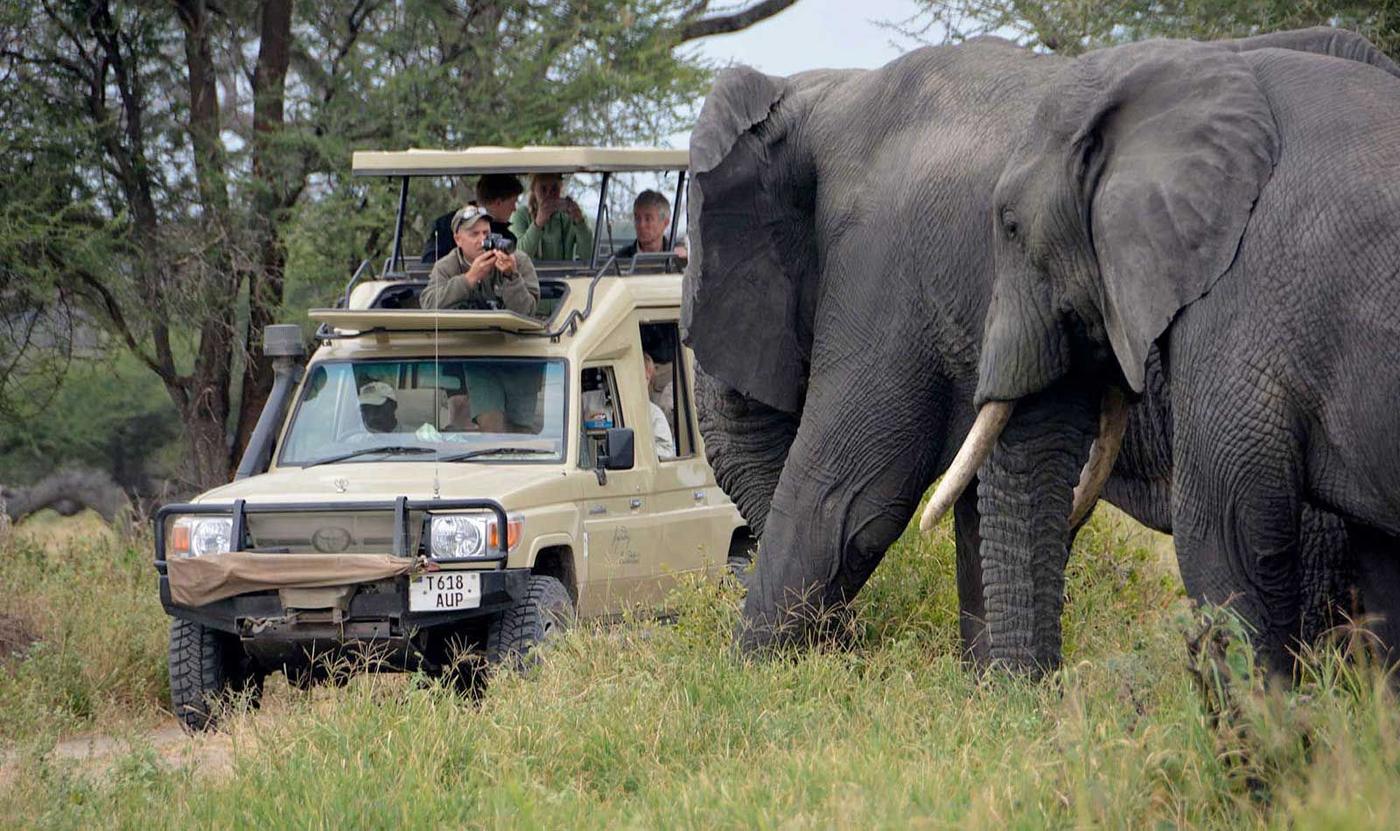
You spend a full day on game drives in Tarangire, the park known for its elephant herds and old baobabs. You can go out in the morning and again in the afternoon with lunch back at the lodge, or take a picnic and go further in.
Back at the lodge you can go on a guided walk or a night drive on the lodge's land, or have a boma dinner with Maasai dancers.
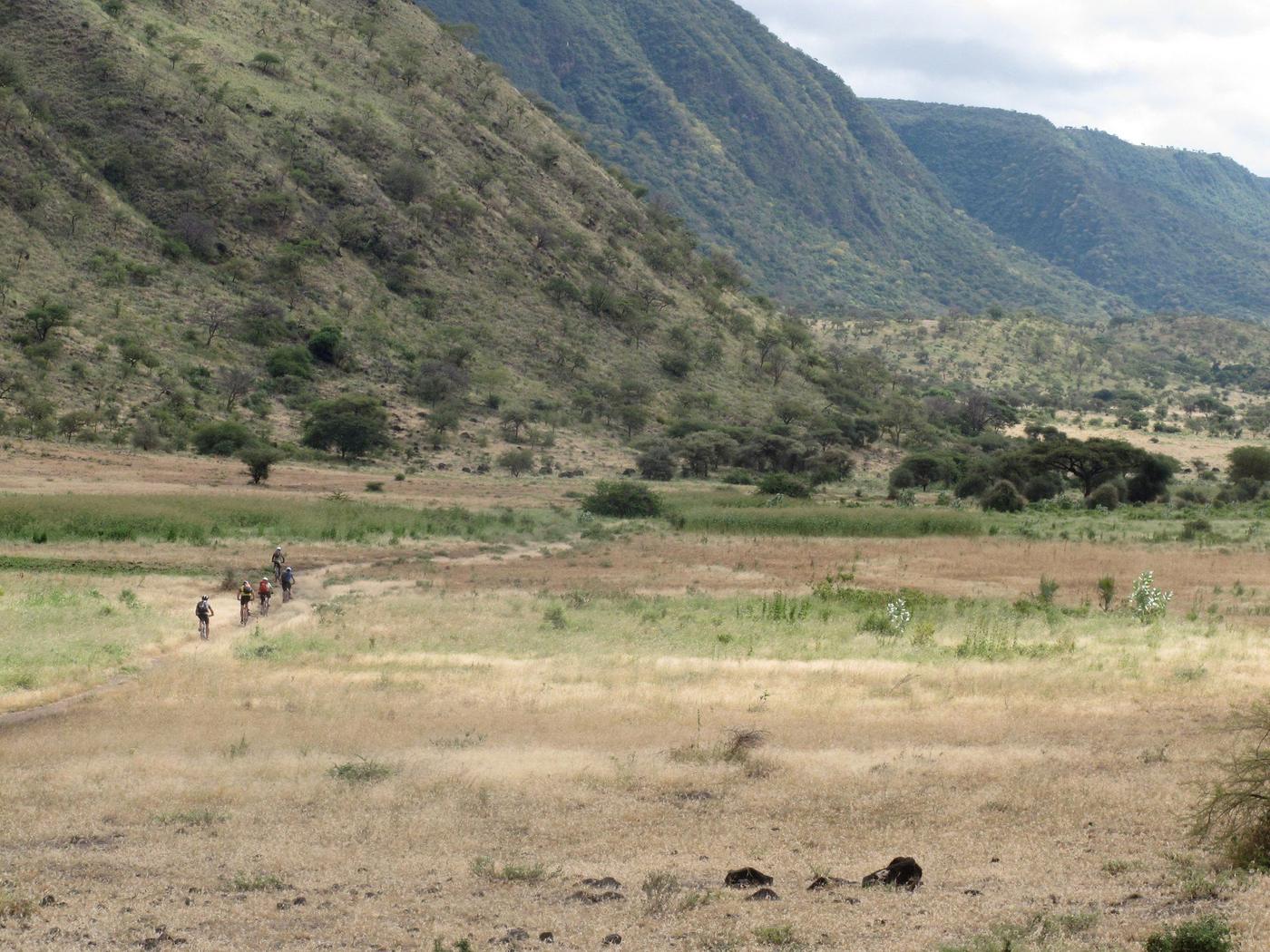
Mid-morning you get back on the bikes for a ride through farmland and villages below the wall of the Great Rift Valley. Streams run down from the forests of the Ngorongoro highlands, and the farms here use them all year. Lunch is at a spot with a view, and after lunch you ride on to the southern end of Lake Manyara. The ride is about 32 kilometres, and it takes about five hours with lunch.
At the lake you leave the bikes and go on a game drive through Lake Manyara National Park, then up to Gibb's Farm in time for a shower and dinner.
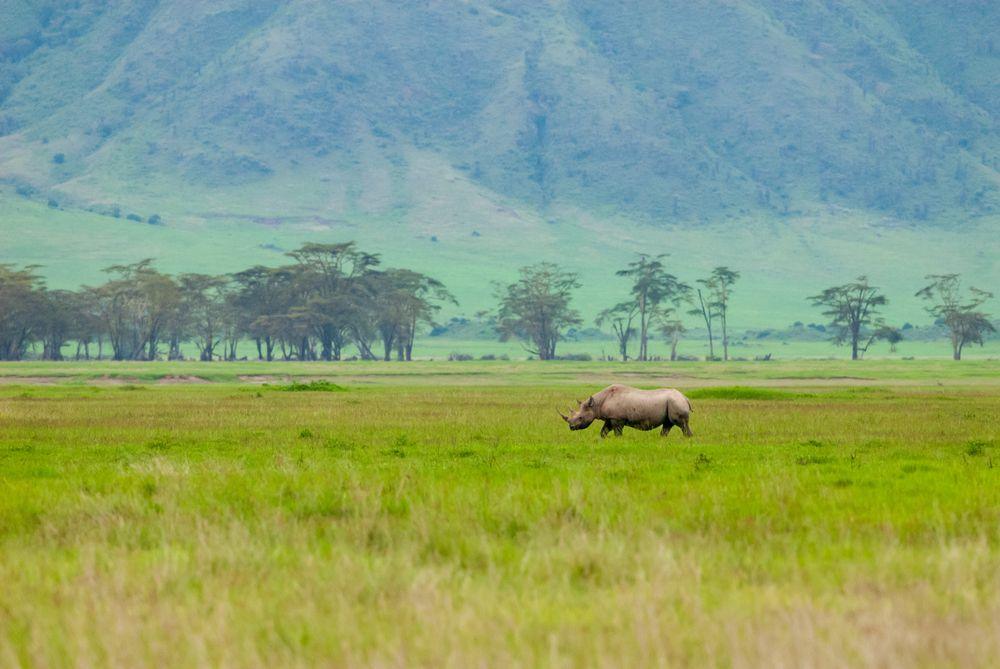
The crater is about 20 kilometres from the farm. You drive down into it after an early breakfast for a day of game viewing, with a picnic lunch on the crater floor. Almost every kind of animal in East Africa lives in the crater, including black rhino, black-maned lions and more than 100 kinds of birds.
You're back at Gibb's Farm for dinner. If you'd rather have a quieter day, the farm has plenty to do, from coffee picking and baking to a hike to the Elephant Caves.
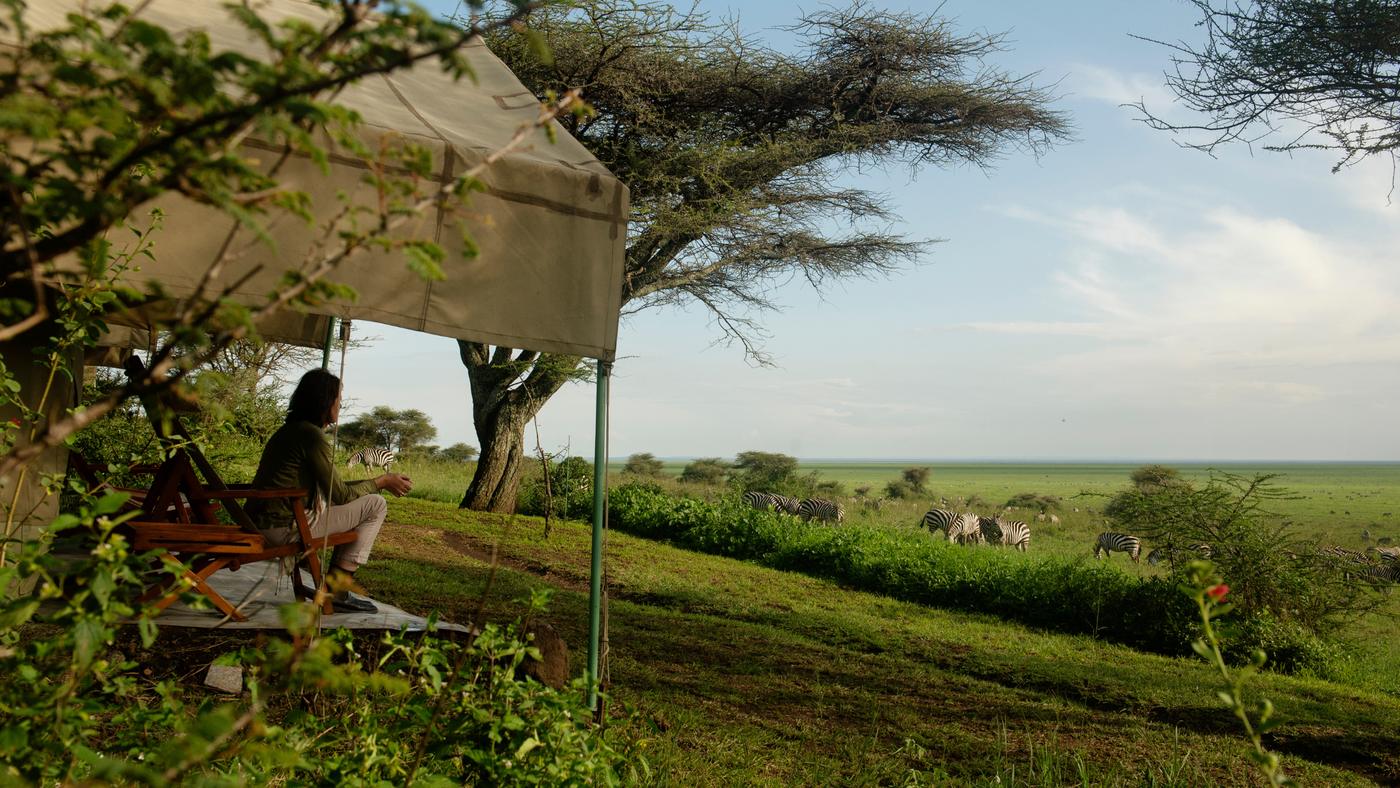
You drive to the Lake Manyara airstrip for a short scheduled flight north to the Serengeti. Esirai Camp is a small mobile camp of eight tents that moves with the Great Migration, and from June to October it's set up near Kogatende in the far north. Evenings start with drinks around the fire, and then everyone eats together at one table.
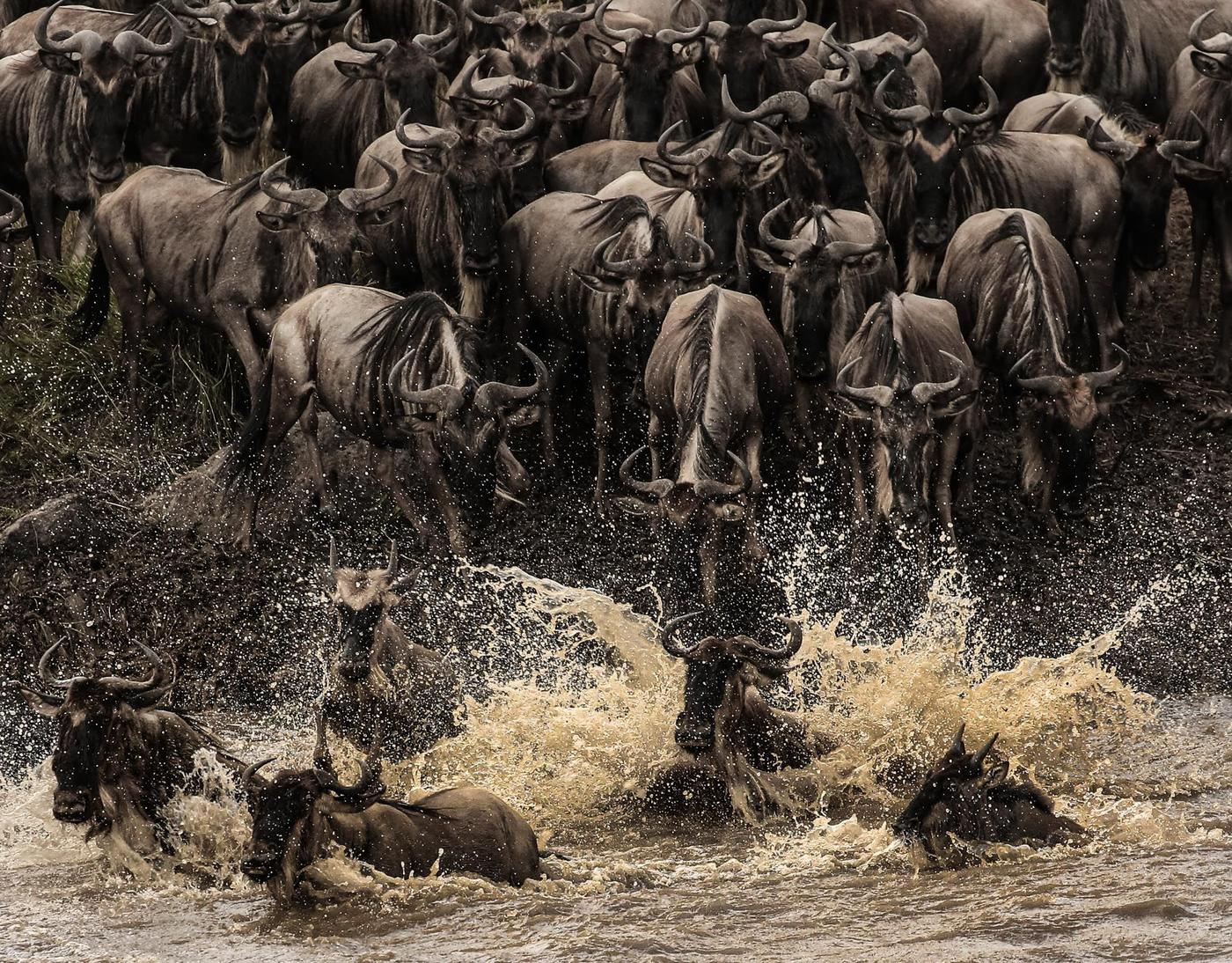
You have two full days in the northern Serengeti, with game drives twice a day. From about July to October the herds are all over these plains, and if you're lucky you'll see them cross the Mara River while the crocodiles wait. Lions, leopards and cheetahs follow the herds, and you'll often see elephants and giraffes too.
In the north you can also go on guided walks if you're 12 or over, and we can add a hot air balloon flight over the herds.
A short flight takes you from the Serengeti to Arusha (ARK). You'll have lunch and a room to freshen up in Arusha before we drive you to Kilimanjaro airport (JRO) for your flight home.
Seasons, rules and schedules can change, and we rely on our partners on the ground for the latest. Ask us before you plan around any of these answers and we'll double-check them.
What are the Elephant Caves at Gibb's Farm?
They're caves that elephants have made by digging into the hillside to eat the soil, which is rich in nutrients. It's a two-hour hike from Gibb's Farm through the forest of the Ngorongoro Conservation Area, and you pass a waterfall on the way. Buffalo, bushbuck, waterbuck and baboons come for the soil too.
Are there giraffes in the Ngorongoro Crater?
No. Giraffe, impala and topi are all missing from the crater, and there are no crocodiles either. It does have black rhino, and there were about 55 of them in 2018, up from just 13 in 1993.
What is Lake Manyara National Park like?
It lies between the western wall of the Rift Valley and Lake Manyara, a shallow alkaline lake at 960 metres. The wall rises steeply to between about 1,200 and 1,800 metres. The lake has no outlet, so its size changes a lot and it has sometimes dried up completely. In the wet season thousands of flamingos feed along its edge.
Can you see the migration in the northern Serengeti in June?
Usually not, since the herds tend to reach the far north in July. In June they're often still spread out in long lines heading north, with the front-runners around the Mbalageti River in the western Serengeti. If the river crossings matter most to you, it's better to go from July.
How It Works
We Arrange All of It
Each trip idea is a starting point. We adjust the length, the pace and the hotels to suit you, then book and manage every part of it.
Flights. Booked with your points where they're worth the most, and with cash where they aren't.
Every transfer. Private drivers, boats and domestic flights between each stop, timed to your arrival.
Guides and tours. Booked for the days that suit you, private or shared.
The hotels. Booked directly with the properties we work with, with rooms matched to your group.
Support while you're away. If a flight cancels or plans change, you contact us and we sort it out.
Plan This Trip
If two rides are more than you'd like, we can drop the second and drive to Gibb's Farm through Lake Manyara instead. We can also add a fourth night at Esirai, or plan the trip for the months when the herds are in the southern Serengeti.
Every trip is priced for your dates. Send us rough dates and who's travelling, and we'll come back with the full plan.