A white Cape Dutch farmhouse among vineyards, with mountains behind

Trip Ideas · South Africa

South Africa: Food and Wine in the Cape, then a Sabi Sand Safari

A trip built around eating and drinking well, with two nights in Cape Town, two on the Spier wine farm in Stellenbosch and four on safari at Leopard Hills.

9 days, 8 nights

The Trip

This trip is planned around the Cape's food and wine, with a safari at the end. You spend two nights at Cape Cadogan, a small hotel in Cape Town's Kloof Street neighbourhood, with a guided day on Table Mountain and in the city and dinners at restaurants we book for you. Then you move to the Spier Hotel on one of South Africa's oldest wine farms. From there you go to a fire-cooked lunch on a nearby wine estate and spend a full day tasting around Stellenbosch with a wine guide.

The last four nights are at Leopard Hills, a lodge of eight suites on a hill in the Sabi Sand. It has its own wine cellar, and stays are full board. Leopard Hills takes children from 10, so this trip suits couples and friends travelling together more than families with young children.

By Next Mile Travel · Updated

The Route

1–23CAPE TOWNSTELLENBOSCH4 nightsSABI SAND4 nights 1–23CAPE TOWNSTELLENBOSCH4 nightsSABI SAND4 nights

Itinerary

Day by Day

Day 1

Arrive in Cape Town

A driver meets you at Cape Town's airport (CPT) and takes you to Cape Cadogan, a small hotel in Gardens within walking distance of Kloof Street.

For dinner we book a table for you. Upper Union is right at the hotel and serves its dishes to share. The Black Sheep writes a new menu on its blackboard every day. Salsify serves a set menu in the Roundhouse, a 1786 guardhouse with views over the Atlantic. At Belly of the Beast there's no menu at all, so you eat whatever the chefs are cooking that night.

Overnight: Cape Cadogan Boutique Hotel
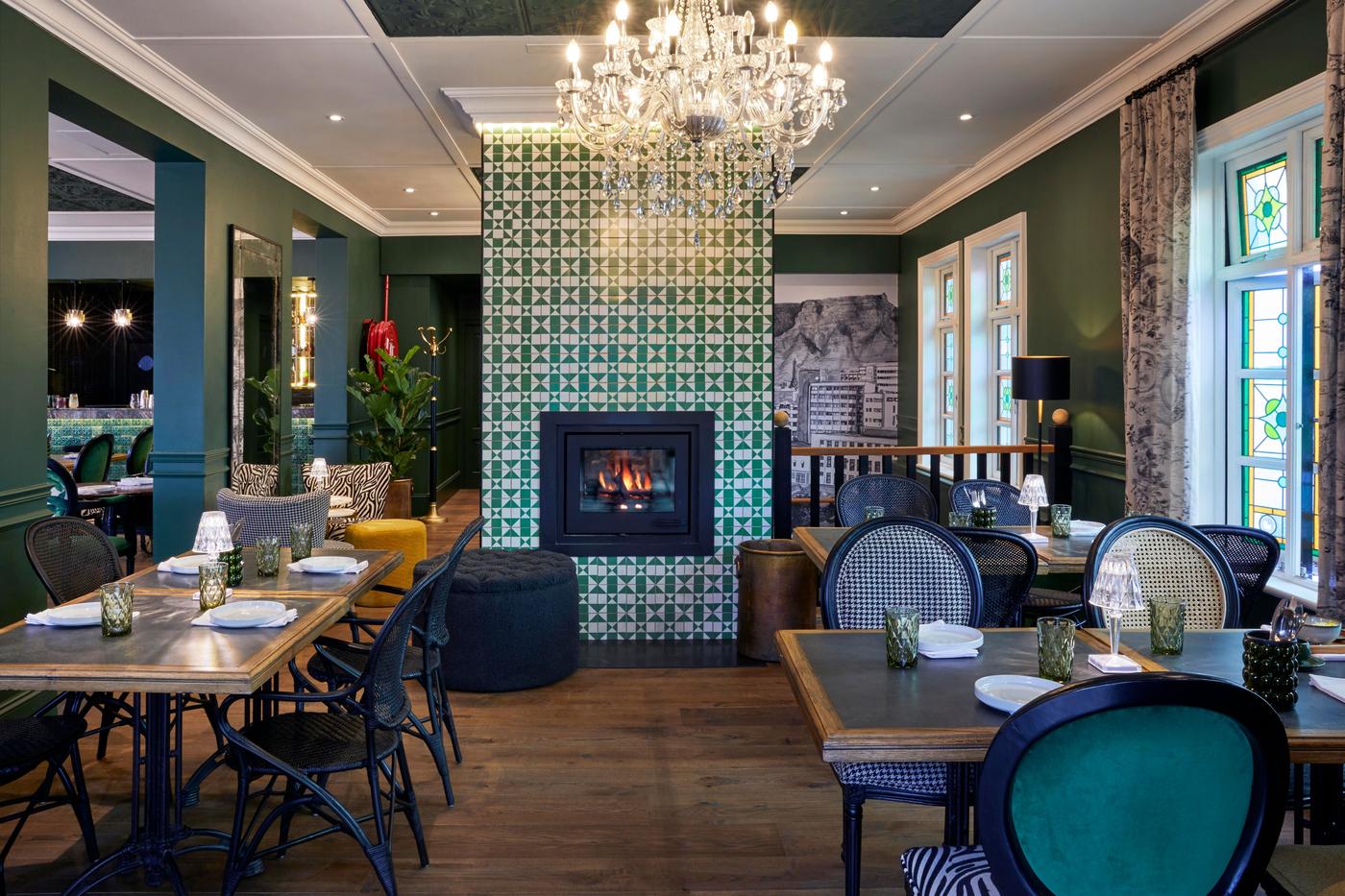
A restaurant with green walls, a tiled fireplace and a crystal chandelier

Day 2

Table Mountain, the Bo-Kaap and Bree Street

A private guide takes you up Table Mountain by cable car in the morning, with coffee and something home-baked at the top and a short walk away from the crowds. Then you head down into the city for the Company's Garden and the painted streets and spice shops of the Bo-Kaap.

Lunch is at one of the restaurants on Bree Street. In the afternoon you can ride bikes along the Sea Point Promenade before a drink at a gin bar hidden behind a chocolate shop. For dinner we book Nikkei on Bree Street, which mixes Japanese and Peruvian cooking, or Ouzeri on Wale Street for Greek and Cypriot dishes.

Overnight: Cape Cadogan Boutique Hotel
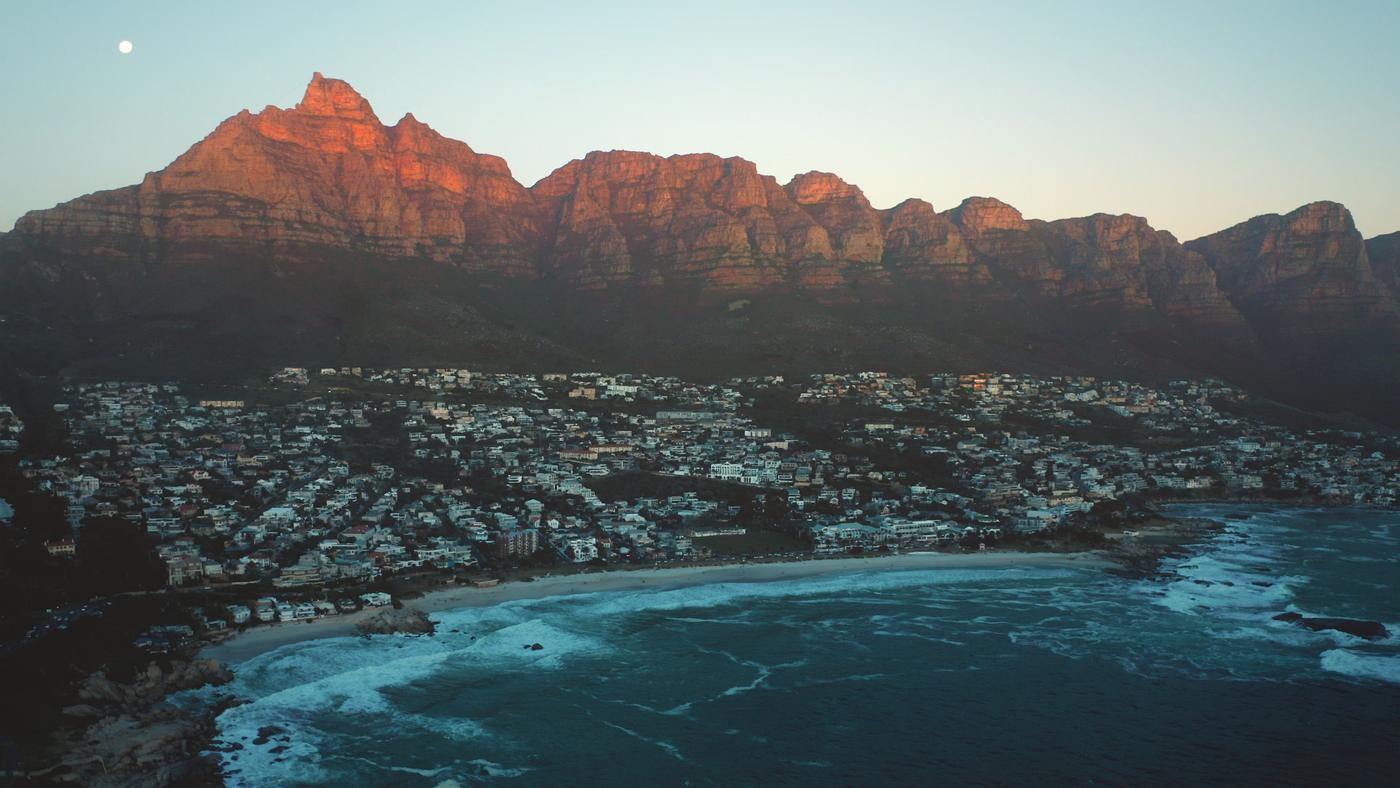
Cape Town's Atlantic suburbs and the Twelve Apostles mountains at dusk

Day 3

Lunch at VUUR, then Spier

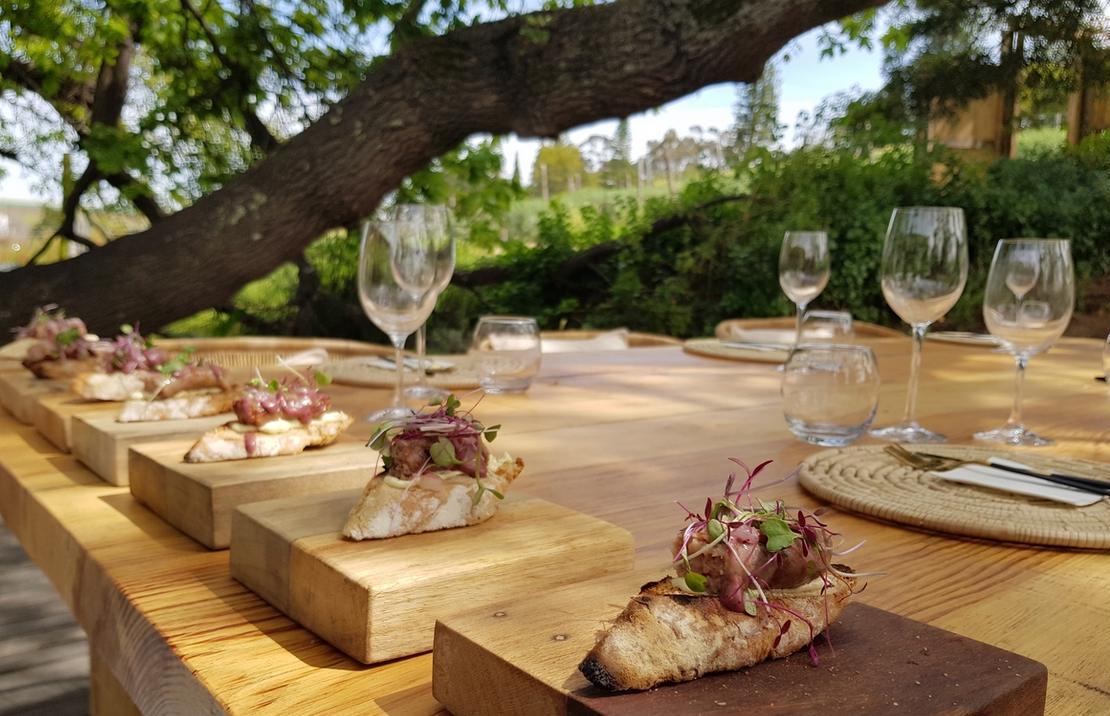
Today you move out to the Winelands. On the way you stop for lunch at VUUR on the Remhoogte wine estate near Stellenbosch, in an old stable that serves a single lunch table a day. Everything is cooked over fire, in seven or eight courses paired with Remhoogte's wines, and in summer the table moves outside under an old oak.

Afterwards you check in at the Spier Hotel, on a wine farm with winemaking records going back to 1692. The farm has a large collection of contemporary South African art, and you can take a Segway around the vineyards or taste wine by the dam.

Overnight: Spier Hotel

Small plates of food on wooden boards along an outdoor table under an oak tree

Day 4

A day of tastings

A wine guide spends the day with you around Stellenbosch, planned around what you like to drink. In the morning you taste at Oldenburg in the Banghoek Valley, or at Fijnbosch, the home of Capensis and its Chardonnay.

Lunch is at Tokara's deli among the olive groves and vines, or at the Ernie Els restaurant with views over Stellenbosch to the Helderberg. In the afternoon there's Rust en Vrede for its Cabernet Sauvignon and Syrah or Waterford on the slopes of the Helderberg. Dinner is the tasting menu at The Jordan Restaurant.

Overnight: Spier Hotel

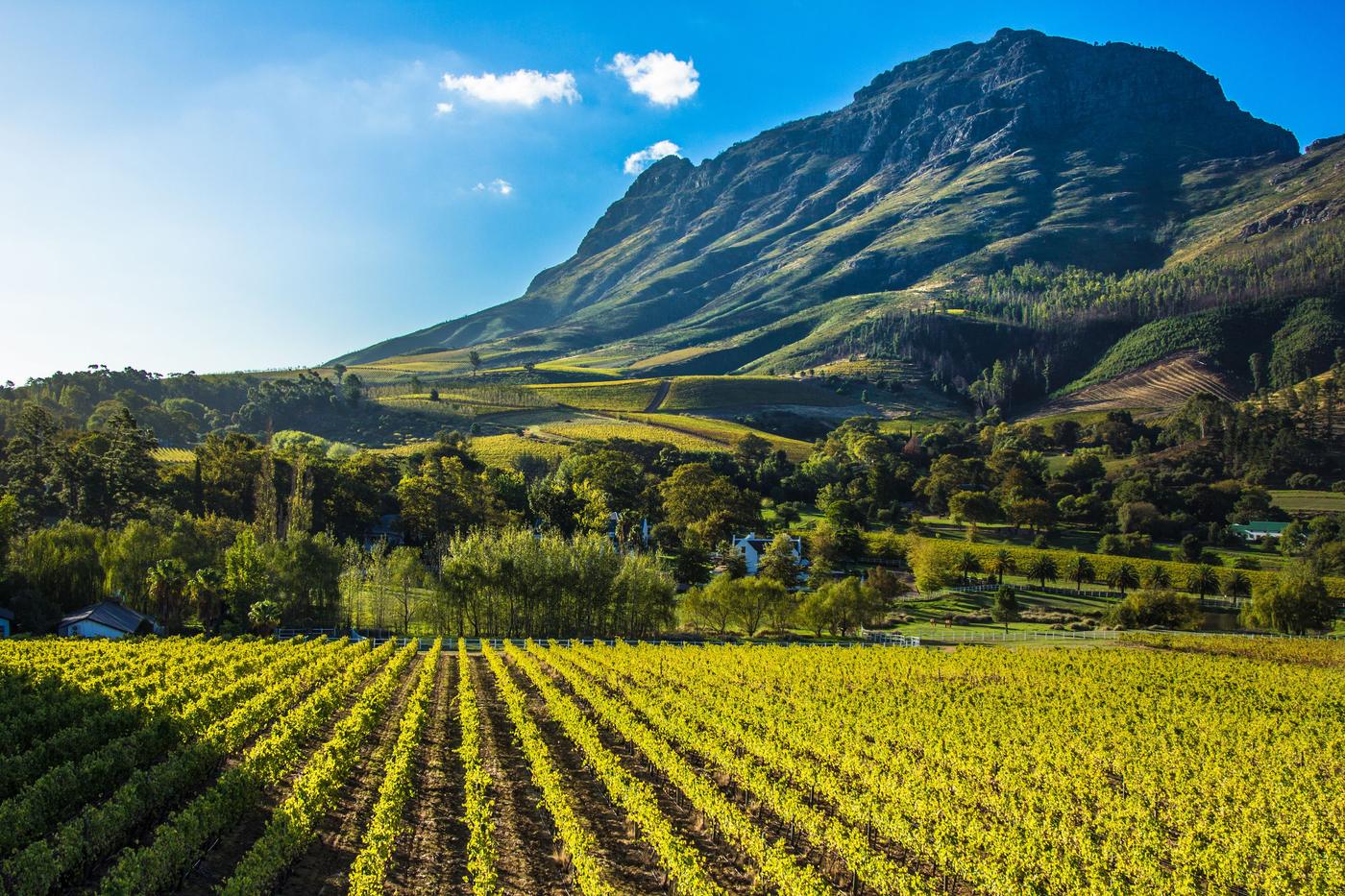
Vineyards in front of a steep mountain near Stellenbosch

Day 5

Fly to the Sabi Sand

After breakfast a driver takes you to Cape Town's airport for a scheduled flight to Kruger Mpumalanga International Airport (MQP) near Nelspruit. From there it's about two hours by road to Leopard Hills.

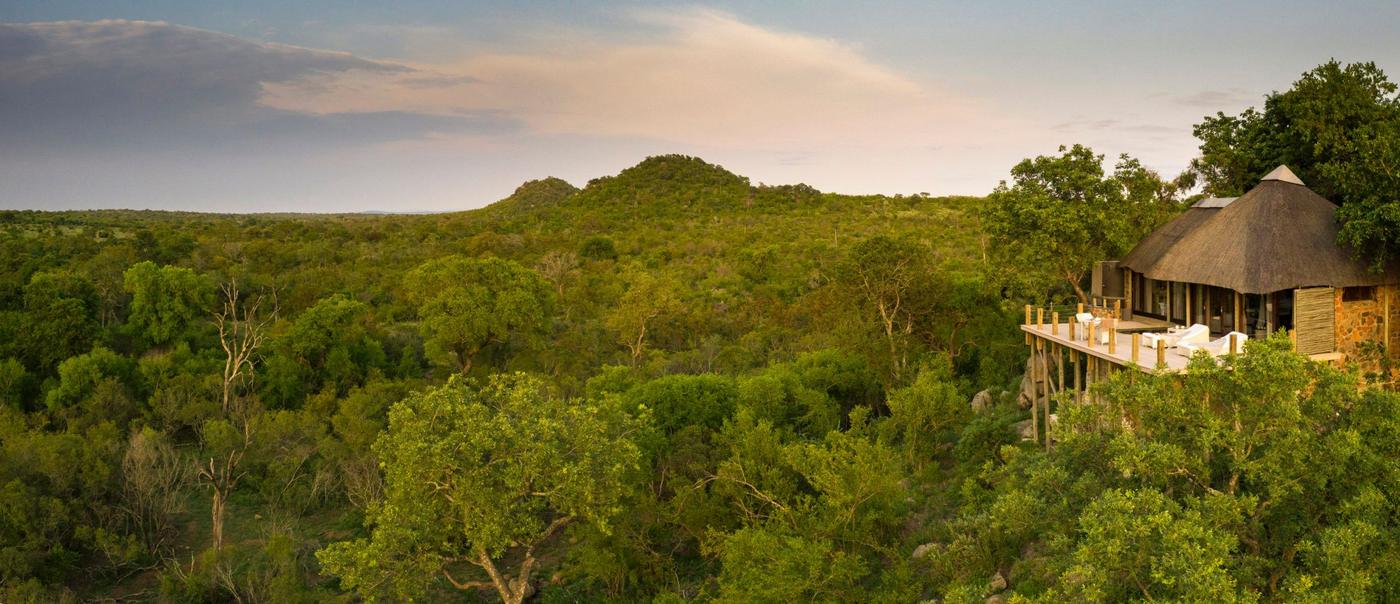
The lodge sits on a hill with wide views over the reserve, and each of its eight suites has a glass front, a sundeck and a plunge pool. Stays are full board.

Overnight: Leopard Hills

The lodge on a hillside above a wide stretch of green bush

Days 6–8

On safari at Leopard Hills

Game drives go out twice a day in an open vehicle, and the Sabi Sand is known for its leopards. You can also walk with a guide to look at the tracks and smaller animals you'd miss from the vehicle.

Between drives there's the main pool, a gym that looks out over the bush and massages in a glass treatment room off the pool deck. Dinners move between the deck, the dining room and the Shangaan boma. If you'd like a day away, we can book a two-hour helicopter flight to the Blyde River Canyon.

Overnight: Leopard Hills

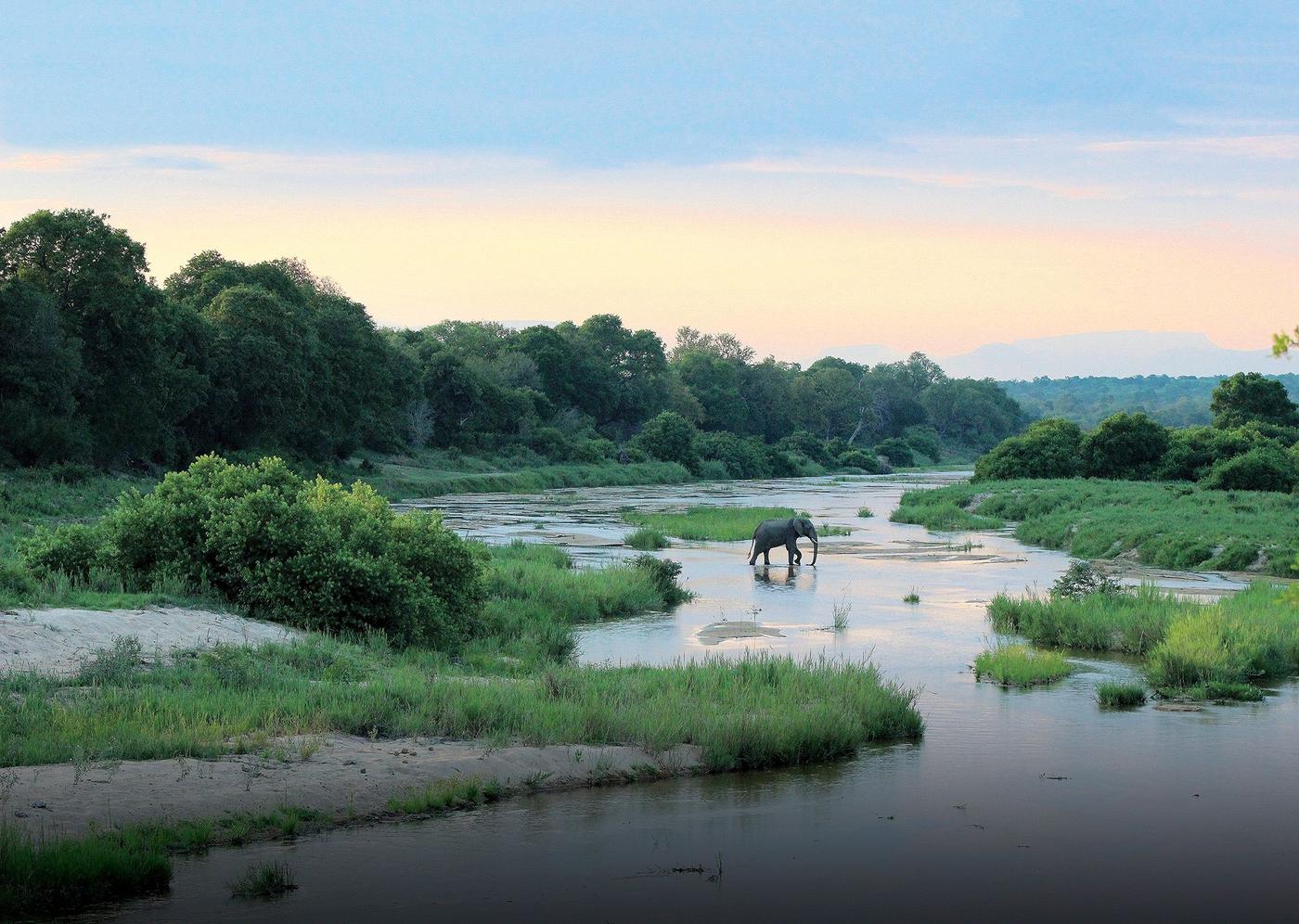
An elephant crossing a shallow river lined with green trees

Day 9

Home via Cape Town

After breakfast a driver takes you to Skukuza Airport (SZK) for the flight back to Cape Town, where you connect with your flight home.

Questions

Questions About This Trip

Seasons, rules and schedules can change, and we rely on our partners on the ground for the latest. Ask us before you plan around any of these answers and we'll double-check them.

What is Pinotage?

It's South Africa's own red grape. Abraham Perold, the first professor of viticulture at Stellenbosch University, crossed Pinot Noir with Cinsaut in 1924 and planted the four seeds in 1925. Cinsaut was called Hermitage in South Africa at the time, so the new grape became Pinotage. The name Herminoir was considered first and turned down.

When is the grape harvest in the Cape Winelands?

It runs from about February to April, at the end of the southern summer. White grapes such as Sauvignon Blanc and Chardonnay are usually picked first, and reds such as Cabernet Sauvignon come in last.

Why is the Sabi Sand so good for leopards?

Its leopards are used to vehicles. Habituation began in the late 1970s, and cubs raised by relaxed mothers learn early that vehicles are harmless, so it has carried on through generations of leopards. Most leopards elsewhere in Africa are shy and hard to see in daylight. Researchers have followed the lives of more than 800 Sabi Sand leopards since 1979.

What is the history of the Bo-Kaap in Cape Town?

It's the historic home of Cape Town's Muslim community, many of them descended from slaves and exiles the Dutch brought to the Cape. The Auwal Mosque on Dorp Street was built in 1794 on land owned by a freed slave, and it's the oldest mosque in South Africa. Its first imam, Tuan Guru, had written out the whole Quran from memory while he was a prisoner.

How It Works

We Arrange All of It

Each trip idea is a starting point. We adjust the length, the pace and the hotels to suit you, then book and manage every part of it.

  • Flights. Booked with your points where they're worth the most, and with cash where they aren't.
  • Every transfer. Private drivers, boats and domestic flights between each stop, timed to your arrival.
  • Guides and tours. Booked for the days that suit you, private or shared.
  • The hotels. Booked directly with the properties we work with, with rooms matched to your group.
  • Support while you're away. If a flight cancels or plans change, you contact us and we sort it out.

Plan This Trip

We can add two nights in Franschhoek for more of its restaurants and the Wine Tram, or a day down the Cape Peninsula before you leave Cape Town.

Every trip is priced for your dates. Send us rough dates and who's travelling, and we'll come back with the full plan.

Ask About This Trip