Two trekkers with their arms raised below the snowy peak of Salkantay

Trip Ideas · Peru

Peru: Trekking Salkantay and the Inca Trail to Machu Picchu

Guided day treks on the Salkantay trail from a dome camp near Mollepata, then the one-day Inca Trail into Machu Picchu, with Cusco and the Sacred Valley either side.

10 days, 9 nights

The Trip

This is a walking trip in the mountains west of Cusco that finishes on the Inca Trail to Machu Picchu. After two nights at Inkaterra La Casona in Cusco you drive out to Peru EcoCamp at Pincopata, a camp of domes near the town of Mollepata. From there you spend three days on guided hikes towards Salkantay and Humantay, coming back to the camp each night. Then you move to the Sacred Valley for two nights at Inkaterra Hacienda Urubamba, with a day of paddleboarding and mountain biking. You walk the one-day Inca Trail to Aguas Calientes, see Machu Picchu the next morning and finish back in Cusco.

The hiking is at altitude. The Salkantay pass is at about 4,650 metres and Humantay Lake at about 4,200, so the two nights in Cusco at the start matter. The walks are moderate to challenging, and on day five you choose between the climb to the Salkantay pass and a walk along an old aqueduct with an optional hike up to Humantay Lake. On the Inca Trail day there's a shorter walk to the Sun Gate if you'd rather.

By Next Mile Travel · Updated

The Route

1234CUSCO3 nightsMOLLEPATA3 nightsSACRED VALLEY2 nightsMACHU PICCHU1 night 1234CUSCO3 nightsMOLLEPATA3 nightsSACRED VALLEY2 nightsMACHU PICCHU1 night

Itinerary

Day by Day

Day 1

Arrive in Cusco

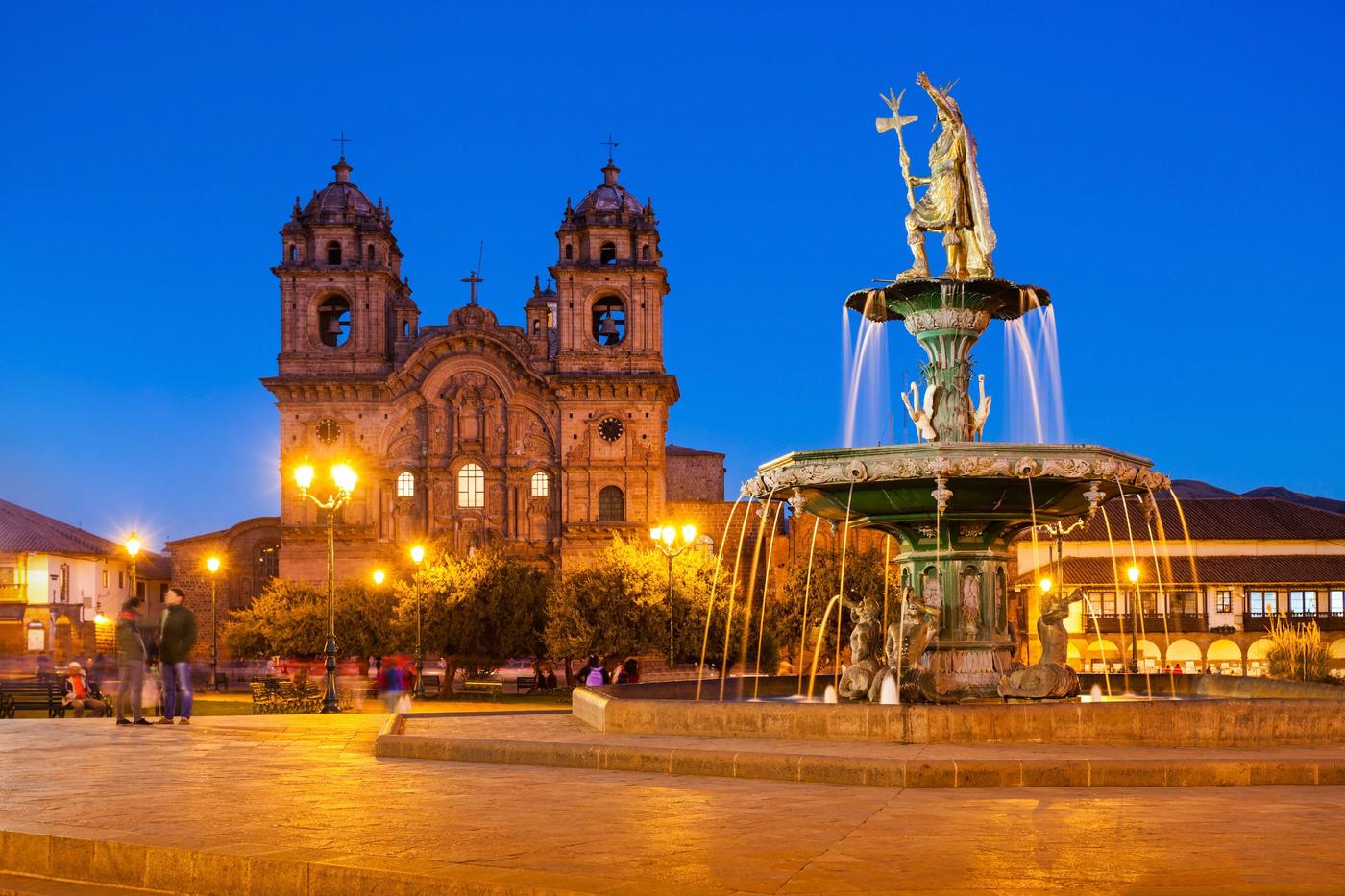
We meet you at Cusco airport (CUZ) and take you to Inkaterra La Casona, a 16th-century manor house on the Plaza de las Nazarenas, close to the Plaza de Armas. There's a welcome drink and a briefing on the trip, and the rest of the day is for resting at altitude.

Overnight: Inkaterra La Casona

Cusco's Plaza de Armas at night, with the fountain and a lit-up church

Day 2

Sacsayhuamán and an Inca road into Cusco

You start at Sacsayhuamán, the fortress above the city with its huge fitted stone walls, then visit the carved shrine of Q'enqo. From there you walk down the last stretch of an old Inca road through San Blas, the artists' quarter, with its cobbled lanes and craft workshops.

You finish in the main square, where more than 30,000 kilometres of Inca roads once met. If you'd rather not walk, we can drive you back to the centre after the ruins.

Overnight: Inkaterra La Casona

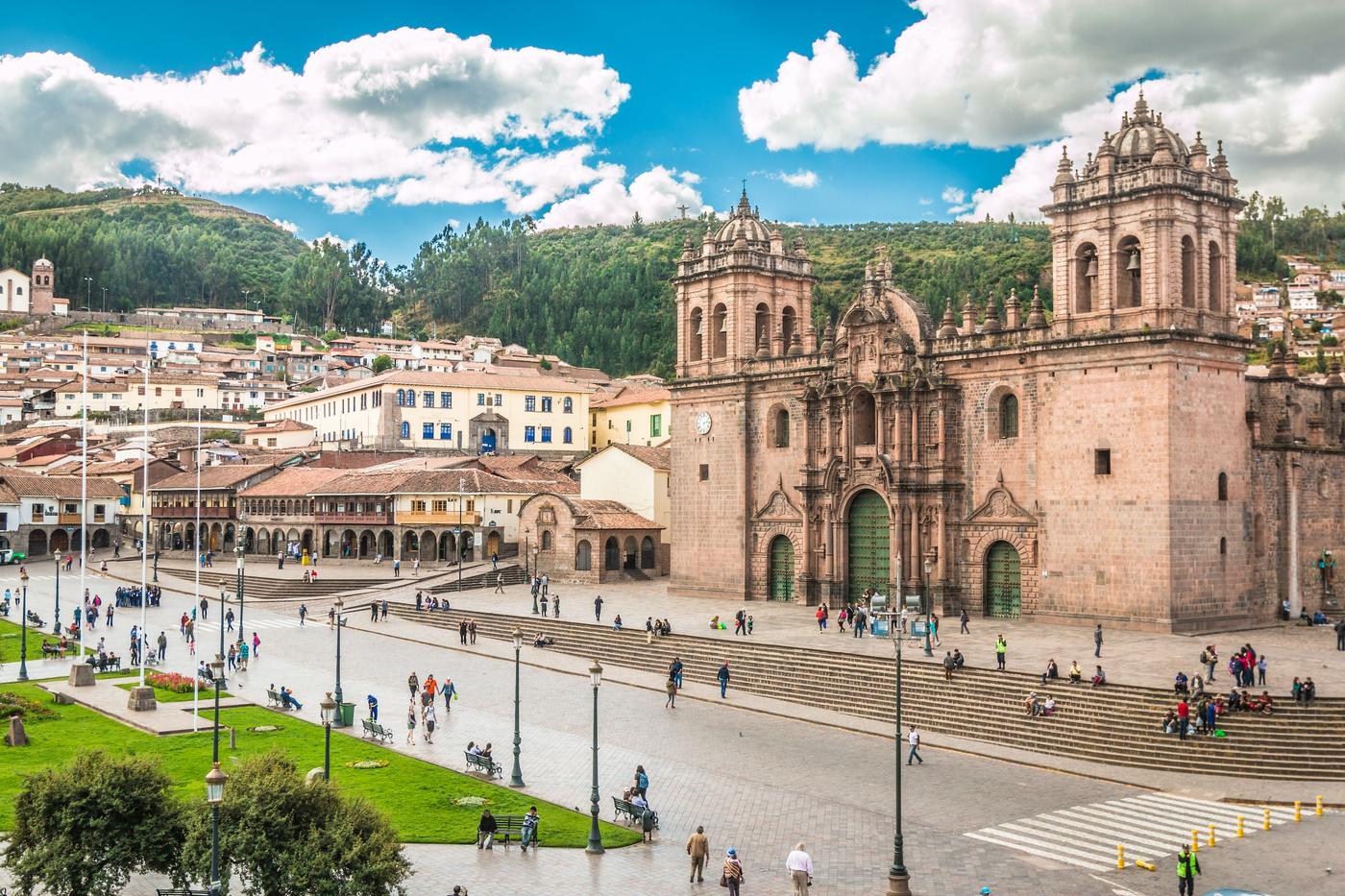
Cusco's cathedral on the Plaza de Armas, with hills behind

Day 3

The condors at Chonta and on to the camp

This first day out of Cusco is gentle, to help you get used to the altitude. On the drive west you stop at one of two Inca ritual sites, Killarumiyoc or Tarahuasi, then carry on through the farms of the Limatambo valley.

At Chonta, at 3,400 metres, you walk for about an hour along a narrow path above the Apurímac canyon to the condor viewpoint. You have a packed lunch there and time to watch the condors over the canyon.

Then it's on to Pincopata, at 2,850 metres, where Peru EcoCamp's domes sit among lawns and flower beds. It's about three and a half hours of driving in all. Dinner is three courses of Peruvian cooking.

Overnight: Peru EcoCamp

Day 4

Apu Tilca and Choquechurco

A short drive takes you to the start of the hike to Tilca, a sacred mountain above Mollepata. The climb takes about an hour and a half and passes Inca remains on the way, and at the summit steps lead up to ceremonial platforms. The top is at 3,790 metres. From there you look out over Salkantay, Humantay and other peaks of the Vilcabamba range, and down into the Apurímac canyon.

Then you walk down to Choquechurco, an abandoned archaeological site in a forest of polylepis trees at 3,200 metres, and have lunch there before heading back to the camp. The hike is about 10 kilometres and takes 4 to 5 hours.

Overnight: Peru EcoCamp

Day 5

The Salkantay pass or Humantay Lake

Today you choose between two walks. The first climbs gradually up the valley across small open plains, then steeply to the Salkantay pass at about 4,650 metres, with the snowy south face of Salkantay right above you. You eat lunch lower down where it's warmer, then walk back to the camp at Soray.

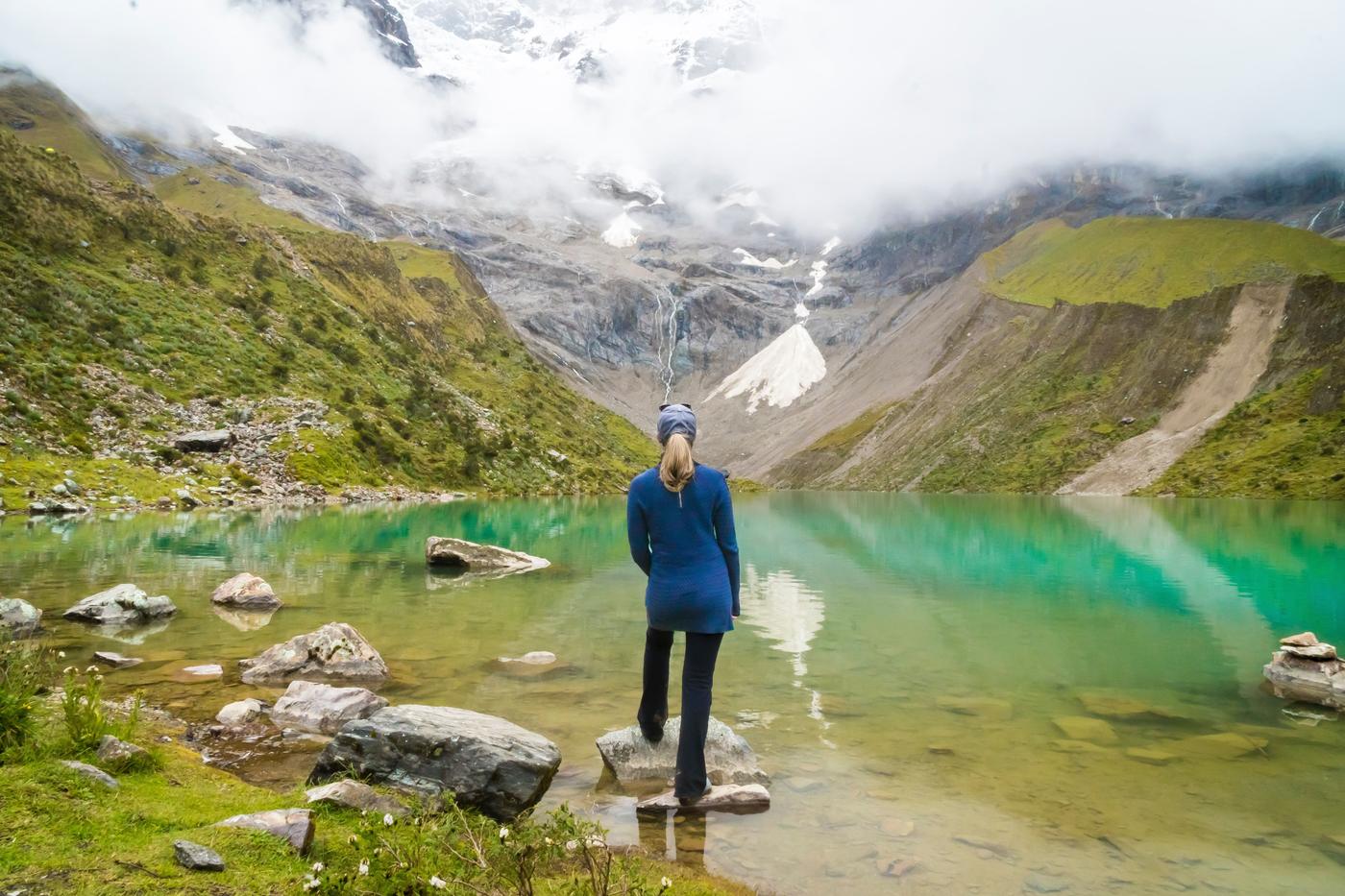
The other starts with a short drive to Marcoccasa and follows an old aqueduct along the Río Blanco valley, below Humantay and Salkantay, to the Soray camp at 3,883 metres for lunch. In the afternoon there's an optional hike of about an hour and a half up to Humantay Lake, a glacial lake at about 4,200 metres below the mountain's south face.

Both walks end with a drive back to Pincopata for a farewell dinner and a bonfire under the stars.

Overnight: Peru EcoCamp

A hiker on the rocks beside a turquoise glacial lake below snowy peaks

Day 6

Moray, Maras and the Sacred Valley

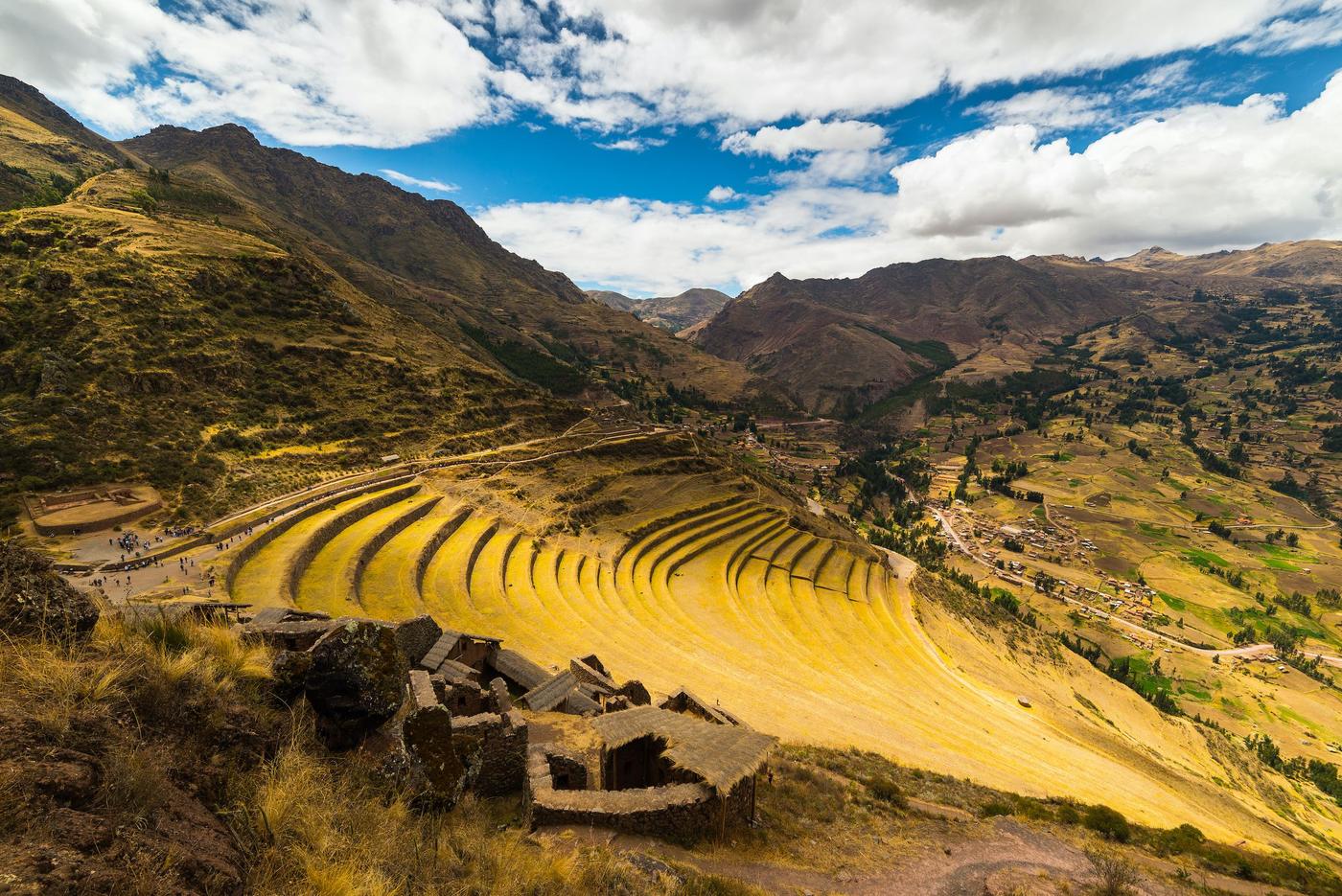
You leave the camp after breakfast and drive through small Quechua villages to Moray, where the Incas built rings of terraces down into huge natural hollows, each with its own irrigation channels. Lunch is with the community of Misminay near Maras.

In the afternoon you walk through the salt pans of Maras, which local families still work by hand. They're thought to date from before the Incas. From there the path goes down to Pachar, and we drive you to Inkaterra Hacienda Urubamba. The walks at Moray and Maras are short, about 1.6 and 2.5 kilometres, but with two and a half to three hours of driving it's a full day.

Overnight: Inkaterra Hacienda Urubamba

Inca farming terraces on a steep hillside in the Sacred Valley

Day 7

Huaypo Lake, bikes and Chinchero

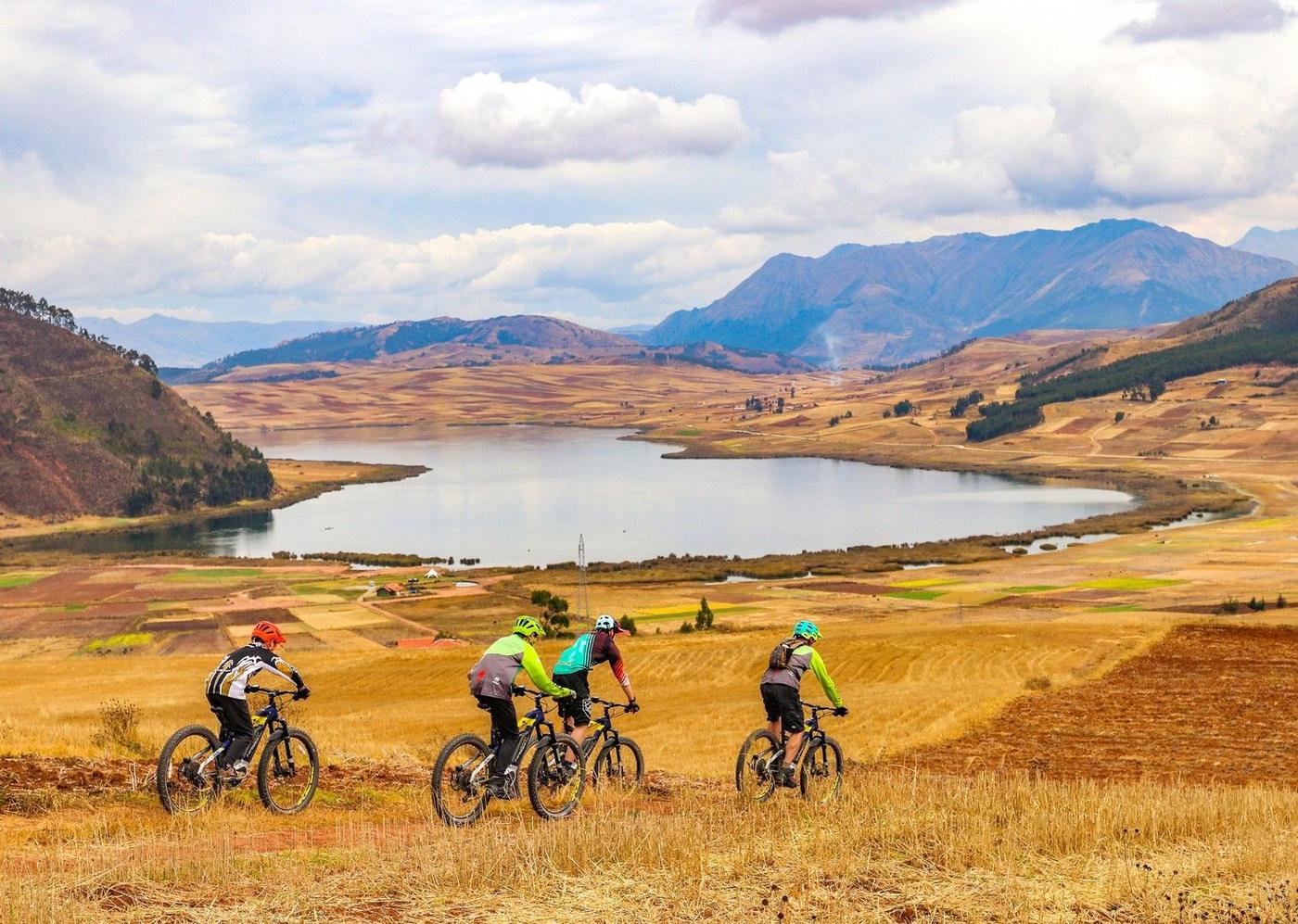
You start early on Huaypo Lake, at more than 3,400 metres. After a short lesson on the shore you take a stand-up paddleboard out on the calm water, with snowy peaks all around.

After a snack by the lake you ride mountain bikes on country tracks past farm fields and villages to Chinchero. The town is known for its weaving, and the weavers there show you how they work on backstrap looms and make dyes from local plants and insects. Then it's back to the hacienda for the night.

Overnight: Inkaterra Hacienda Urubamba

Four mountain bikers on a track above a lake and farmland

Day 8

The one-day Inca Trail

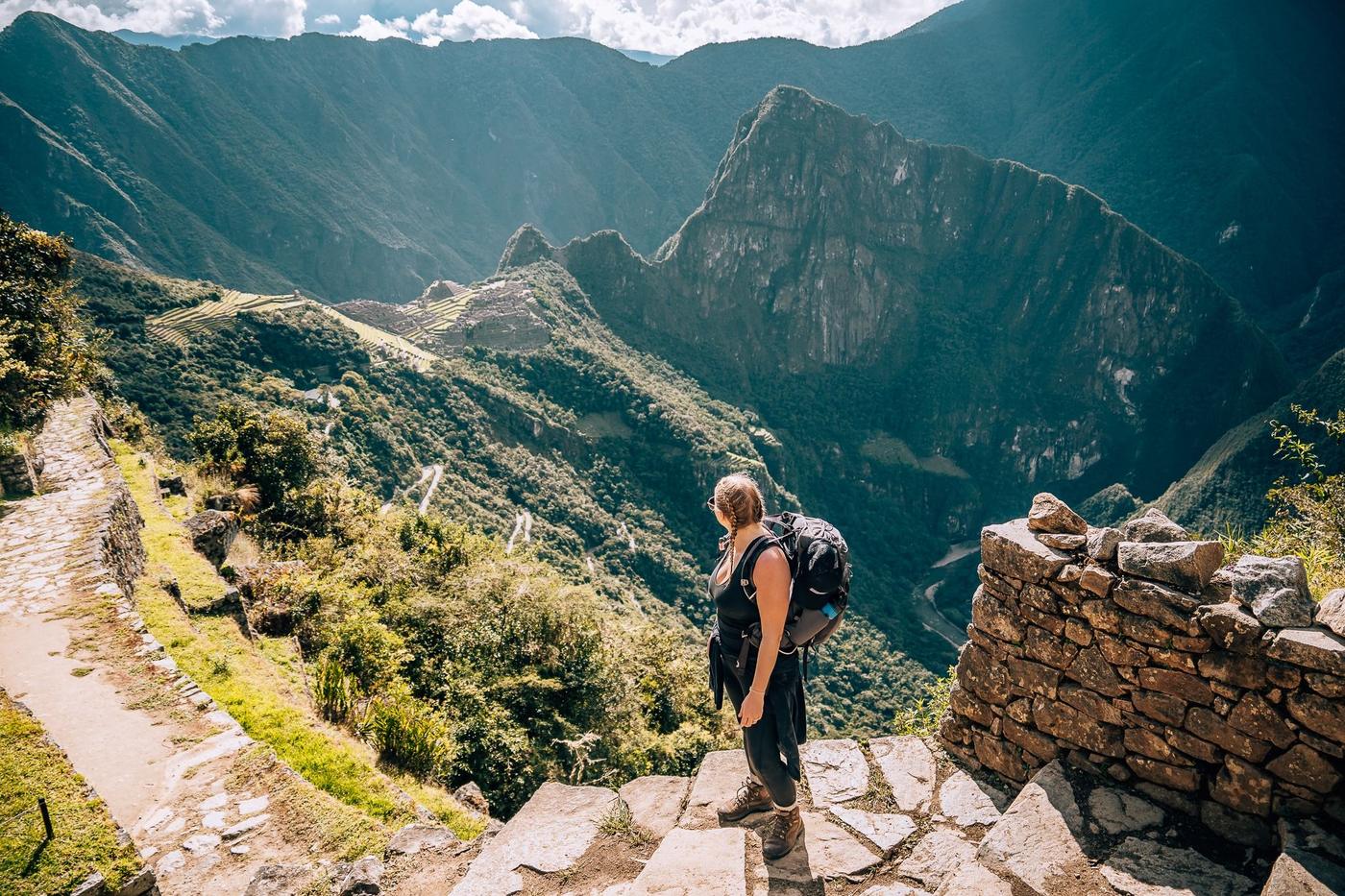
After breakfast we drive you about an hour and a half to Ollantaytambo. From there the train takes you to Kilometre 104, where the one-day Inca Trail begins. The trail is 11.3 kilometres and takes about 6 hours, and you finish in Aguas Calientes below Machu Picchu.

If you'd rather skip the Inca Trail, you can walk up an old Inca road to the Sun Gate (Intipunku), which was once the main entrance to Machu Picchu. Your night is at Inkaterra Machu Picchu Pueblo, in the cloud forest at the edge of town.

Overnight: Inkaterra Machu Picchu Pueblo

A hiker on Inca stone steps above a deep green valley

Day 9

Machu Picchu and back to Cusco

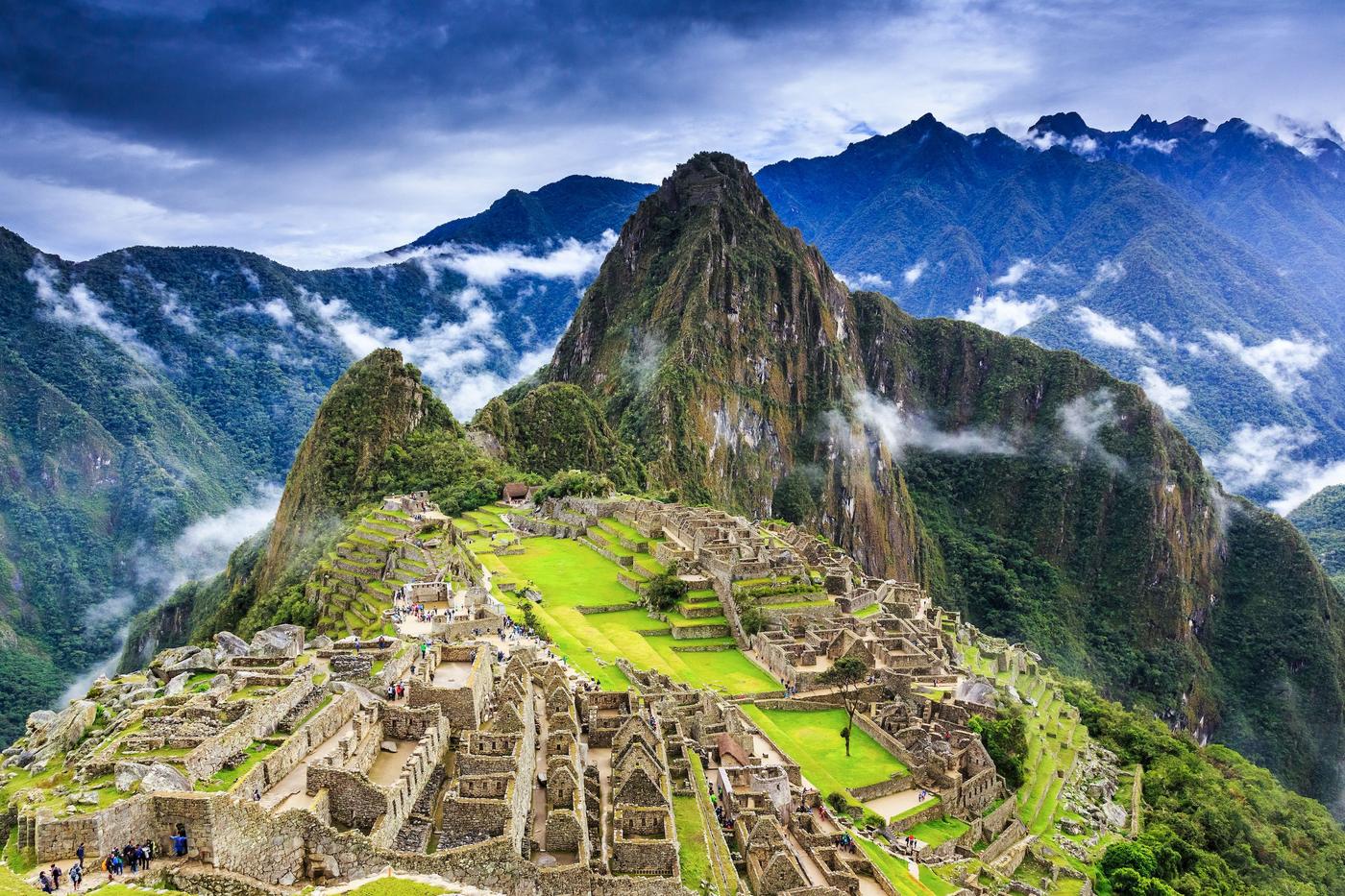
In the morning a bus takes you up to Machu Picchu, at 2,430 metres, for a guided walk through the ruins. You can also climb Huayna Picchu or Machu Picchu Mountain. Both are steep climbs with big views.

After lunch at the lodge beside the entrance you take the bus back down, then the train to Ollantaytambo and the drive back to Cusco. There's a farewell dinner in town, and your last night is at Inkaterra La Casona.

Overnight: Inkaterra La Casona

Machu Picchu's terraces and ruins, with Huayna Picchu rising behind in the cloud

Day 10

Home from Cusco

After breakfast we drive you to Cusco airport for your flight home.

Questions

Questions About This Trip

Seasons, rules and schedules can change, and we rely on our partners on the ground for the latest. Ask us before you plan around any of these answers and we'll double-check them.

What's the difference between the Salkantay trek and the Inca Trail?

The Salkantay is higher and wilder, and the Inca Trail passes more ruins. Salkantay is 6,271 metres high, the highest peak in the Vilcabamba range, and the trail crosses a pass right below it. The Inca Trail follows an old Inca road past sites like Sayaqmarka and Phuyupatamarca, and its highest pass is 4,215 metres. The classic Salkantay trek is about 74 kilometres over four or five days, and the classic Inca Trail is about 42 kilometres over four.

Is the Salkantay pass harder than the hike to Humantay Lake?

Yes. The Salkantay pass is at about 4,650 metres, roughly 800 metres higher than the camp at Soray, and from there the climb usually takes three to four hours. Humantay Lake is about 350 metres above Soray. That's a short climb but a steep one, and most people reach the lake in about an hour and a half.

How hard is the one-day Inca Trail?

It's a moderate day with one long climb. From Kilometre 104 the trail climbs about 600 metres to the terraces of Wiñay Wayna, with some steep stone steps, then follows the mountainside to the Sun Gate above Machu Picchu. It's the last part of the classic four-day route, and its highest point at the Sun Gate is about 2,730 metres.

How It Works

We Arrange All of It

Each trip idea is a starting point. We adjust the length, the pace and the hotels to suit you, then book and manage every part of it.

  • Flights. Booked with your points where they're worth the most, and with cash where they aren't.
  • Every transfer. Private drivers, boats and domestic flights between each stop, timed to your arrival.
  • Guides and tours. Booked for the days that suit you, private or shared.
  • The hotels. Booked directly with the properties we work with, with rooms matched to your group.
  • Support while you're away. If a flight cancels or plans change, you contact us and we sort it out.

Plan This Trip

We can move a night from Pincopata to Peru EcoCamp's camp at Soray, higher up below Salkantay and Humantay, or add a second night at Machu Picchu so you can visit the ruins twice. An extra night in the Sacred Valley gives you a spare day at the hacienda before the Inca Trail.

Every trip is priced for your dates. Send us rough dates and who's travelling, and we'll come back with the full plan.

Ask About This Trip