This trip fits the Amazon, Machu Picchu, the Sacred Valley and Cusco into nine nights, and after a first night in Lima it stays with Inkaterra the whole way. You fly to Puerto Maldonado for three nights at Reserva Amazónica, a lodge of thatched cabañas on the Madre de Dios River, then fly on to Cusco and take the train down to Machu Picchu for two nights at the foot of the ruins. From there you go back up to the Sacred Valley for two nights at a hacienda among the farms, and you finish with a night in Cusco at La Casona, a 16th-century mansion on Plaza Nazarenas.
Two nights at the lodge cover its main outings, Lake Sandoval and the canopy walkway among them, and the third gives you a slower day for the spa, a nearby farm or a night in the treehouse. After the Amazon the order is set by the altitude. Machu Picchu's ruins are at about 2,450 metres, the Sacred Valley hacienda at about 2,980 metres and Cusco at about 3,400 metres, so you climb in steps and don't sleep at the highest point until you're used to it. It works well for couples, families and anyone on a first trip to Peru, though La Casona in Cusco is better suited to adults.
By Next Mile Travel · Updated
The Route
Itinerary
Day by Day
Day 1
Arrive in Lima
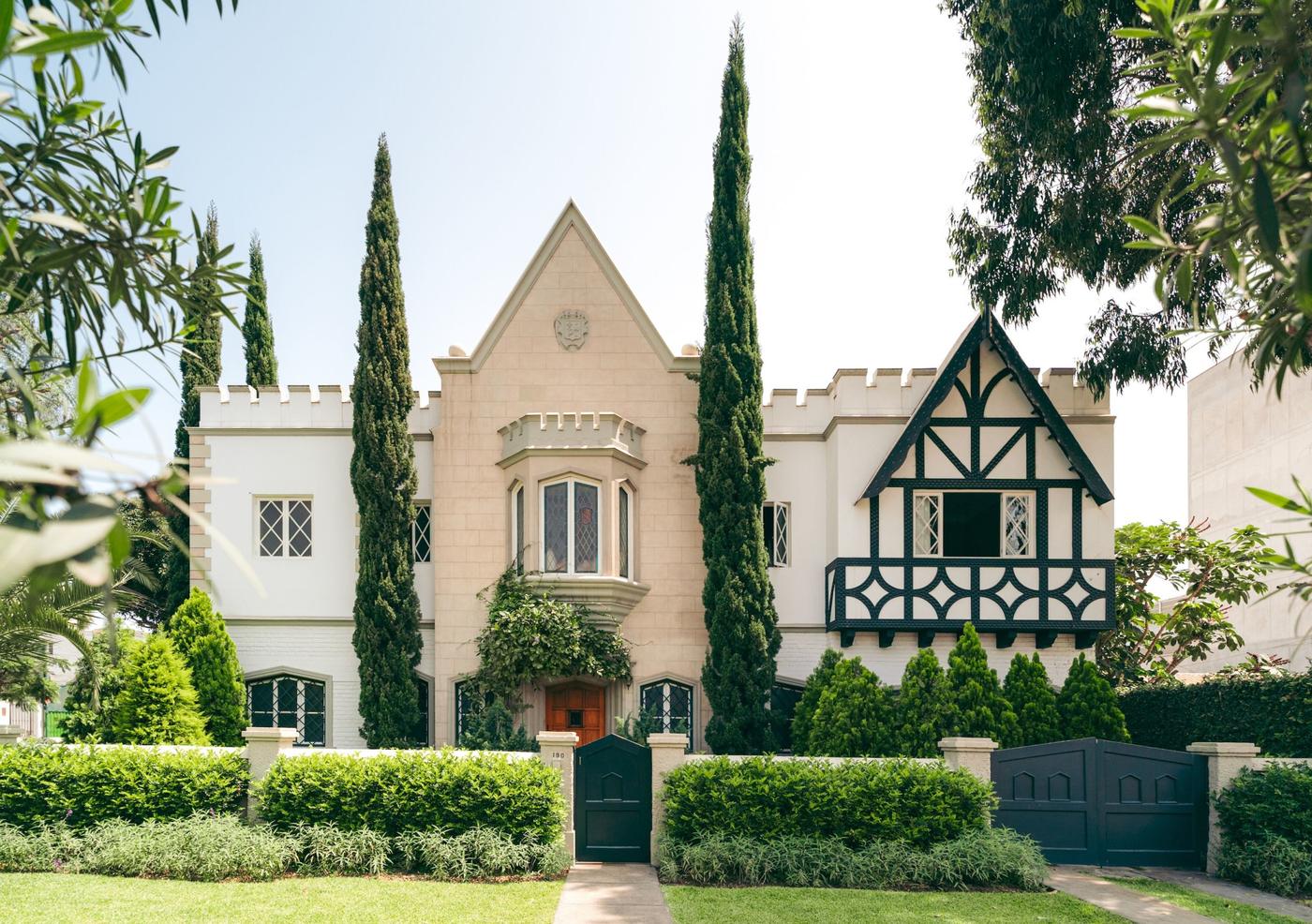
A private driver meets you at Lima's airport (LIM) and takes you to your hotel, Atemporal or Fausto. Lima is famous for its food, so if your flight gets in early enough we book dinner at the hotel or at a restaurant in the city.
If you land late in the evening, we book a hotel at the airport instead, so you're right there for the flight to Puerto Maldonado.
Day 2
Lima to the Amazon
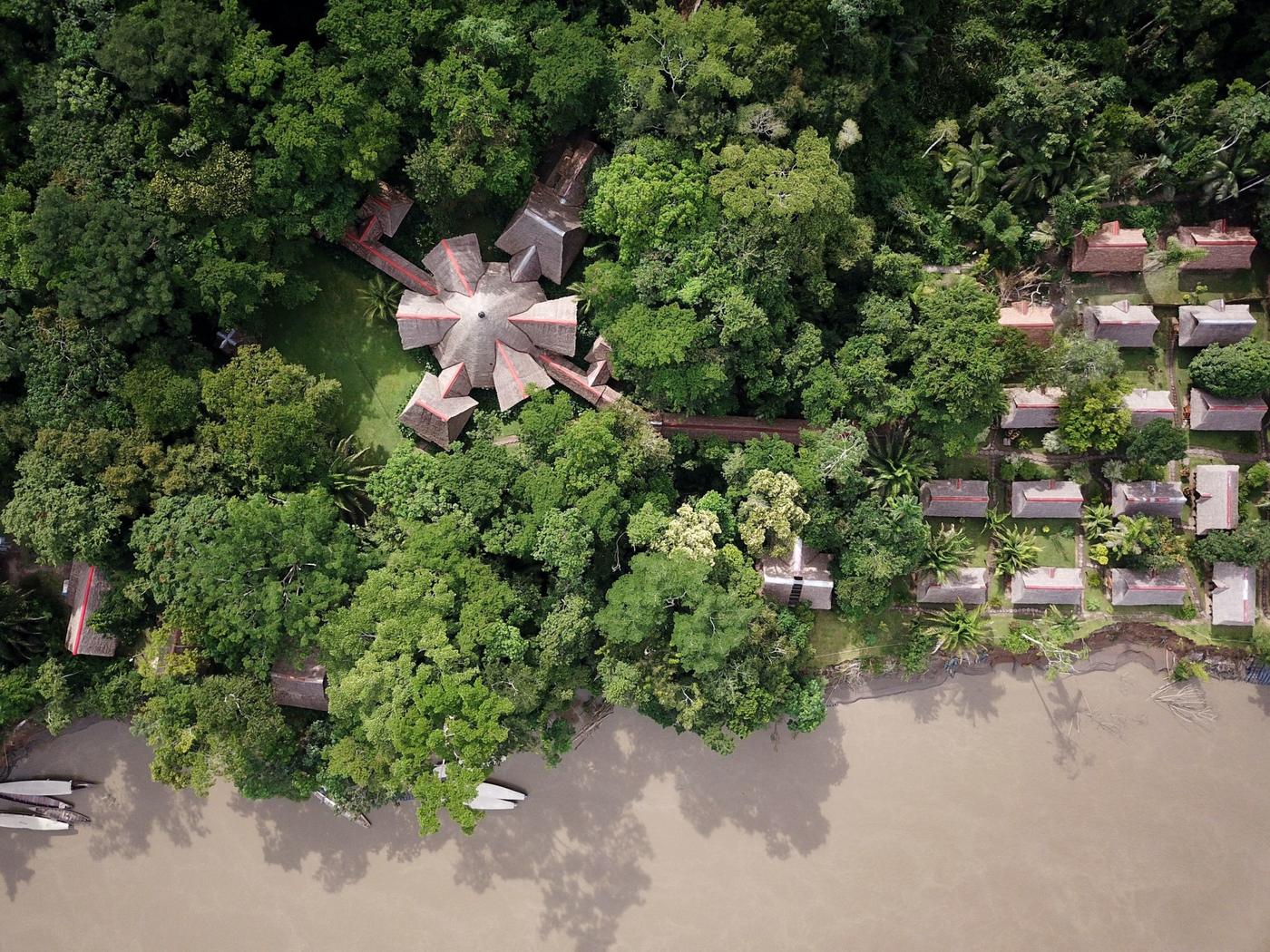
After breakfast you fly from Lima to Puerto Maldonado (PEM), about 75 minutes. From the airport it's a short drive to the river, then about 30 minutes by motorized dugout canoe down the Madre de Dios River to Reserva Amazónica, inside a 29,650-acre private reserve.
The lodge is laid out like an Ese'Eja village, with thatched cabañas on raised platforms around an open-air main lodge, all linked by boardwalks, and there's no Wi-Fi anywhere on the property. Once you've settled in, a guide walks you along the trails around the lodge, and in the late afternoon you go out by canoe on the river as it gets dark, to look for owls, nightjars, capybaras and caiman along the banks.
In the morning a boat takes you about 30 minutes to the Tambopata National Reserve, and from there it's a walk of about three kilometres through the forest to Lake Sandoval, an oxbow lake you cross in a wooden canoe. Look out for giant river otters, red howler monkeys, macaws and hoatzins.
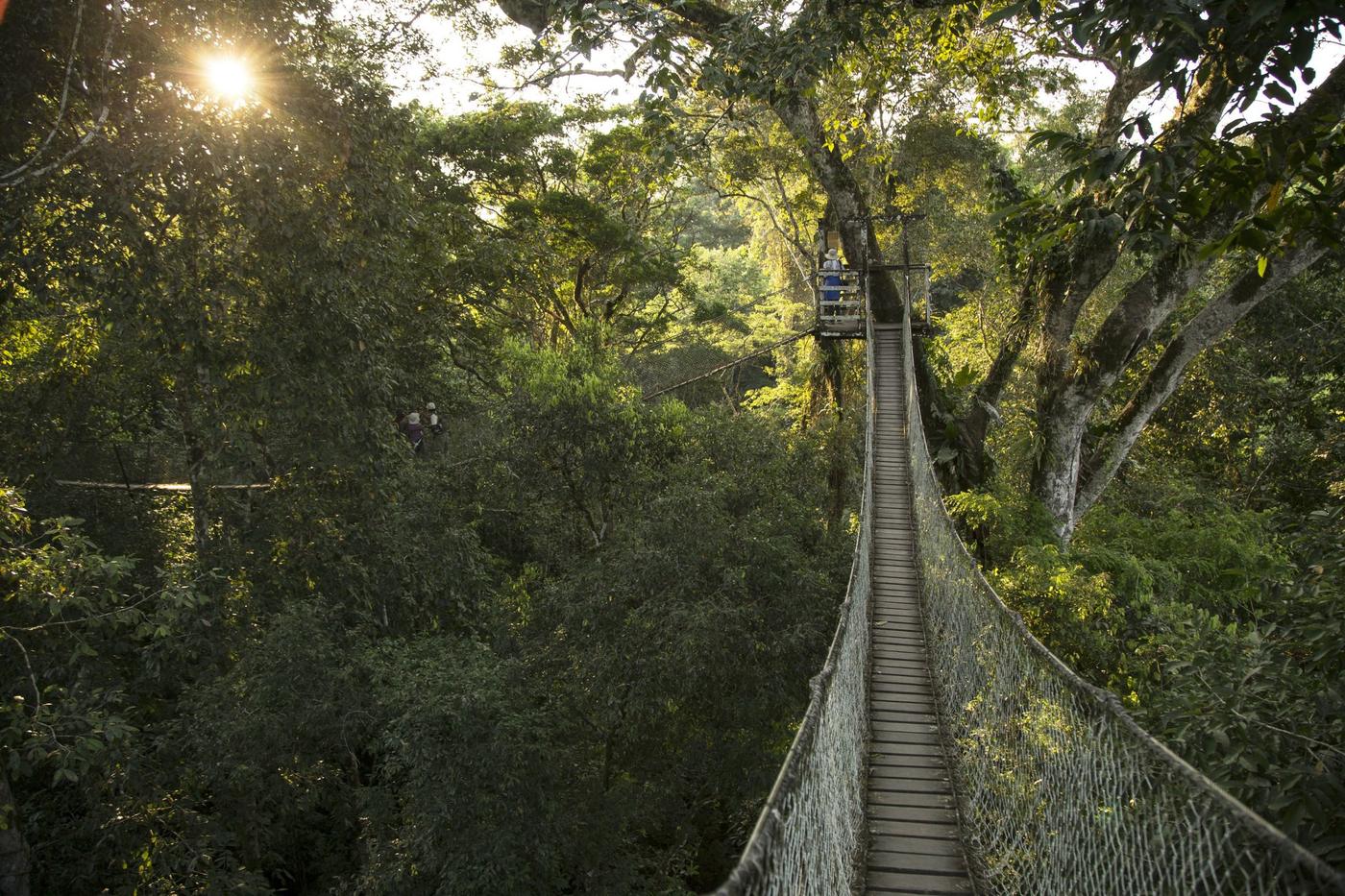
After lunch at the lodge you climb up to the canopy walkway, more than 400 metres of hanging bridges about 30 metres above the ground, for the view across the top of the forest and a chance of toucans, trogons and monkeys. When you come down, the Anaconda Walk takes you along a raised boardwalk over a flooded palm swamp, and after dark there's a guided night walk to look for animals you won't see during the day.
Two days cover the lodge's main outings, so the third is yours to fill or keep slow. You can take the boat about 25 minutes to Gamitana Creek, walk the trail along the creek, where piranhas, caiman and turtles live, and stop at a small farm to see what local families grow and taste fruit from the forest. Or go about 35 minutes upriver to Hacienda Concepción, the sister lodge, for its garden of more than 200 medicinal plants and a canoe trip on its lake. From November to June there's also a full day out to Lake Valencia, about two hours down the river, where you fish for your lunch.
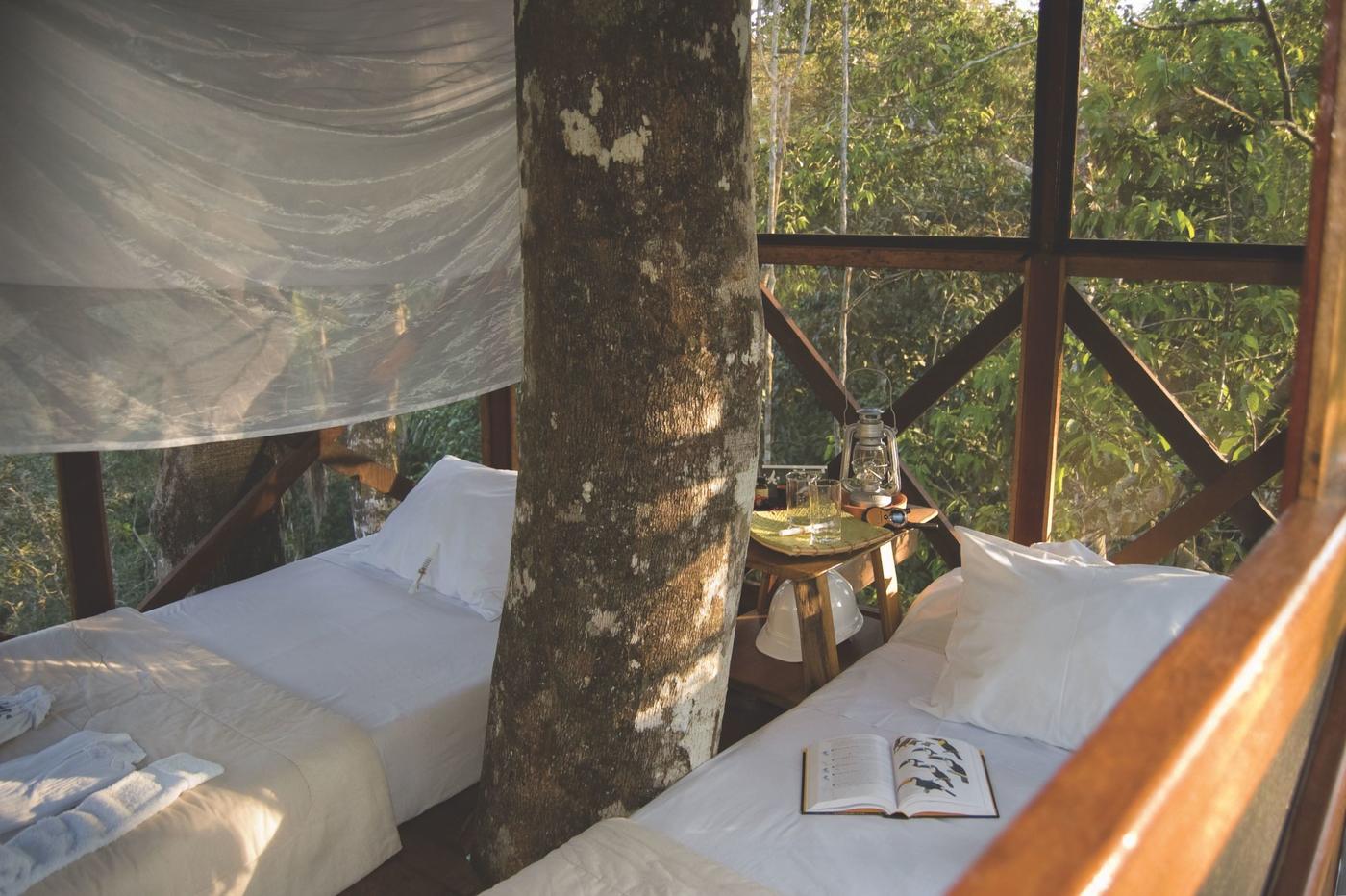
Later in the day you can book a treatment at the spa, or go back out on the trails with a guide to look for birds, since 540 species have been recorded around the lodge. For your last night, you can also have dinner and sleep in the Canopy Treehouse, 21 metres up in the trees.
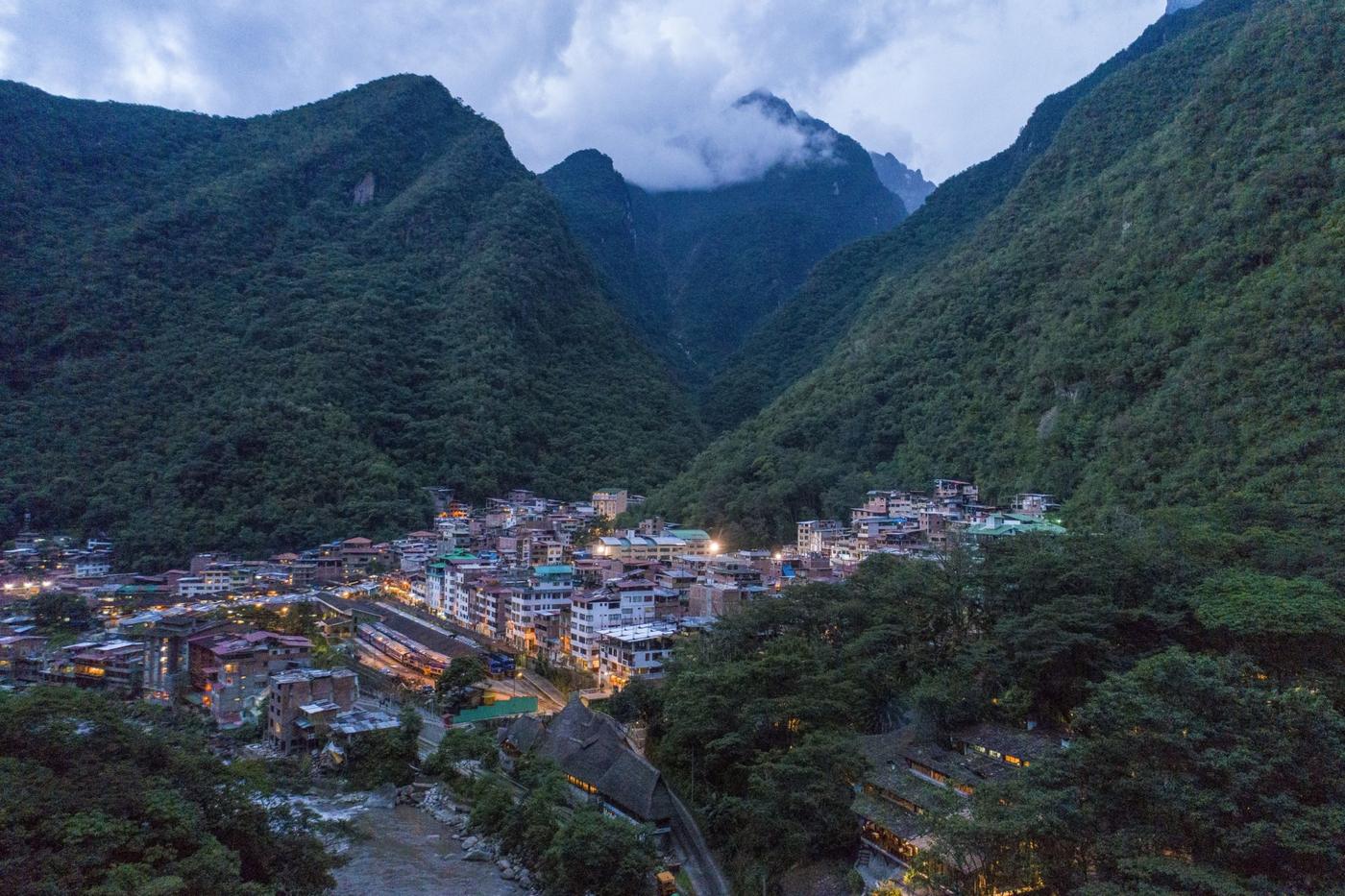
After breakfast the boat takes you back up the river to Puerto Maldonado for the flight to Cusco (CUZ), about 35 minutes. A driver takes you from Cusco airport to Ollantaytambo, about 90 minutes, for the 90-minute train ride down to Machu Picchu Pueblo. You pass through Cusco without stopping, since at about 3,400 metres it's the highest point of the trip and comes at the end.
Inkaterra Machu Picchu Pueblo sits on 12 acres of cloud forest at the edge of town, and porters carry your bags from the station. Breakfast and dinner here are served in a glass-walled dining room above the Vilcanota River.
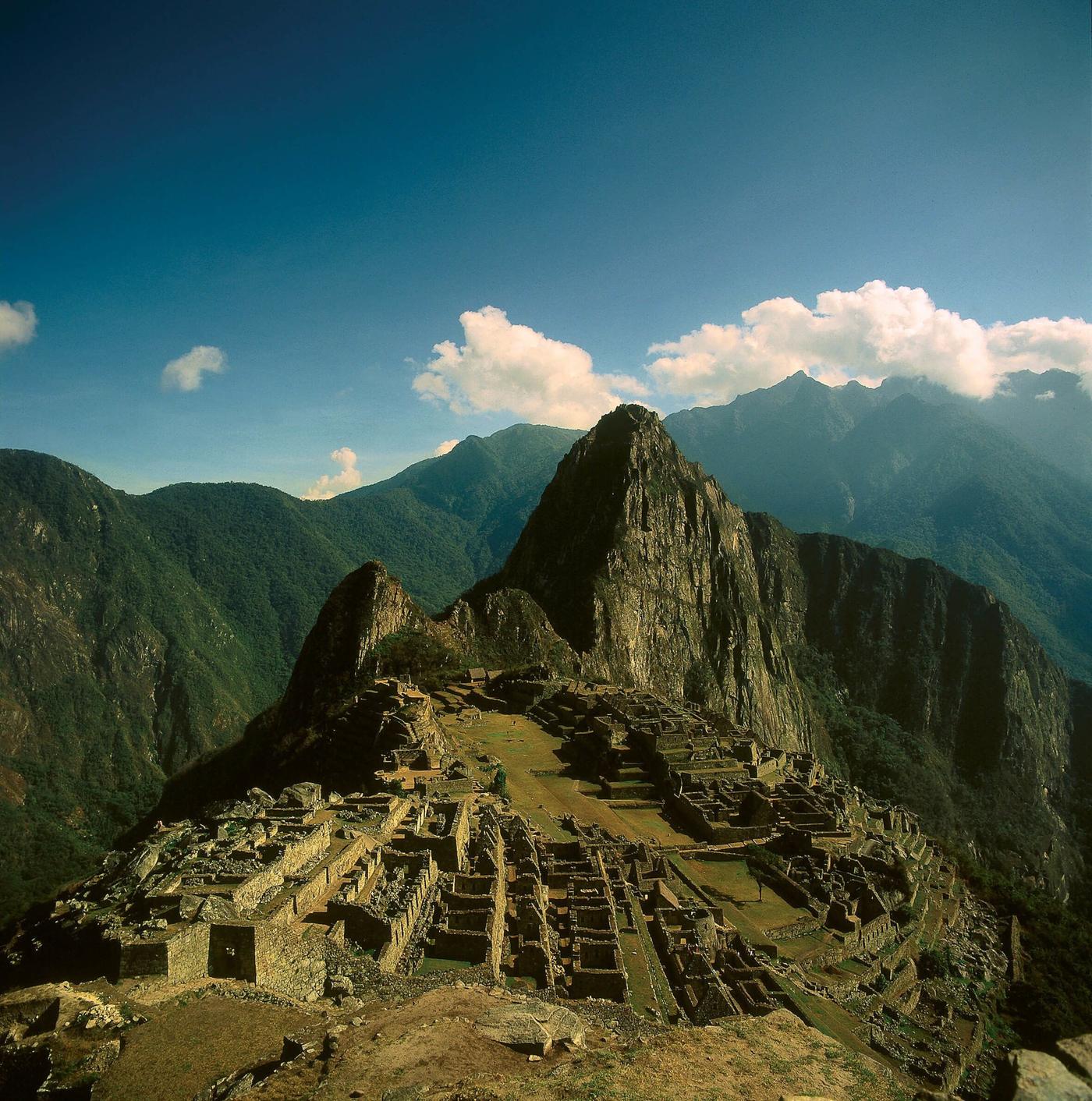
The whole day is for Machu Picchu. A short walk through town takes you to the bus, which climbs about 400 metres to the ruins at about 2,450 metres. You can hike up instead, about 2 kilometres, but we'd save your legs for the site itself. Take your time around the ruins, or climb Huayna Picchu or Machu Picchu Mountain for the view down over the whole site.
Before or after, depending on your entry time, there's more at the hotel: the Orchid Trail, with 372 native orchid species (not all in bloom at once), a guided twilight walk to the tea garden, a waterfall and pre-Inca rock paintings, and a spectacled bear rescue project nearby.
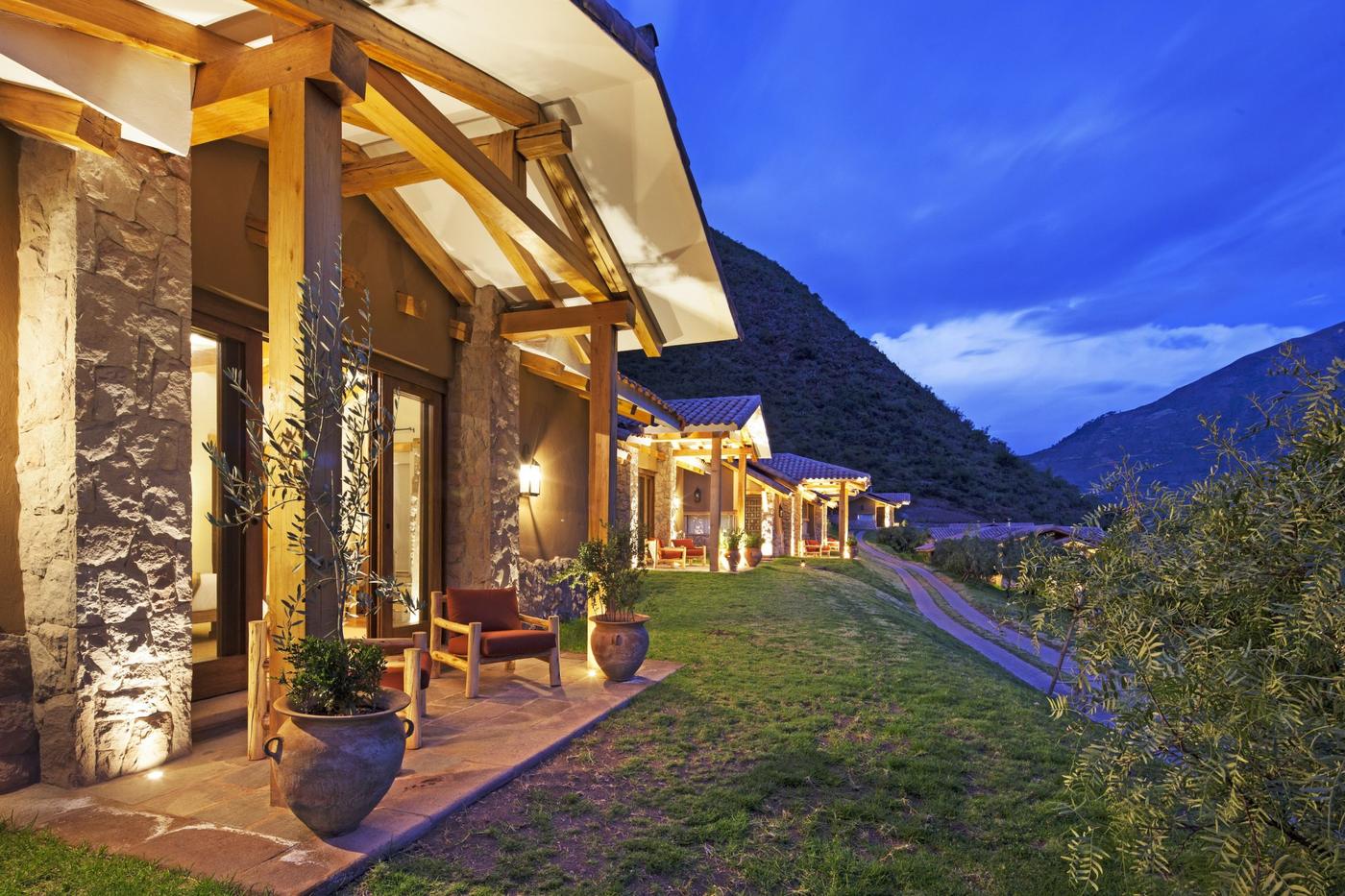
The train takes you back up the valley toward Cusco as far as Ollantaytambo, where a driver meets you for the drive to Hacienda Urubamba. At about 2,980 metres, the valley is a good place to get used to the altitude before Cusco.
The hacienda sits on the edge of the valley among farmland, with mountain views all round. Spend the rest of the day on your porch or by the wood-burning stove, or join the guided twilight walk before dinner.
A full day in the valley, and you choose what to do with it. You can ride Peruvian Paso Fino horses on country paths through the villages, go mountain biking, raft the river through the valley (with one class III rapid), or hike to Yanacocha Lagoon for the birds and the views.
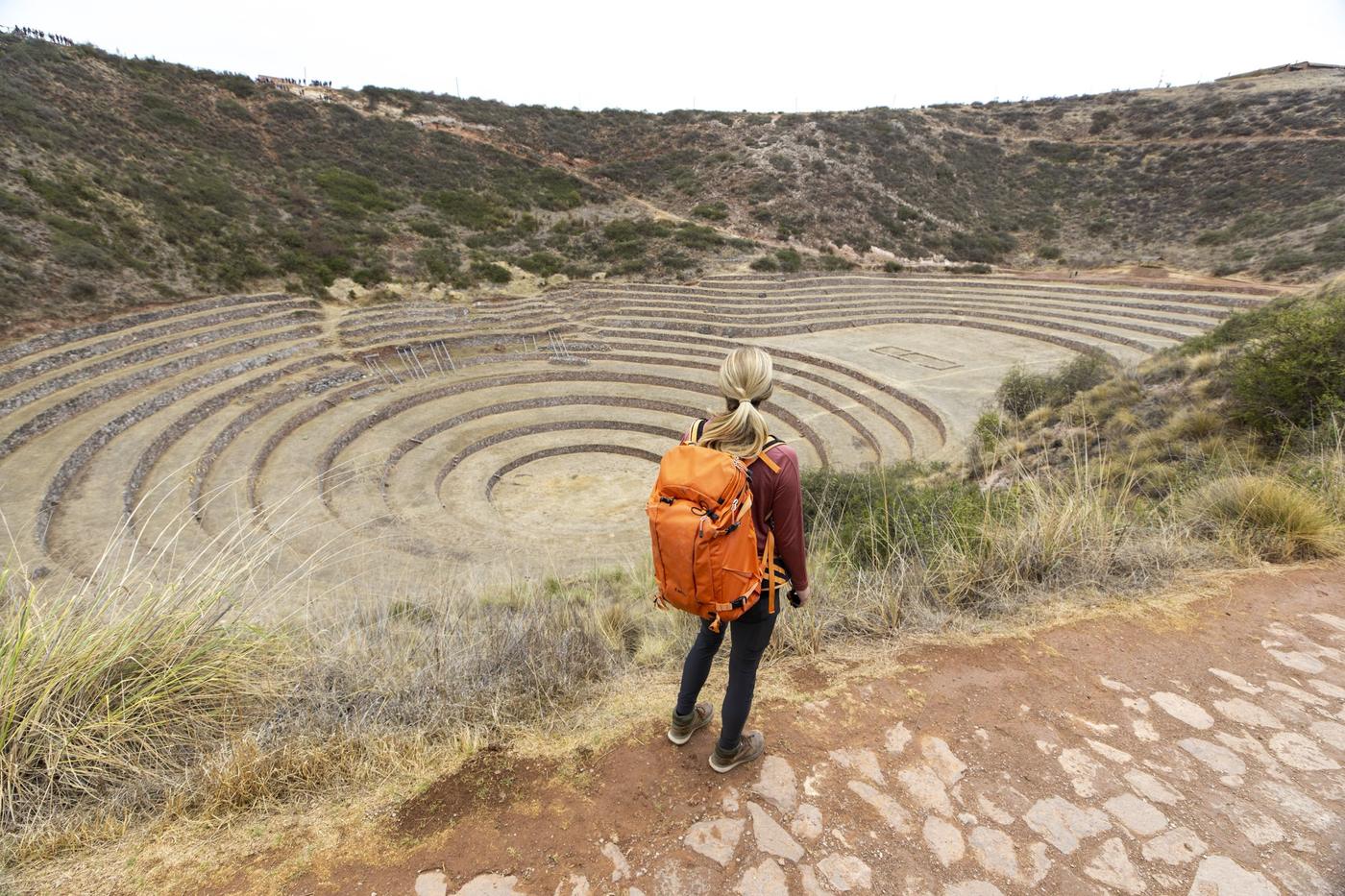
If you'd rather see the sites, there's the market and ruins at Pisac, Chinchero for textiles and crafts, and the Inca farming terraces at Moray with the salt pans at Maras, which you can see together in a morning.
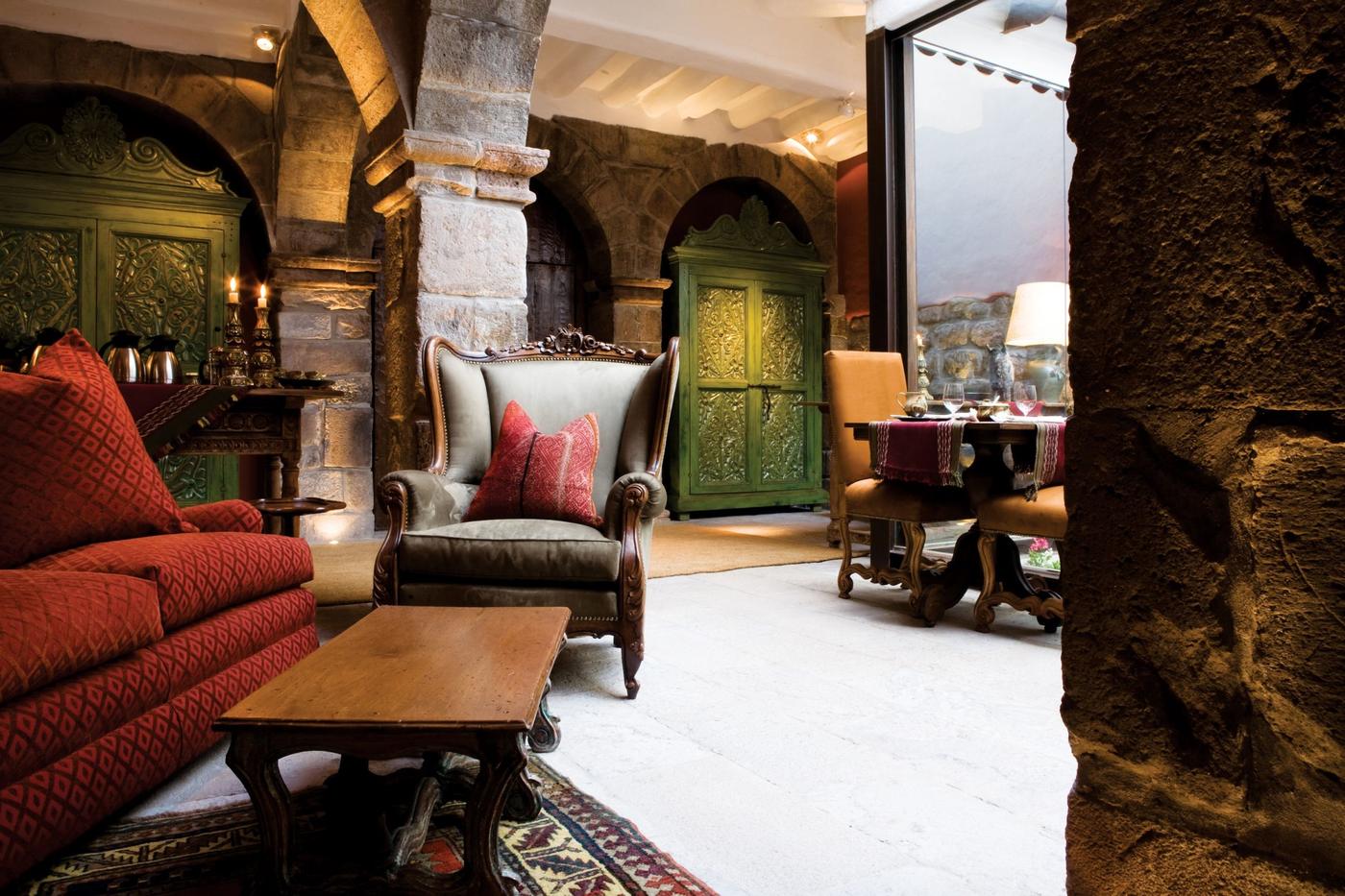
After breakfast it's a little over an hour by road to Cusco and La Casona, a 16th-century mansion on Plaza Nazarenas with 11 suites around a courtyard, between the San Blas neighbourhood and the Plaza de Armas. Cusco is at about 3,400 metres, so take the afternoon slowly, and the hotel keeps oxygen on hand if you need it.
The cathedral is two blocks away, the Museum of Pre-Columbian Art is next door, and San Blas is good for a wander. We can book a guide for the city or for Sacsayhuamán, an Inca fortress dedicated to the sun, or leave the afternoon open.
Have a last morning in Cusco if your flight allows, then a driver takes you to the airport, about 10 minutes, for the flight to Lima, about an hour, and your connection home.
Seasons, rules and schedules can change, and we rely on our partners on the ground for the latest. Ask us before you plan around any of these answers and we'll double-check them.
Will we see giant otters at Lake Sandoval?
There's a good chance, though nothing is certain with wild animals. A family of giant river otters lives on the lake, and they're most active early in the day, so the morning visit on this trip is the best time to see them. Giant otters are the longest members of the weasel family, at up to about 1.8 metres, and they're endangered. They live and fish in family groups, so when they're out you usually see several together.
Huayna Picchu or Machu Picchu Mountain: which climb is harder?
Huayna Picchu is the steeper climb, and Machu Picchu Mountain is the longer one. Huayna Picchu, the peak behind the ruins in most photos, rises less than 300 metres above them. Its path has narrow stone stairs that are very steep in places, and the round trip takes about three to four hours. Machu Picchu Mountain rises to 3,082 metres, about 650 metres above the ruins, on a wider path that takes about three to six hours there and back.
Does it ever get cold in the Amazon at Tambopata?
Yes, now and then. Most of the year it's hot and humid at around 32 °C. Between about May and September, cold air from the far south sometimes pushes up into the forest and brings the temperature down to about 10 °C. In Peru this is called a friaje, and it usually lasts a few days, so it's worth packing a warm layer.
How It Works
We Arrange All of It
Each trip idea is a starting point. We adjust the length, the pace and the hotels to suit you, then book and manage every part of it.
Flights. Booked with your points where they're worth the most, and with cash where they aren't.
Every transfer. Private drivers, boats and domestic flights between each stop, timed to your arrival.
Guides and tours. Booked for the days that suit you, private or shared.
The hotels. Booked directly with the properties we work with, with rooms matched to your group.
Support while you're away. If a flight cancels or plans change, you contact us and we sort it out.
Plan This Trip
We can add a second night in Cusco or a third in the Sacred Valley, swap Reserva Amazónica for Hacienda Concepción, its sister lodge upriver, or finish with a night in Lima before you fly home.
Every trip is priced for your dates. Send us rough dates and who's travelling, and we'll come back with the full plan.