This is a road trip through the south of Peru, staying at four small sister hotels linked by a drive they call the Southern Travesía. You start in Arequipa, in a former monastery a block from the main square, then drive into the Colca Canyon for three nights at PUQIO, a camp of tents and adobe rooms among old farming terraces. Next is Tinajani, six tented suites in a canyon of red sandstone towers, and the trip ends with three nights at Titilaka, on a small peninsula on Lake Titicaca. Every stop is full board, and there's a guided outing each day.
The order follows the altitude. Arequipa sits at 2,316 metres, and the hotels recommend at least two nights there to adjust before the Colca, since the road in crosses a pass close to 4,900 metres. From then on every stop is between about 3,650 and 3,900 metres. Driving straight from the Colca to the lake takes seven to eight hours, so two nights at Tinajani split it into two drives of four hours or so, with a full day in a canyon few people visit. It suits travellers who have already seen Cusco and Machu Picchu, active couples, and families with children aged eight and over.
By Next Mile Travel · Updated
The Route
Itinerary
Day by Day
Day 1
Lima to Arequipa
After customs in Lima, you check in for the connecting flight to Arequipa (AQP), about an hour. A private driver meets you there for the 25-minute drive to CIRQA, a block from the Plaza de Armas. If your international flight lands in Lima in the evening, we book you a night at the airport and you fly on the next morning.
The afternoon is yours. Most people rest at the hotel to get used to the altitude, or walk into the centre on their own.
Arequipa is Peru's second-largest city, at 2,316 metres, with more than 300 days of sun a year, and much of the old centre is built from sillar, a white volcanic stone. Today you choose a guided outing from the hotel's list: the Santa Catalina or Santa Teresa convents, the cathedral museum, the Santuarios Andinos Museum, which holds Juanita, an Inca girl found frozen on a nearby mountain in 1995, or a walk through the sillar quarries of the Añashuayco Valley.
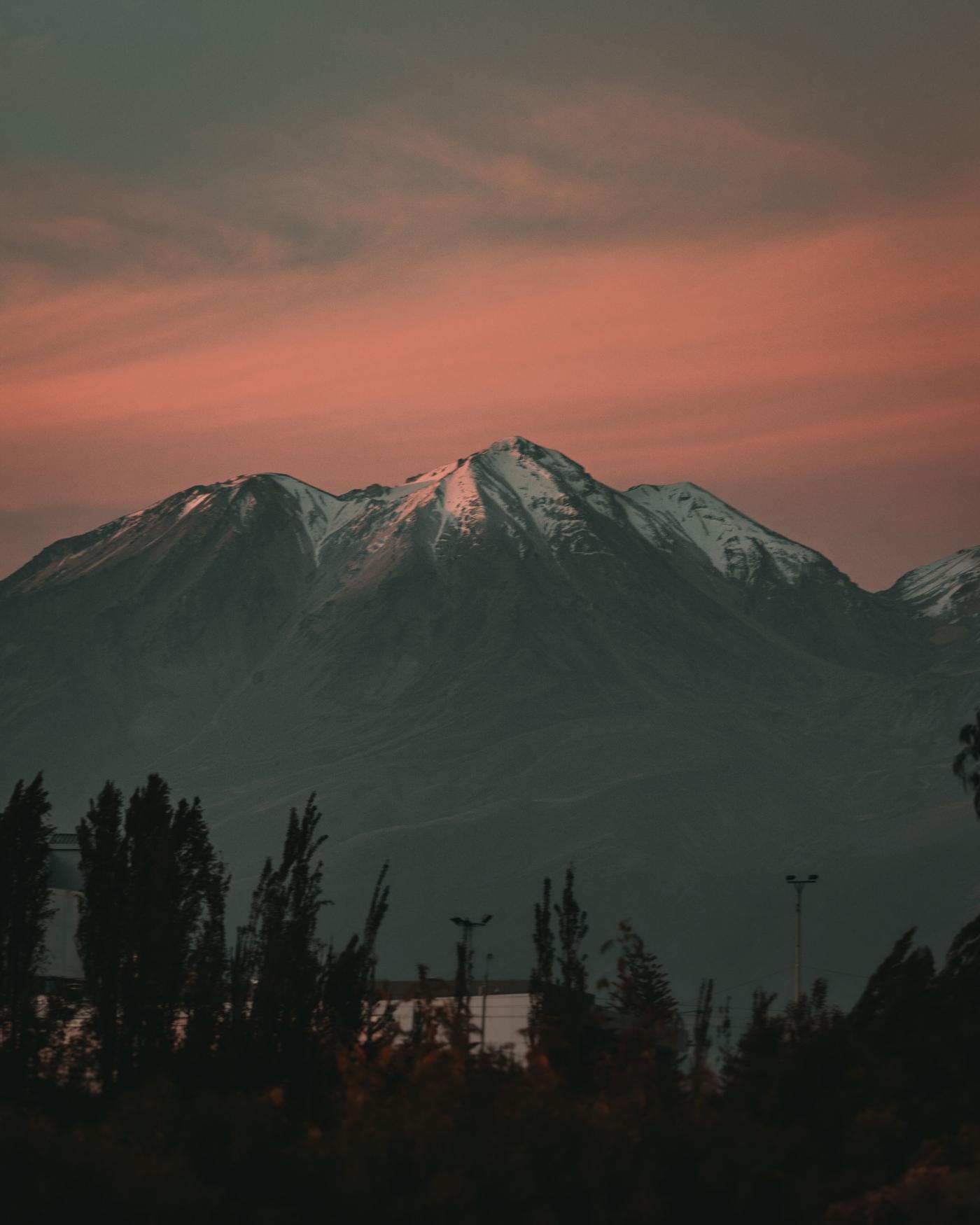
In the evening, El Techo, the hotel's rooftop bar, looks out over the city to the volcanoes at sunset.
An early start for the four-hour drive to the Colca Valley, with stops for the views. All the drives on this trip are in a roomy vehicle with an English-speaking guide, with lunch or snacks along the way depending on the length. The road crosses a pass close to 4,900 metres before coming down to PUQIO at about 3,650 metres.
The Colca is one of the deepest river canyons in the world, lined with terraces that have been farmed for thousands of years. Spend the afternoon at the camp, maybe in the hot tub with a pisco or a cup of muña, a local mint tea.
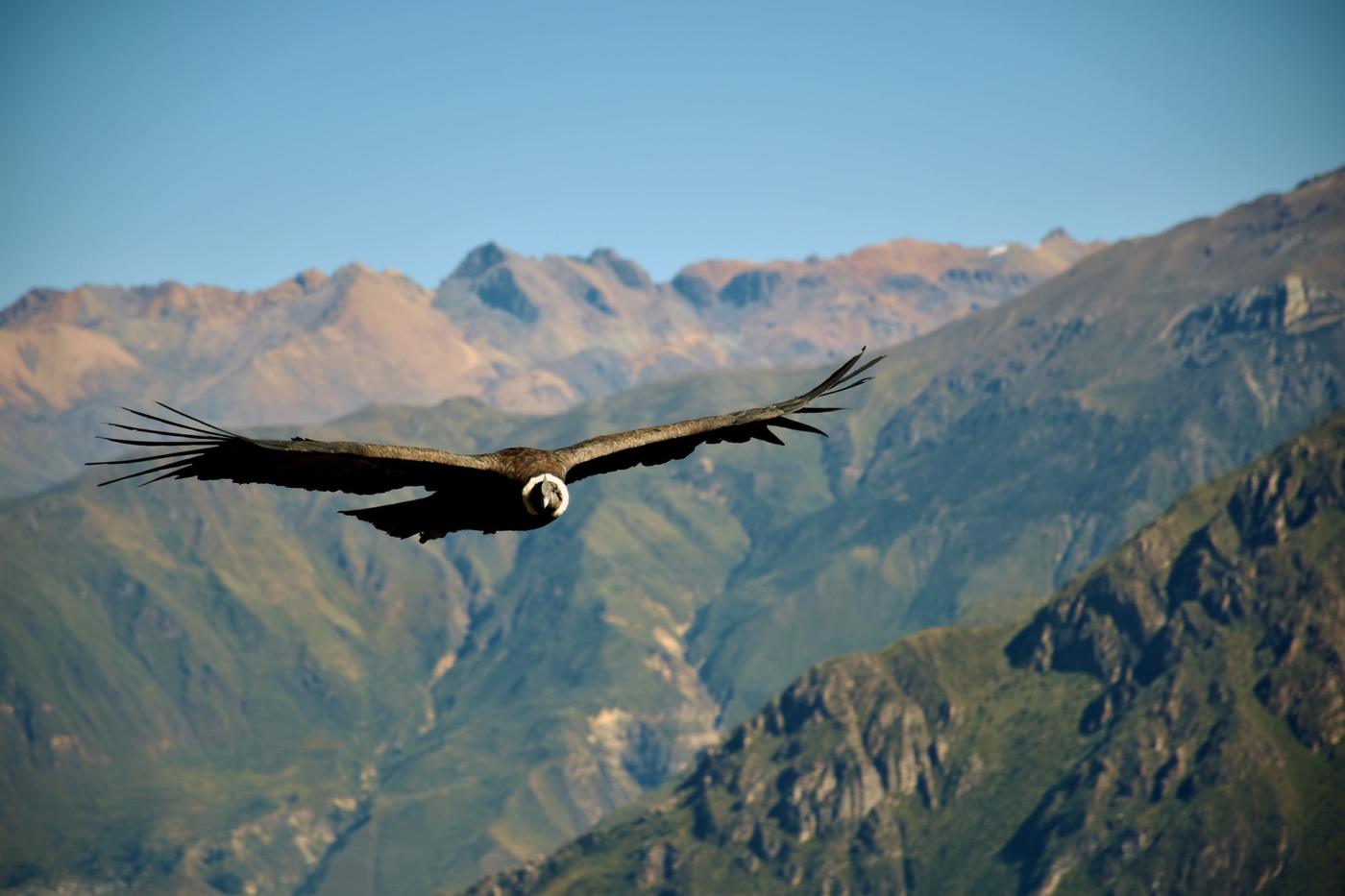
Two full days to explore, with a guided outing each day. You can do PUQIO Origen, a walk gathering herbs that ends with a soak in a natural hot pool; visit Yanque, the nearby village whose Church of the Immaculate Conception is a national monument; ride horses on old paths through the valley; see the pre-Inca site of Uyo Uyo; spend time with local weavers; or go to the Cruz del Cóndor lookout, since the Colca is one of the best places in South America to see Andean condors in the wild.
Other outings can be added, like a guided evening at the planetarium to see the southern sky, a hike through the Canocota Canyon to the Malata archaeological site, or a mule ride up to the Pinchollo geysers at 4,400 metres.
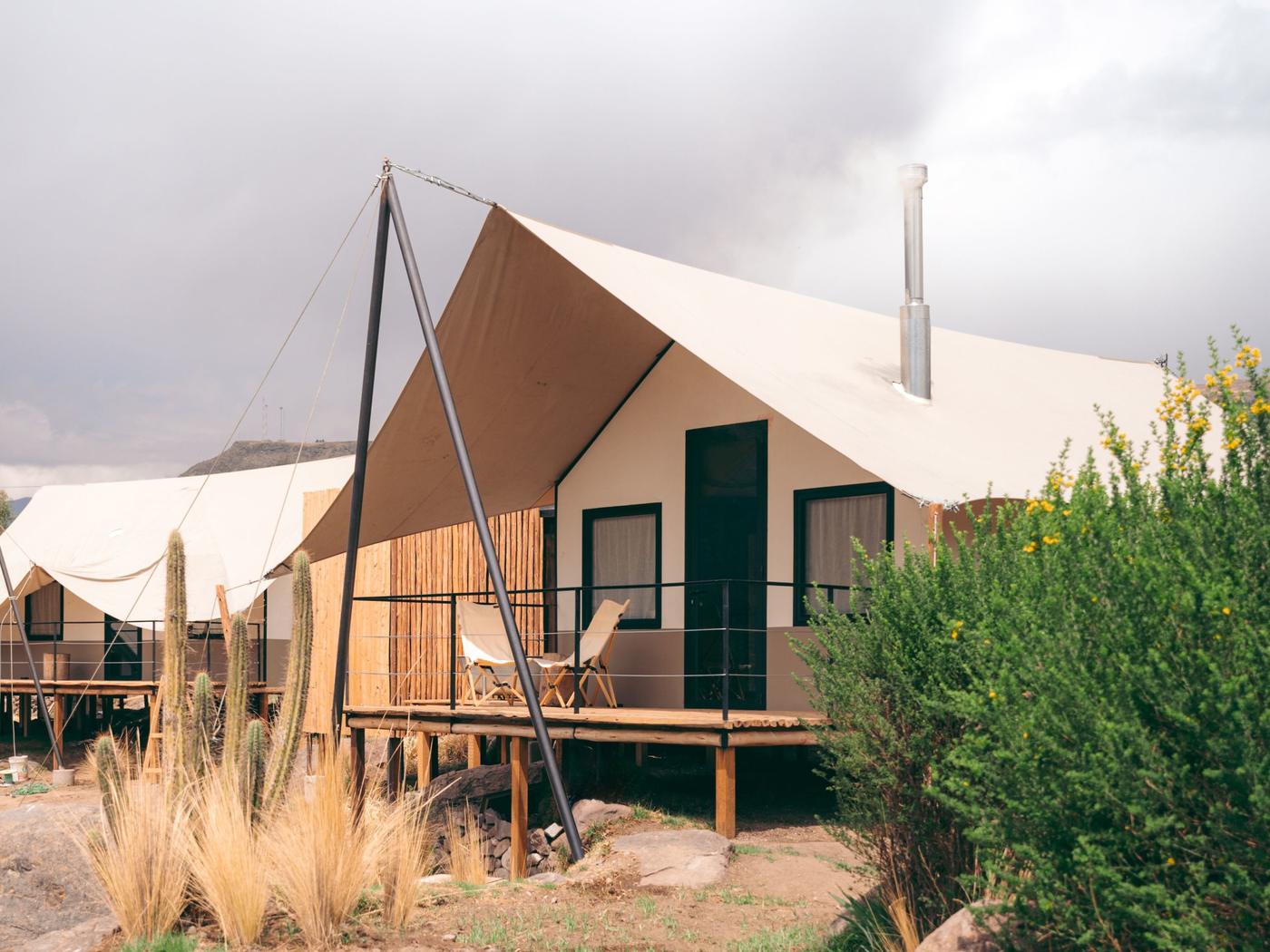
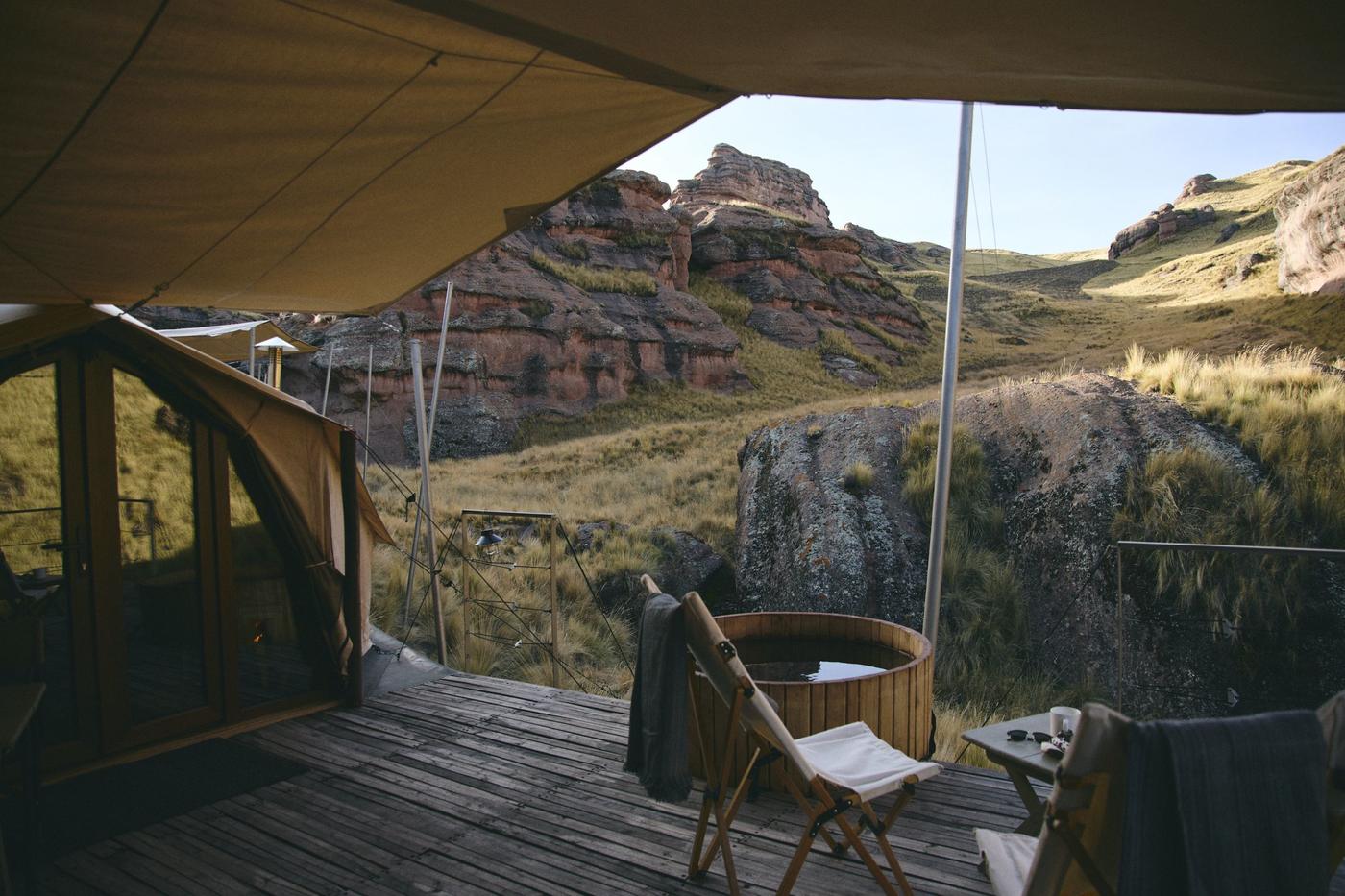
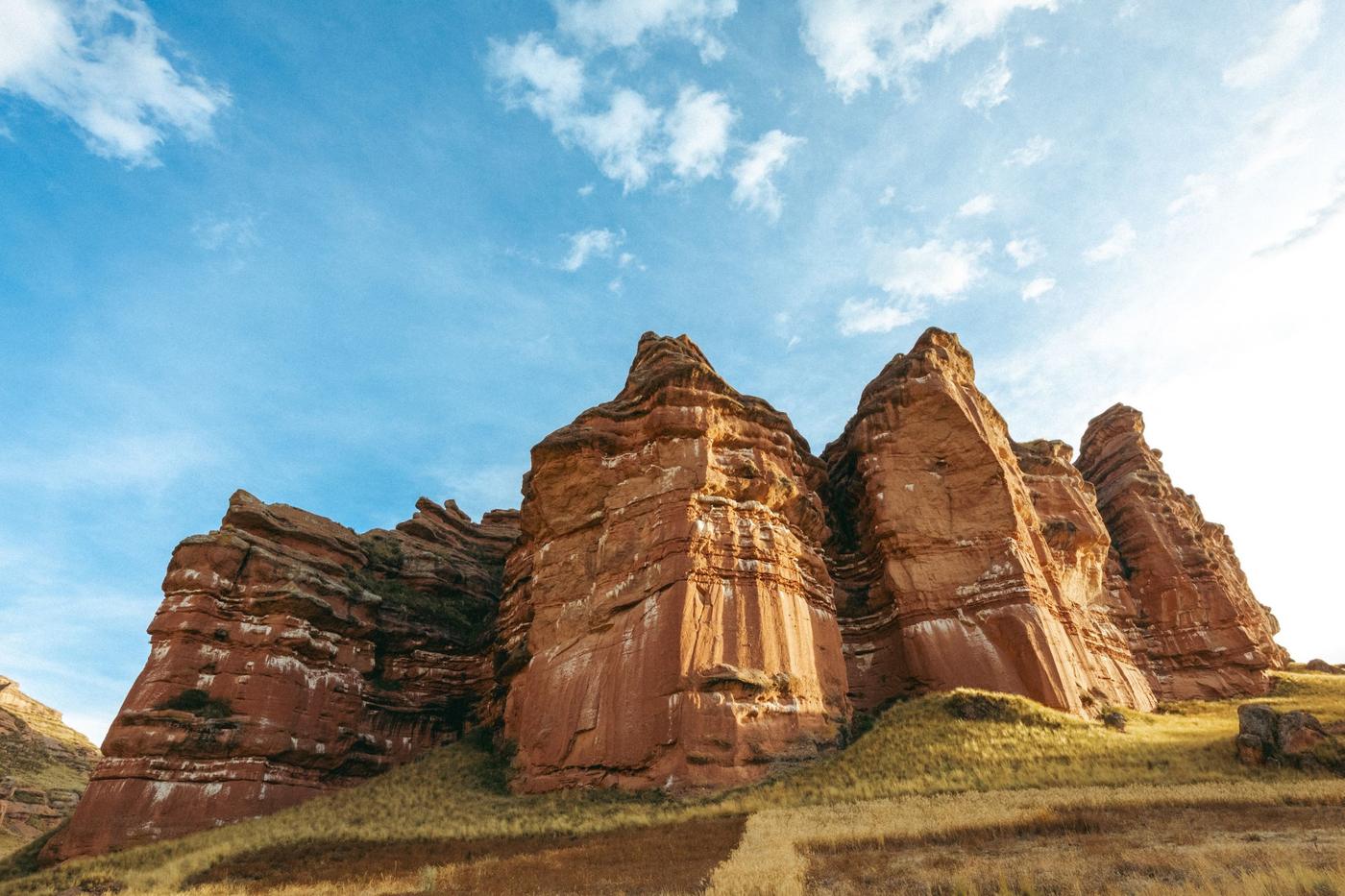
An early drive of four to five hours across the southern highlands, with the option of a stop in Lampa, a small town known for its pink buildings. Tinajani sits in a canyon of red sandstone towers at 3,895 metres, and each of its six tented suites has a bedroom tent, a lounge tent, a private bathroom, a hot tub, a wood stove and a terrace.
In the afternoon you can take a short walk to a rock formation or an archaeological site on the property, sit for a meditation at the hundred-year-old Qolle tree, or walk up to a lookout for sunset. The skies here are dark, and the stargazing is very good.
A full day in and around the canyon. You can hike to the rock formations the canyon's legends are built on, including the Devil's Seat and the two rocks called Tina and Ajani, or cover more ground by bike. The Puya de Raimondi forest is worth the trip: these plants, known as the Queen of the Andes, can grow more than 10 metres tall. A few minutes away by car, the town of Ayaviri has the church of San Francisco de Asís, built on the foundations of an Inca temple, and a little further on, Pucará has a museum and local crafts.
For a longer day out, the Cordillera Route is a full day by road through bare high country, small villages and rivers.
After breakfast, a drive of about four hours to Titilaka, with views of distant volcanoes and a good chance of seeing wild vicuñas on the way.
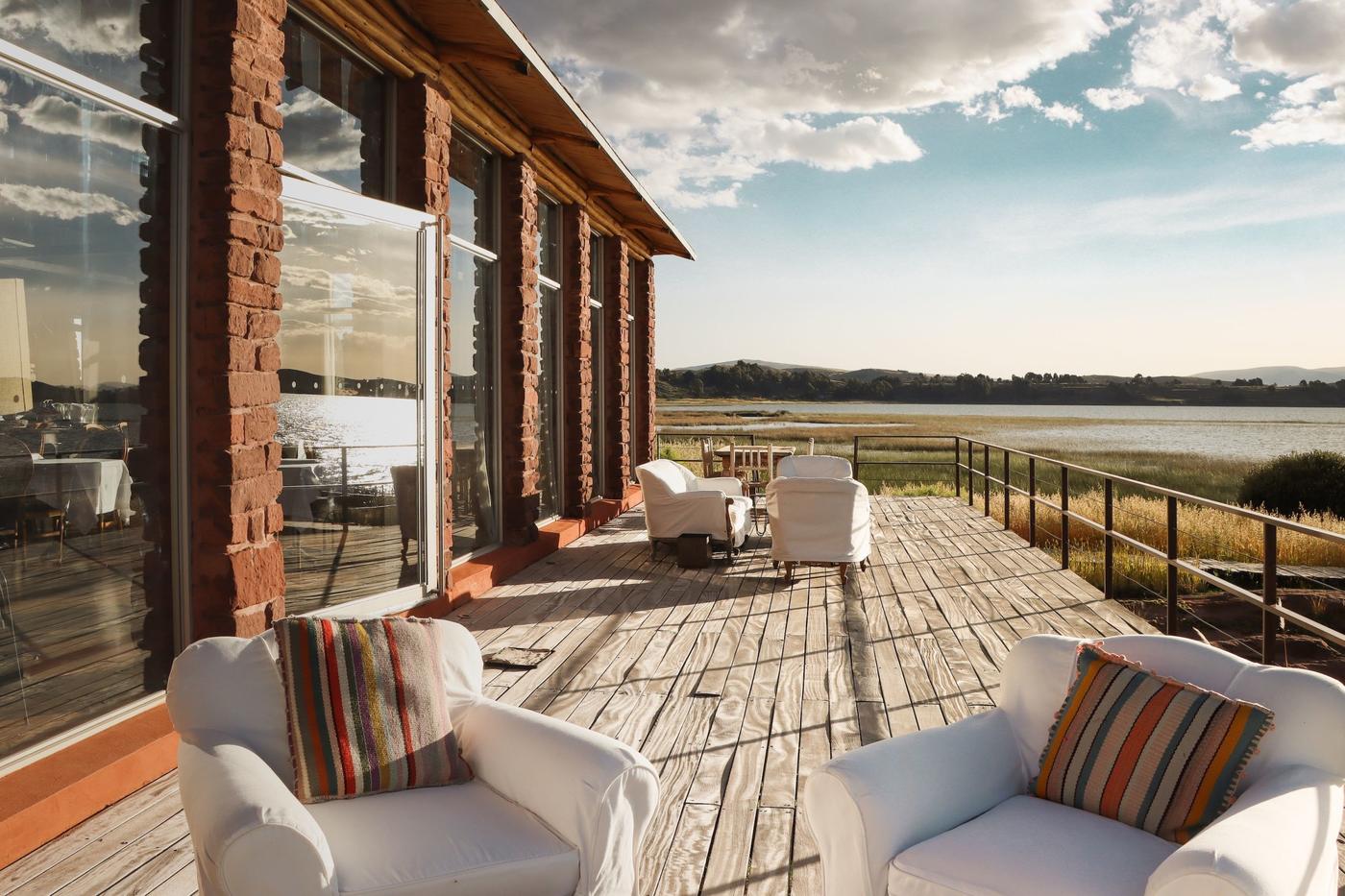
Titilaka sits on a small peninsula on Lake Titicaca, often called the highest navigable lake in the world, at 3,812 metres, and all 18 rooms look out over the water. Spend the afternoon at the lodge, in the hot tub or out on the lake in a kayak, and have a pisco sour by the fire before dinner.
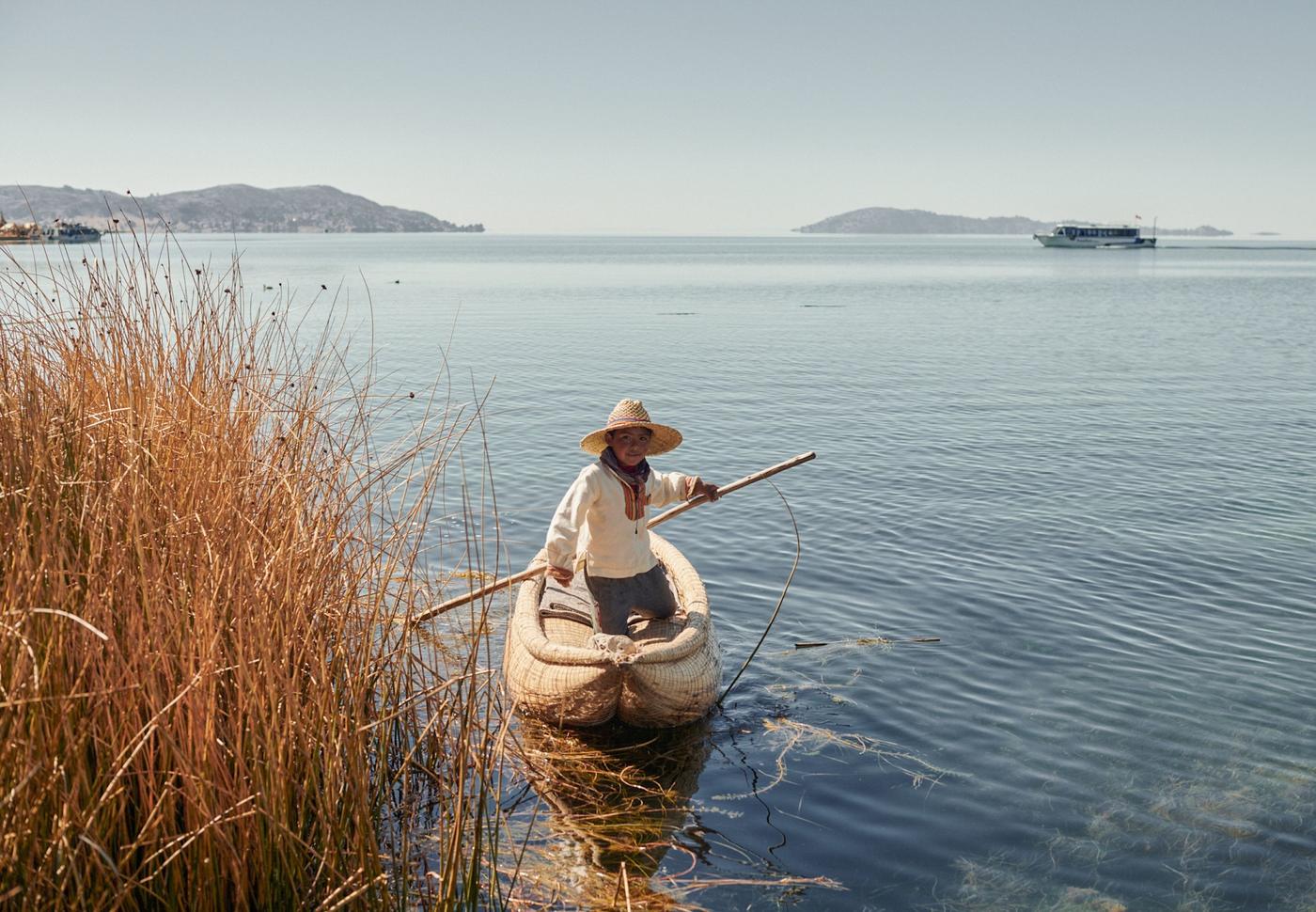
A full day on the lake with a private guide, about seven to nine hours. You visit one of the Uros floating islands, built from totora reeds, and meet the community that lives there, away from the crowds that gather near Puno.
On the way back the boat stops at Taquile, an island you can see from the lodge, where the Quechua community's weaving has been recognized by UNESCO. Lunch is outdoors, set up by the hotel, looking down over the lake.
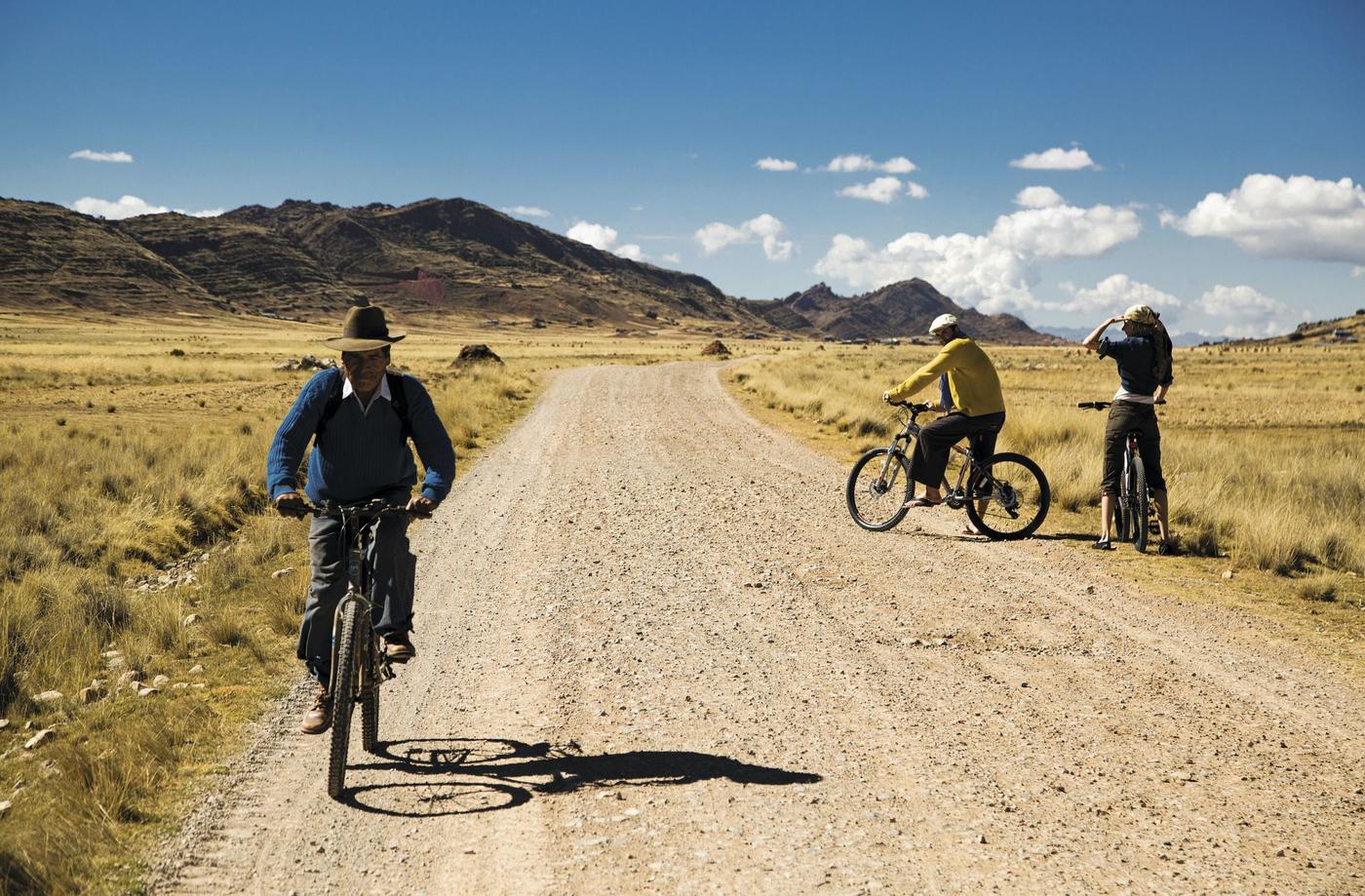
Titilaka is on the altiplano, the high, treeless plain between two ranges of the Andes and one of the highest inhabited places in the world. Today's options include the Aymara Route, a full day by mountain bike with a visit to a local community and a picnic facing Bolivia's Cordillera Real; Sillustani, the region's largest pre-Hispanic burial ground; a full-day hike on the old Colla Route to a summit that looks over 90% of the lake; and the archaeological sites of Molloco and Aramu Muru.
The lodge's boathouse has kayaks and paddleboards, and mornings are the calmest time to go out, before the wind picks up.
A private transfer takes you to Juliaca (JUL), about 90 minutes, for the 90-minute flight to Lima (LIM), where you connect home. We can also add a day tour or a night in Lima.
Seasons, rules and schedules can change, and we rely on our partners on the ground for the latest. Ask us before you plan around any of these answers and we'll double-check them.
Is the Colca Canyon deeper than the Grand Canyon?
Yes, about twice as deep. In places it drops more than 3,000 metres from the mountains on either side down to the river, and the Grand Canyon is about 1,800 metres deep. The Cotahuasi Canyon, also in the Arequipa region, is a little deeper still.
When is the best time to see condors in the Colca Canyon?
The best time is early morning, from about 8 to 10, when the condors ride the warm air rising out of the canyon. Most rest by late morning, and some fly again in the late afternoon. You can see them all year, but the dry months from about May to November give you the best chance. The Andean condor is one of the biggest flying birds in the world, with wings up to about 3.3 metres across.
Is the Santa Catalina Monastery in Arequipa worth visiting?
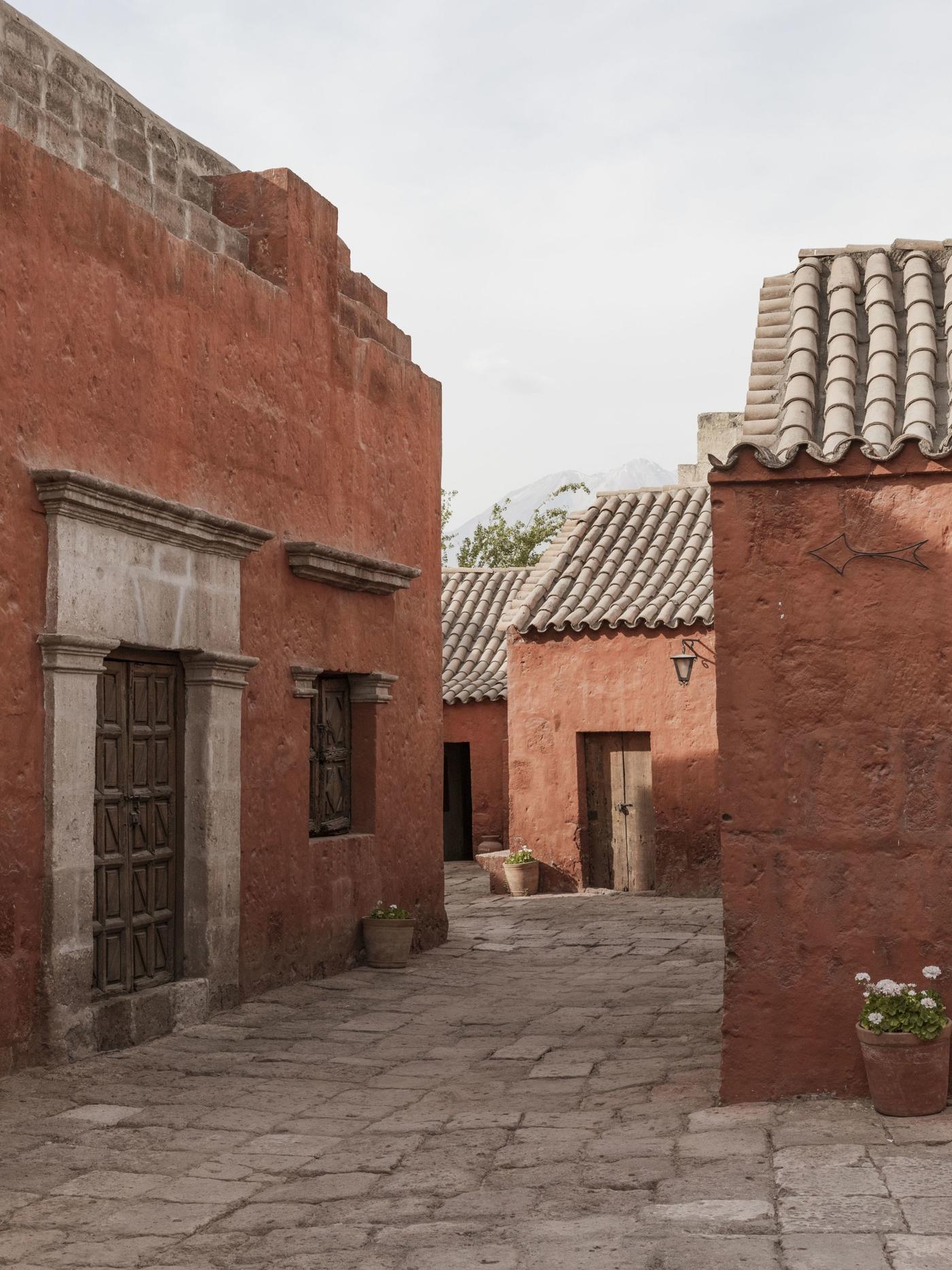
Yes. It's like a small walled town inside the city, with about 20,000 square metres of narrow streets, cloisters and brightly painted houses. The convent was founded in 1579, and outsiders weren't allowed in until 1970. Nuns still live in the northern part, and the rest is open to visitors.
How often does the Puya de Raimondi flower?
It flowers only once, and then the plant dies. In the wild, estimates of how long it takes to flower run from about 40 years to well over 100. The flower spike can carry from 8,000 to 20,000 small flowers. It's the largest bromeliad in the world, a relative of the pineapple.
How It Works
We Arrange All of It
Each trip idea is a starting point. We adjust the length, the pace and the hotels to suit you, then book and manage every part of it.
Flights. Booked with your points where they're worth the most, and with cash where they aren't.
Every transfer. Private drivers, boats and domestic flights between each stop, timed to your arrival.
Guides and tours. Booked for the days that suit you, private or shared.
The hotels. Booked directly with the properties we work with, with rooms matched to your group.
Support while you're away. If a flight cancels or plans change, you contact us and we sort it out.
Plan This Trip
We can run the route the other way, start from Cusco after Machu Picchu with the five-to-six-hour drive to Tinajani, or add a night in Lima before you fly home.
Every trip is priced for your dates. Send us rough dates and who's travelling, and we'll come back with the full plan.