This trip covers the parts of Peru most people come for, and after a first night in Lima it stays with one hotel group, Inkaterra, the whole way. You fly to Puerto Maldonado for two nights at a jungle lodge on the Madre de Dios River, then take the train to Machu Picchu and sleep at the foot of the ruins. From there you go back up to the Sacred Valley to a hacienda among the farms, then into Cusco for two nights in a 16th-century mansion, and you finish with two nights by the sea at Cabo Blanco on the northern coast.
The order is set by the altitude. Machu Picchu's ruins are at about 2,450 metres, the Sacred Valley hacienda at about 2,980 metres and Cusco at about 3,400 metres, so you climb in steps and don't sleep at the highest point until you're used to it. Every Inkaterra hotel runs guided outings with its own naturalists. It works well for couples, families and anyone on a first trip to Peru, though La Casona in Cusco is better suited to adults.
By Next Mile Travel · Updated
The Route
Itinerary
Day by Day
Day 1
Arrive in Lima
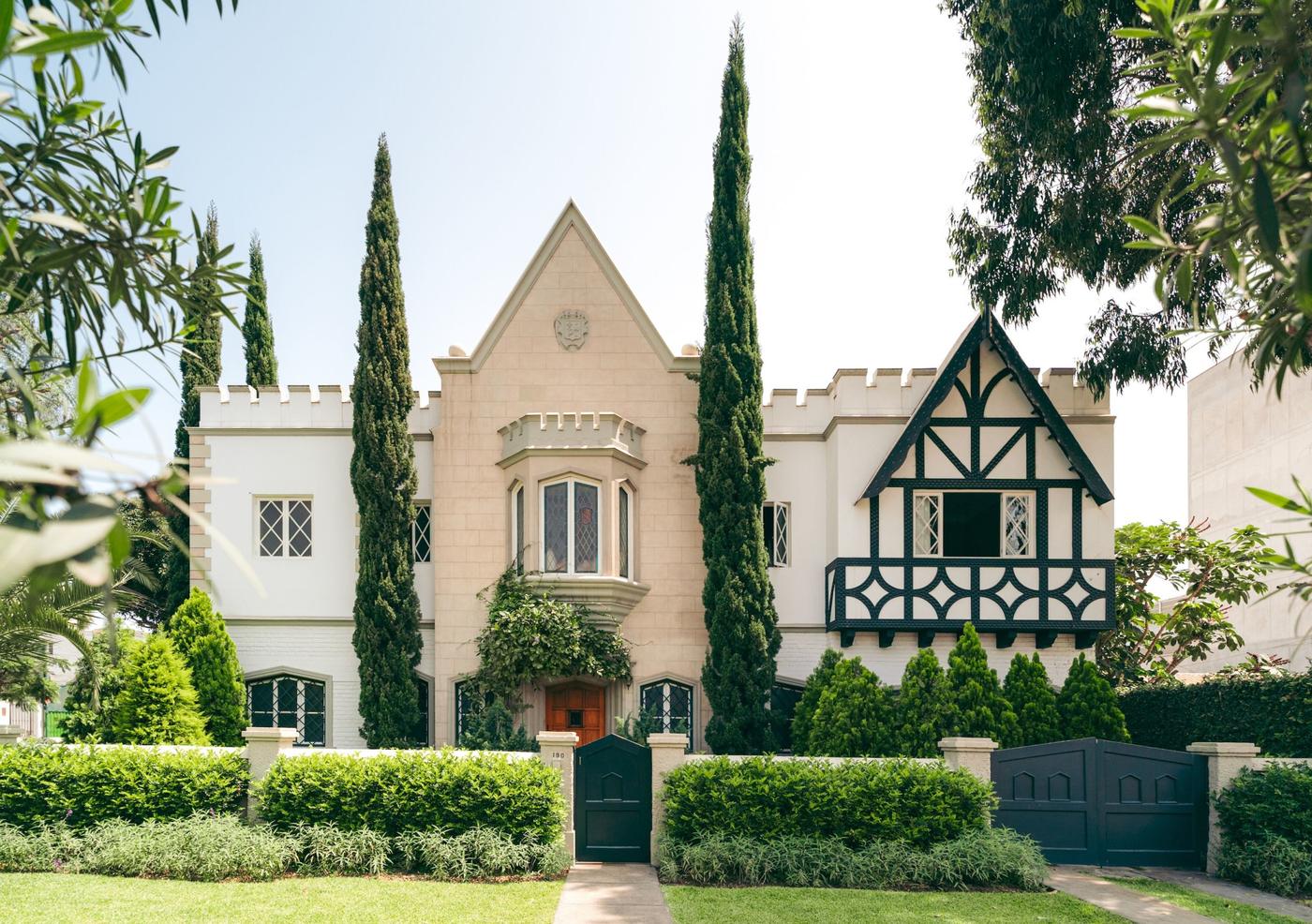
A private driver meets you at Lima's airport (LIM) and takes you to your hotel, Atemporal or Fausto. Lima is famous for its food, so if your flight gets in early enough we book dinner at the hotel or at a restaurant in the city.
If you land late in the evening, we book a hotel at the airport instead, ready for the morning flight to Puerto Maldonado.
Day 2
Lima to the Amazon
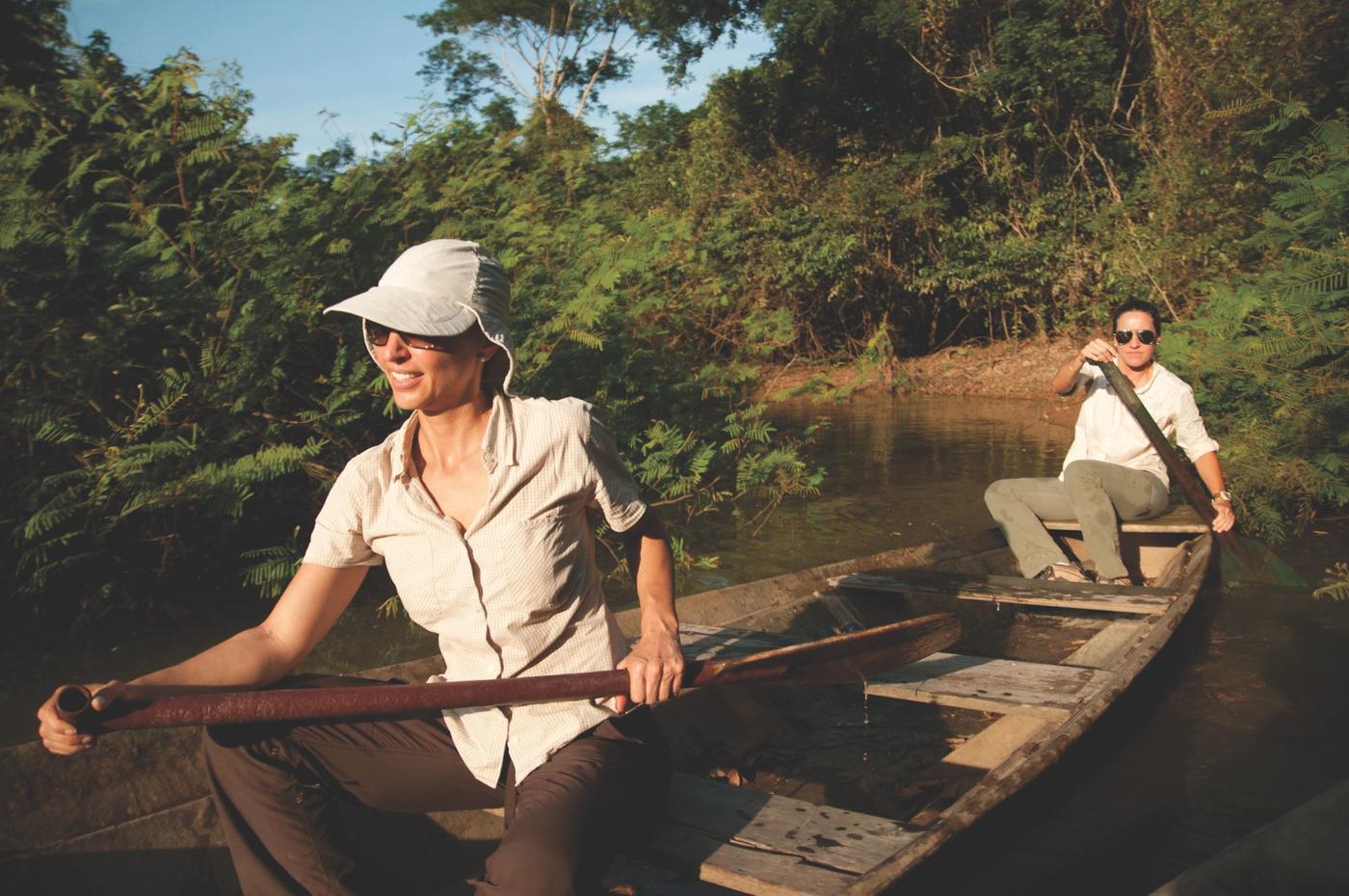
After breakfast you fly from Lima to Puerto Maldonado (PEM), about 75 minutes, the starting point for this part of the Peruvian Amazon. From the airport it's a short drive to the river, then about 30 minutes by motorized dugout canoe on the Madre de Dios River to Hacienda Concepción.
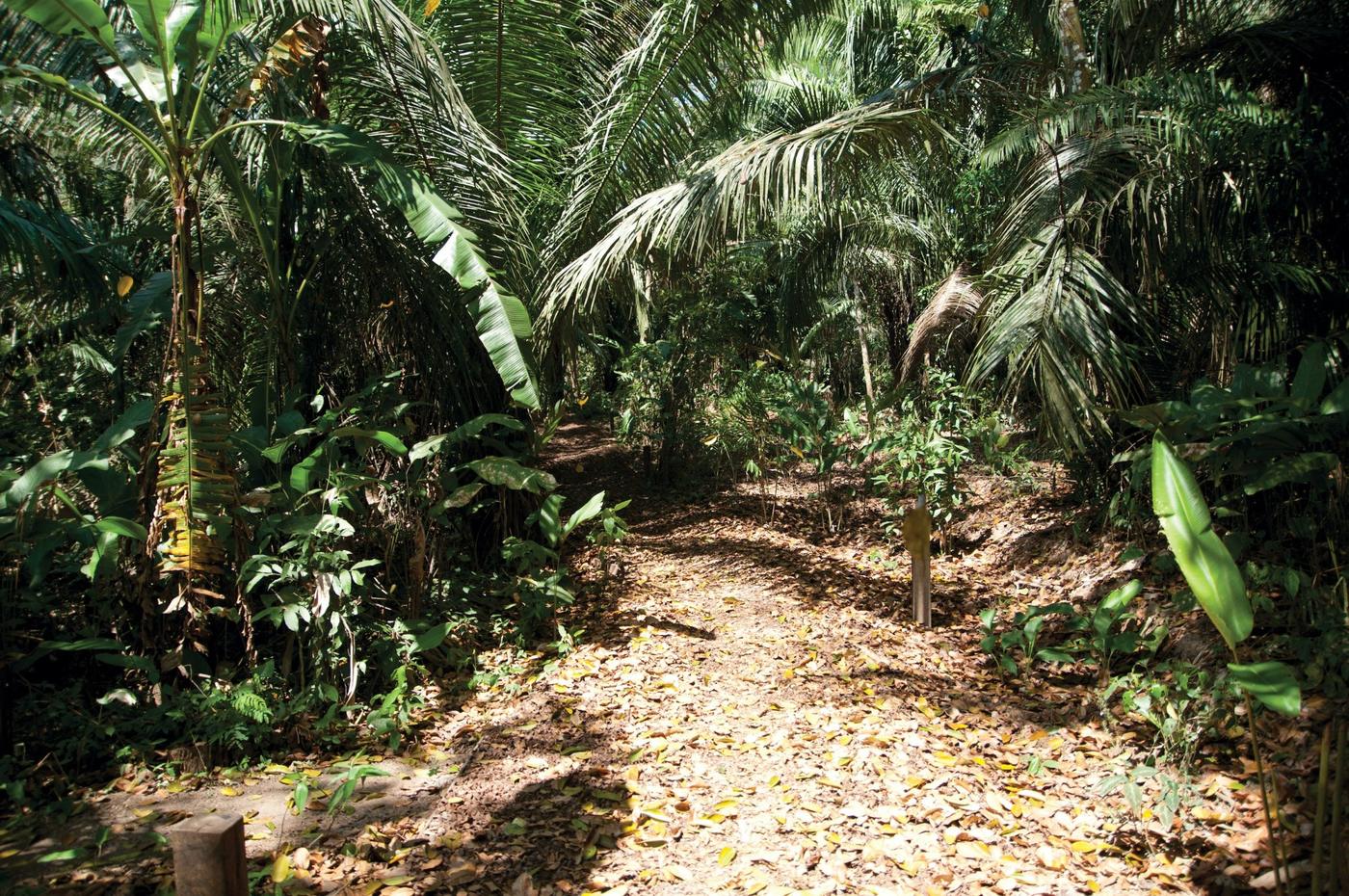
The lodge's thatched cabañas stand on raised platforms along gravel paths through the forest, between the river and a small lake, and howler monkeys, squirrel monkeys and caiman live right around it.
You spend the day with the lodge's guides and choose from a list of outings. Don't miss the canopy walkway, seven hanging bridges strung about 30 metres up in the treetops. You can also hike to Lake Sandoval and an inland clay lick, both good for wildlife and with a chance of giant river otters, or walk the trails and viewing platforms around the lodge.
After dark there's a canoe trip on the Madre de Dios, a good time for wildlife and the southern stars, or a guided night walk to look for animals you won't see during the day.
After a last canoe ride on the river, you fly from Puerto Maldonado to Cusco (CUZ), about 35 minutes. A driver takes you from Cusco airport to Ollantaytambo, about 90 minutes, for the 90-minute train ride down to Machu Picchu Pueblo. You pass through Cusco without stopping, since at about 3,400 metres it's the highest point of the trip and comes at the end.
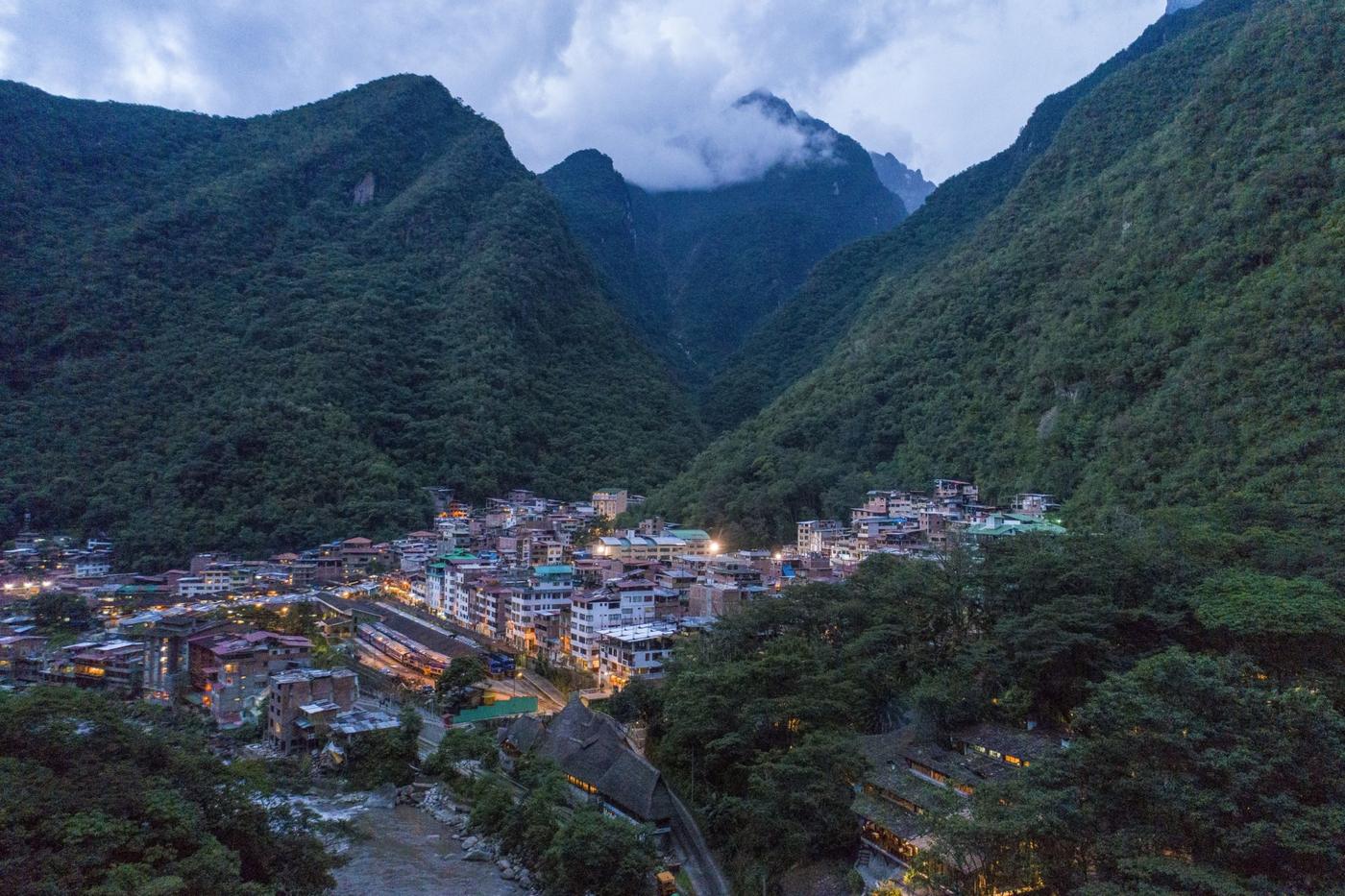
Inkaterra Machu Picchu Pueblo sits on 12 acres of cloud forest at the edge of town, and porters carry your bags from the station.
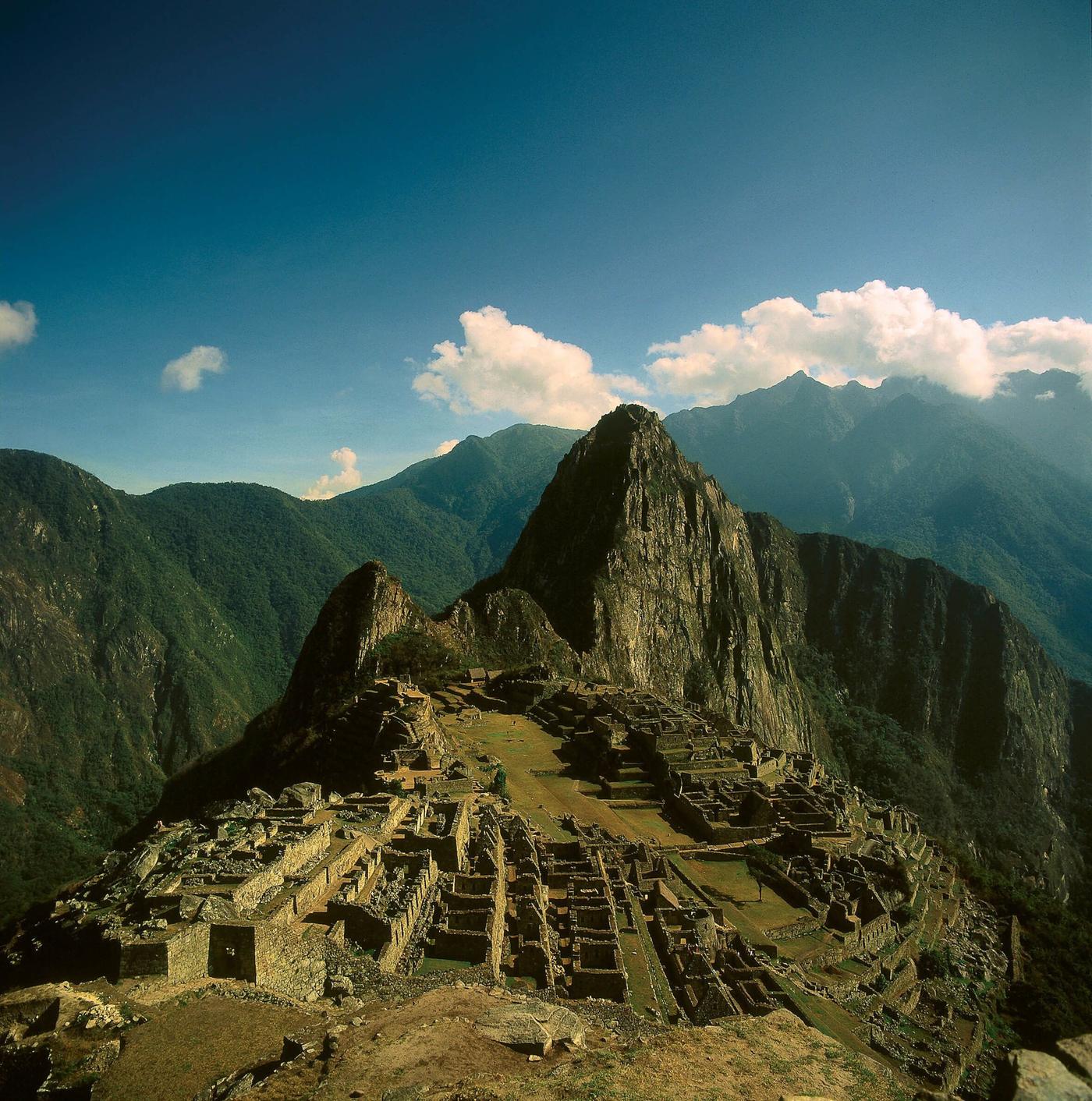
The whole day is for Machu Picchu. A short walk through town takes you to the bus, which climbs about 400 metres to the ruins at about 2,450 metres. You can hike up instead, about 2 kilometres, but we'd save your legs for the site itself. Take your time around the ruins, or climb Huayna Picchu or Machu Picchu Mountain for the view down over the whole site.
Before or after, depending on your entry time, there's more at the hotel: the Orchid Trail, with 372 native orchid species (not all in bloom at once), a guided twilight walk to the tea garden, a waterfall and pre-Inca rock paintings, and a spectacled bear rescue project nearby.
The train takes you back up the valley toward Cusco as far as Ollantaytambo, where a driver meets you for the drive to Hacienda Urubamba. At about 2,980 metres, the valley is a good place to get used to the altitude before Cusco.
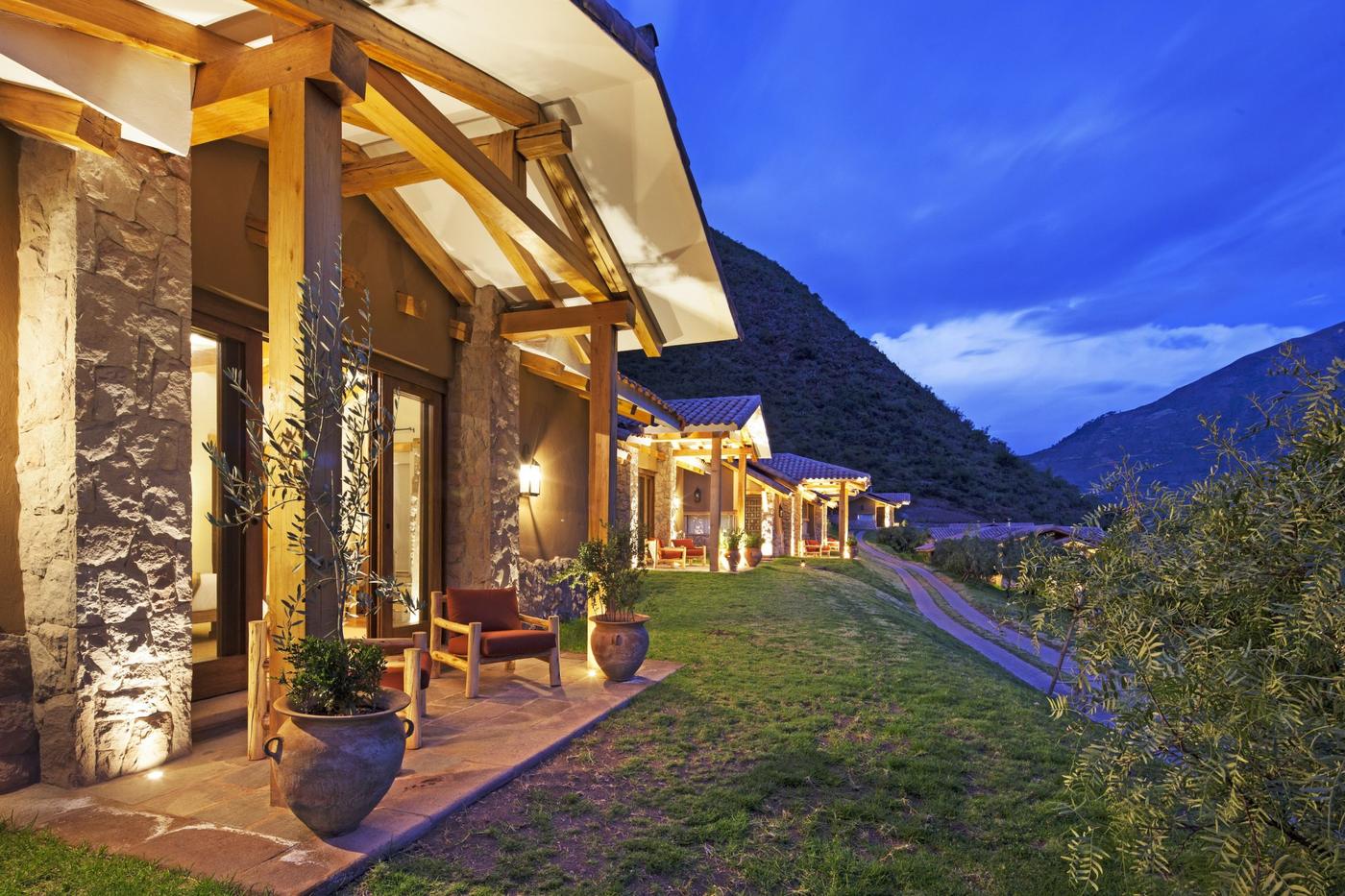
The hacienda sits on the edge of the valley among farmland, with mountain views all round. Spend the rest of the day on your porch or by the wood-burning stove, or join the guided twilight walk before dinner.
A full day in the valley, and you choose what to do with it. You can ride Peruvian Paso Fino horses on country paths through the villages, go mountain biking, raft the river through the valley (with one class III rapid), hike to Yanacocha Lagoon for the birds and the views, or visit the market and ruins at Pisac, or Chinchero for textiles and crafts.
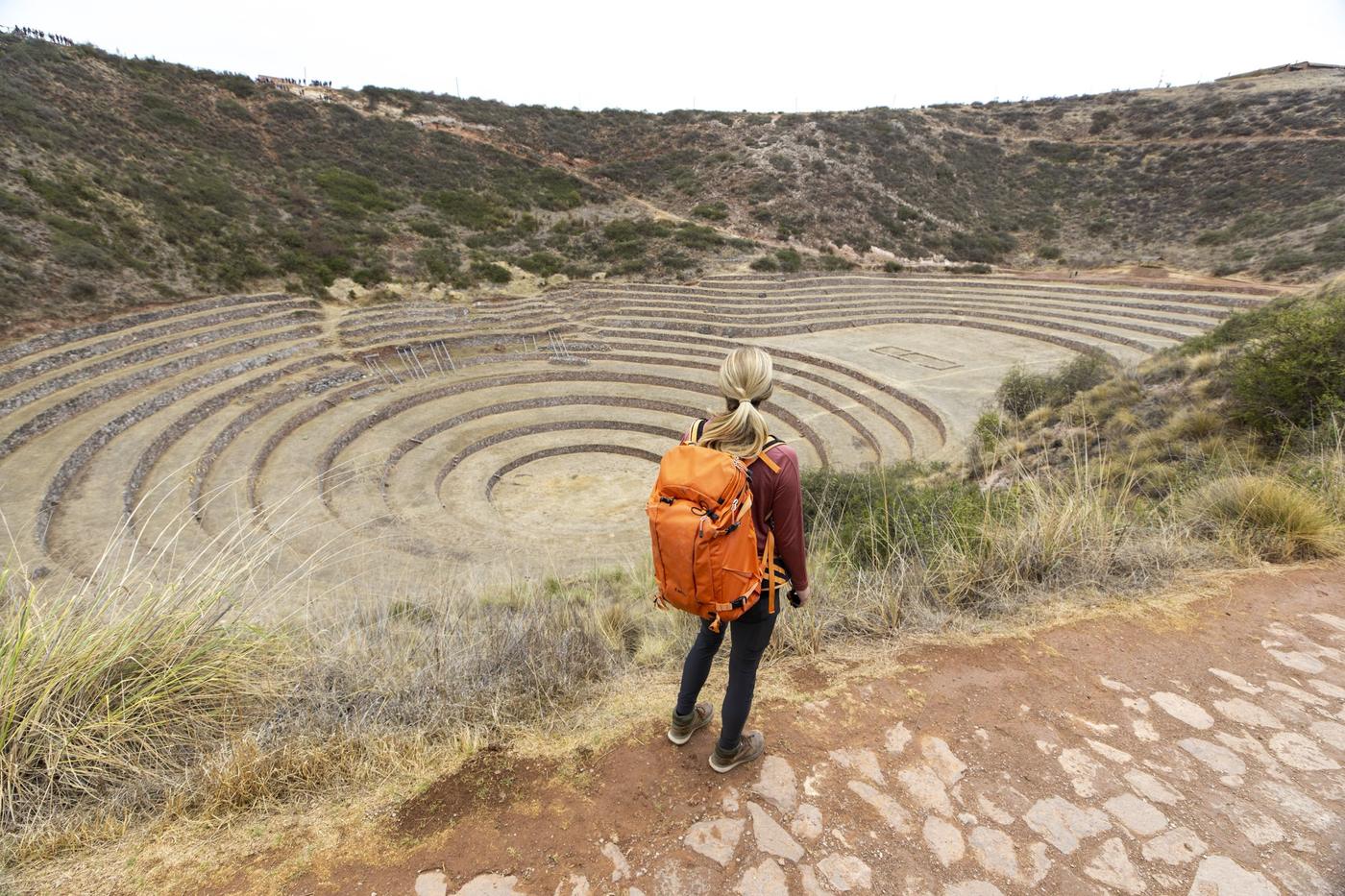
In the morning you visit two more sites in the valley: the Inca farming terraces at Moray and the salt pans at Maras.
After lunch back at the hacienda, it's a little over an hour by road to Cusco and La Casona, a 16th-century mansion on Plaza Nazarenas with 11 suites around a courtyard. Cusco is at about 3,400 metres, so take the evening easy.
A free day in Cusco. The cathedral is two blocks from La Casona, the San Blas neighbourhood is good for a wander, and you can visit Sacsayhuamán, an Inca fortress dedicated to the sun. There are lots of museums too, and some very good restaurants. We can book a guide for any of it, or leave the day open.
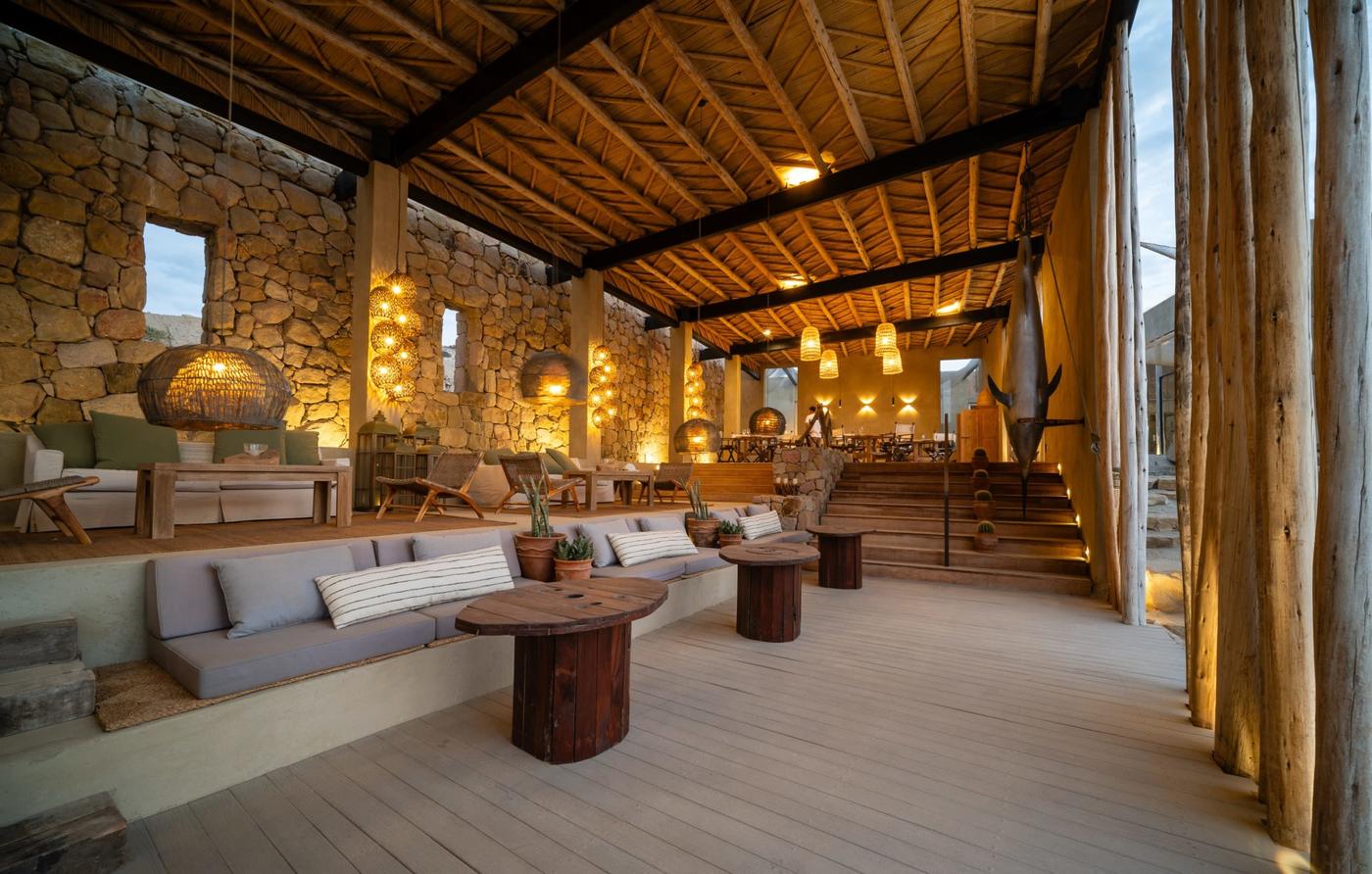
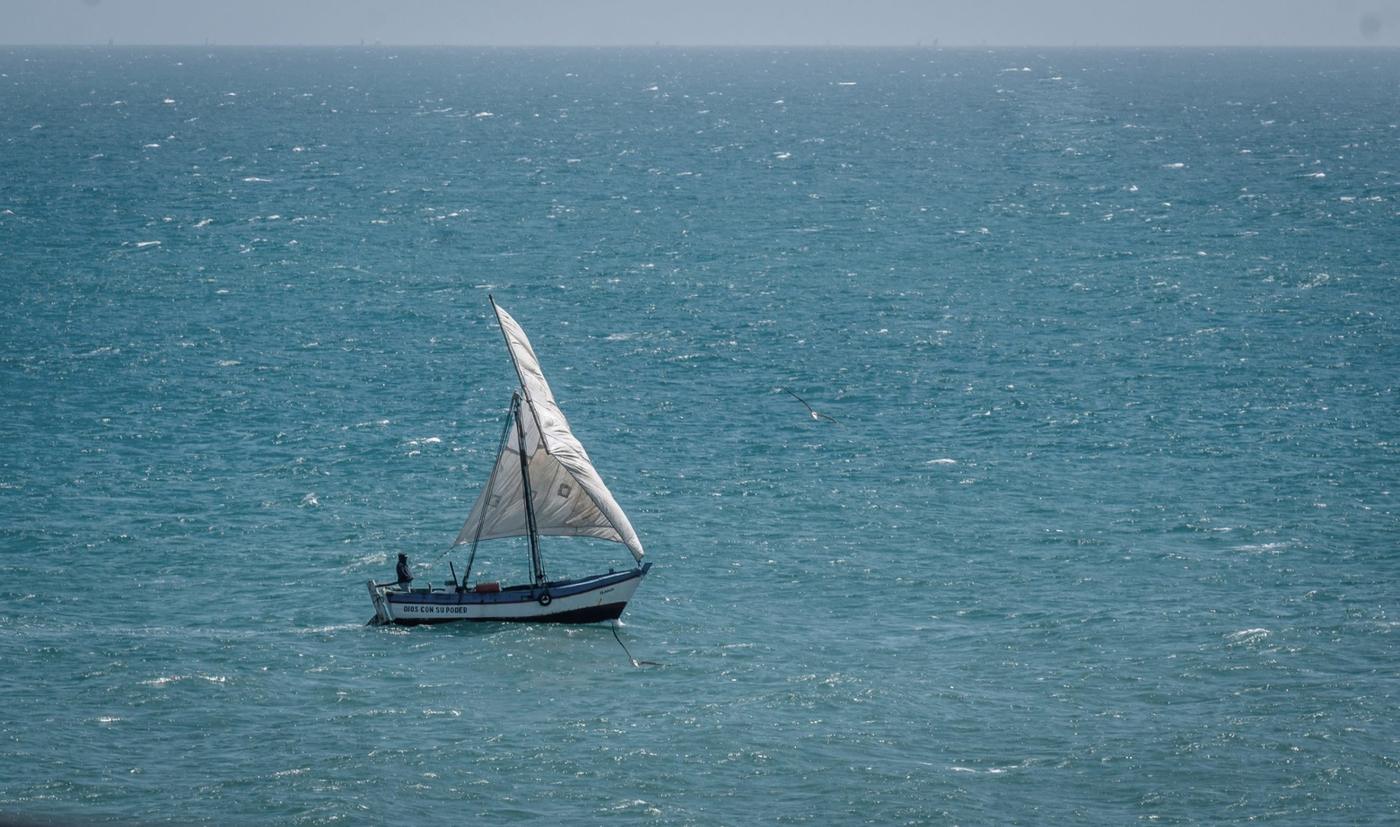
A day on the coast. You can go out for marlin, the fish that made Cabo Blanco famous when Hemingway fished here in the 1950s. You can also go sailing or snorkelling, or do yoga by the pool. The long left-hand wave off the point is for experienced surfers. From July to November you can go out to see humpback whales too.
Have a last morning by the sea, with time for a yoga class or a short outing if your flight allows, then a driver takes you to Talara airport, about an hour, for the flight to Lima and your connection home.
Seasons, rules and schedules can change, and we rely on our partners on the ground for the latest. Ask us before you plan around any of these answers and we'll double-check them.
What's the difference between Hacienda Concepción and Reserva Amazónica?
Reserva Amazónica is the bigger lodge, and Hacienda Concepción is smaller, with a lake of its own. Reserva has 35 rooms, about 7 kilometres of trails and the Canopy Treehouse, where you can sleep 21 metres up. Concepción has 30 rooms and began as a house a Spanish doctor built among cacao and rubber plantations after arriving in the 1950s. They're sister lodges about 35 minutes apart on the Madre de Dios River, and both take you to Lake Sandoval.
Are Moray and Maras worth visiting?
Yes, and they're very different from each other. At Moray the Incas built rings of terraces down into natural hollows in the ground, and the largest is about 30 metres deep. The temperature changes from one level to the next, so many think the terraces were used to test crops. Maras is a hillside of about 3,000 salt pools fed by a salty spring, and local families still harvest the salt by hand.
Why is Cabo Blanco in Peru famous for marlin?
It sits where the cold Humboldt Current meets warmer water from the north, and the plankton there feeds the anchovies that draw the marlin. In August 1953 Alfred Glassell landed a 707-kilogram black marlin off Cabo Blanco, and it's still the largest bony fish ever caught on rod and reel. Hemingway spent several weeks here during the filming of The Old Man and the Sea.
How It Works
We Arrange All of It
Each trip idea is a starting point. We adjust the length, the pace and the hotels to suit you, then book and manage every part of it.
Flights. Booked with your points where they're worth the most, and with cash where they aren't.
Every transfer. Private drivers, boats and domestic flights between each stop, timed to your arrival.
Guides and tours. Booked for the days that suit you, private or shared.
The hotels. Booked directly with the properties we work with, with rooms matched to your group.
Support while you're away. If a flight cancels or plans change, you contact us and we sort it out.
Plan This Trip
We can swap the Amazon lodge for Reserva Amazónica, add a night in the Sacred Valley or Cusco, or leave out Cabo Blanco and fly home from Cusco through Lima.
Every trip is priced for your dates. Send us rough dates and who's travelling, and we'll come back with the full plan.