This trip loops through Namibia by road in a week, starting and ending in Windhoek. You drive about four hours to Kwessi Dunes in the NamibRand Nature Reserve for two nights, with a morning at Sossusvlei and Deadvlei. Then you head north to Swakopmund for a night on the Atlantic at the Strand Hotel. From the coast you go inland to Camp Doros in Damaraland for two nights of tracking desert-adapted black rhino, and you finish with two nights at Etosha Oberland Lodge, just outside Etosha National Park.
The drives take three to four hours each, and every stop is different. You go from red dunes and dark skies to a seaside town, then to rocky desert and the big game of Etosha. It suits couples, friends and anyone on a first trip to Namibia.
By Next Mile Travel · Updated
The Route
Itinerary
Day by Day
Day 1
Windhoek to the NamibRand
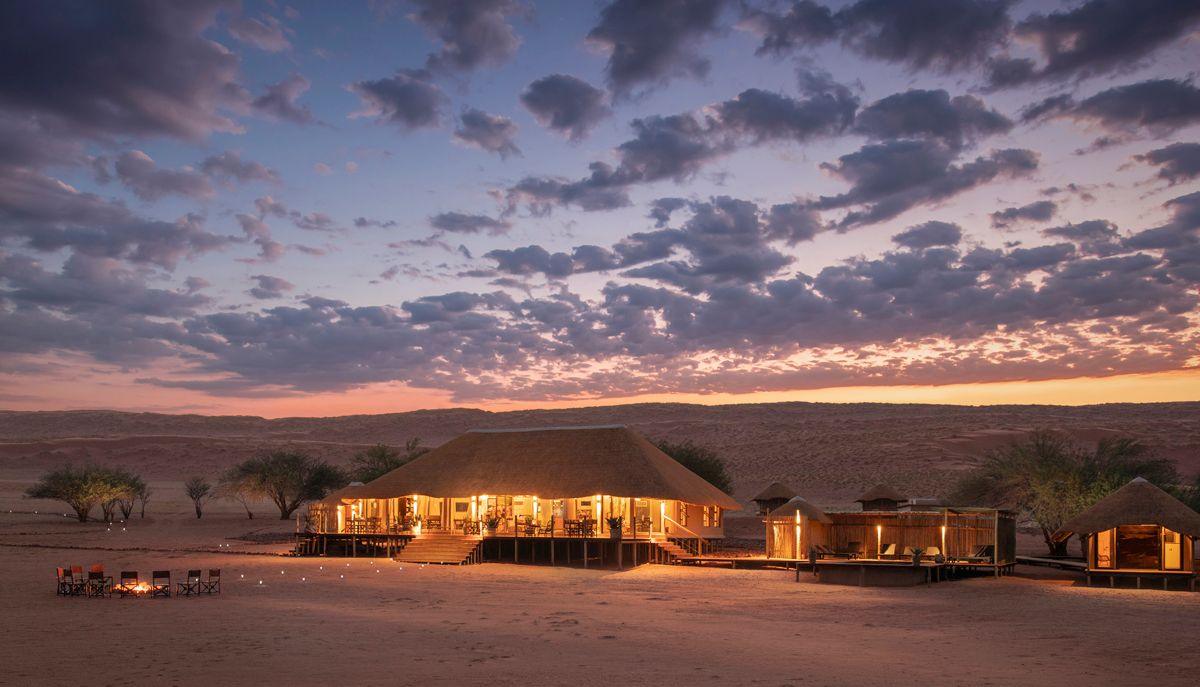
We meet you at Windhoek's airport (WDH), and from there it's about four hours by road to Kwessi Dunes in the NamibRand Nature Reserve. The camp has 12 thatched chalets, and each has its own open-air room for watching the stars. The NamibRand was the first place in Africa named an International Dark Sky Reserve.
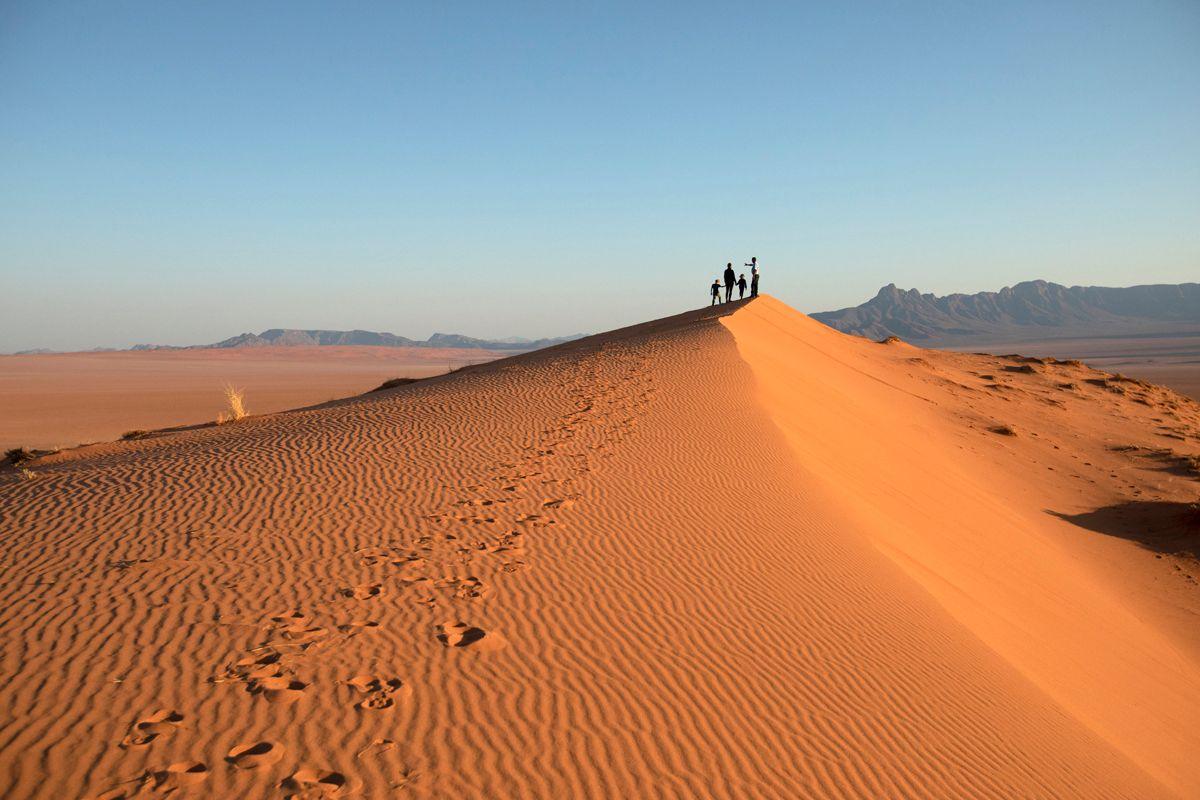
You leave early for Sossusvlei and Deadvlei, where tall red dunes surround pale pans dotted with the skeletons of old camel thorn trees. Brunch is set out in the dunes in the shade of a camel thorn.
In the afternoon you can ride a quad bike or a horse, go on a scenic drive or walk, or book a balloon flight.
It's about four hours by road from the dunes to Swakopmund, where the desert meets the Atlantic. The Strand Hotel is on the Mole with the sea on three sides.
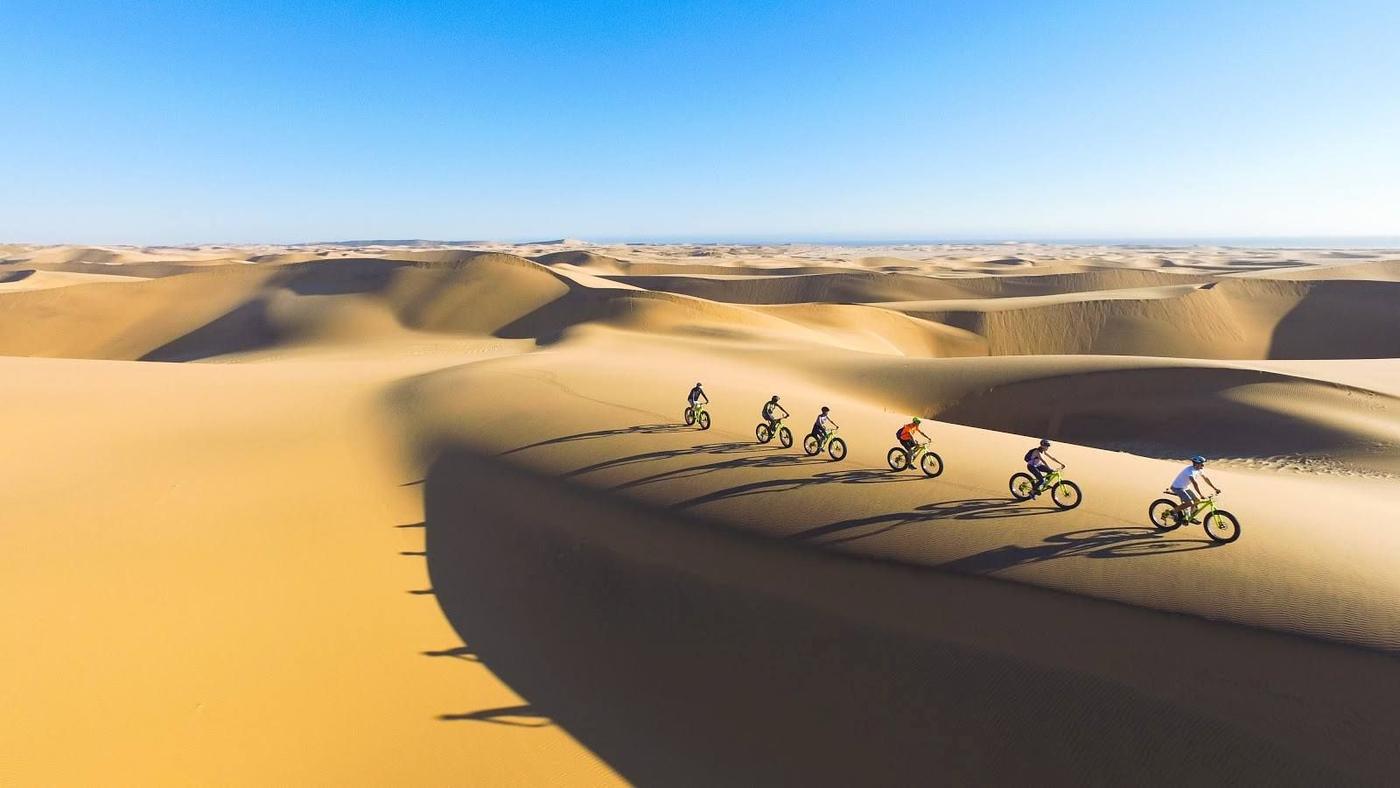
The hotel's activities office can book you a catamaran trip to see dolphins and seals, a drive to Sandwich Harbour or quad biking and sandboarding in the dunes.
From the coast it's about three hours inland to Damaraland, a dry and rocky region known for its desert-adapted elephant and rhino. At the Onduli airstrip a guide from Camp Doros meets you for the 75-minute nature drive into camp.
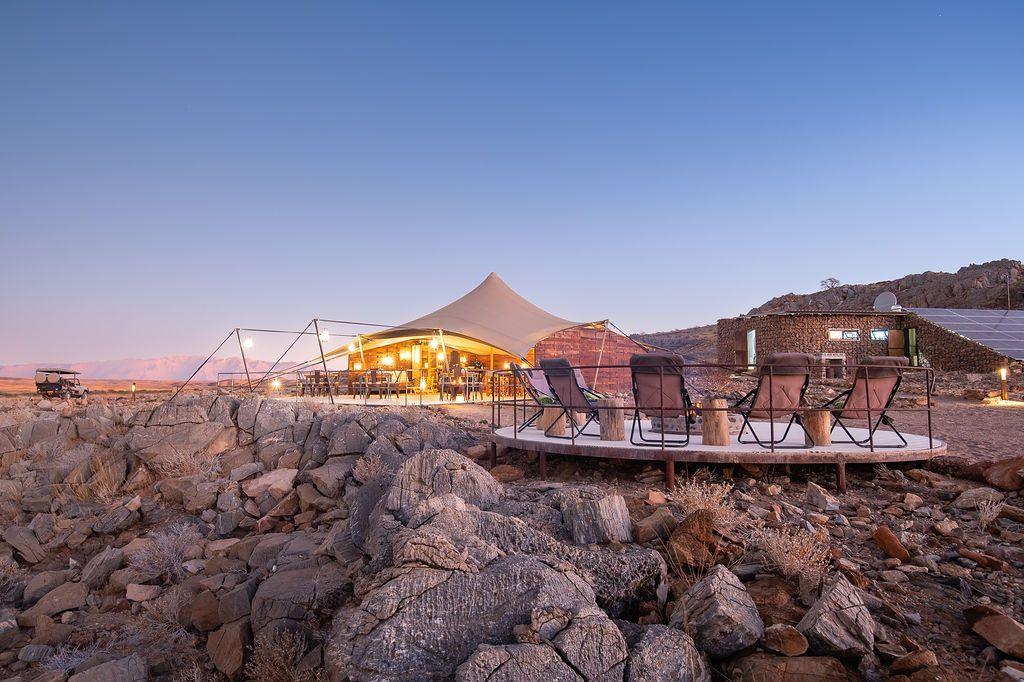
The camp has six tents on a high bank above a dry riverbed, with a plunge pool and a campfire deck.
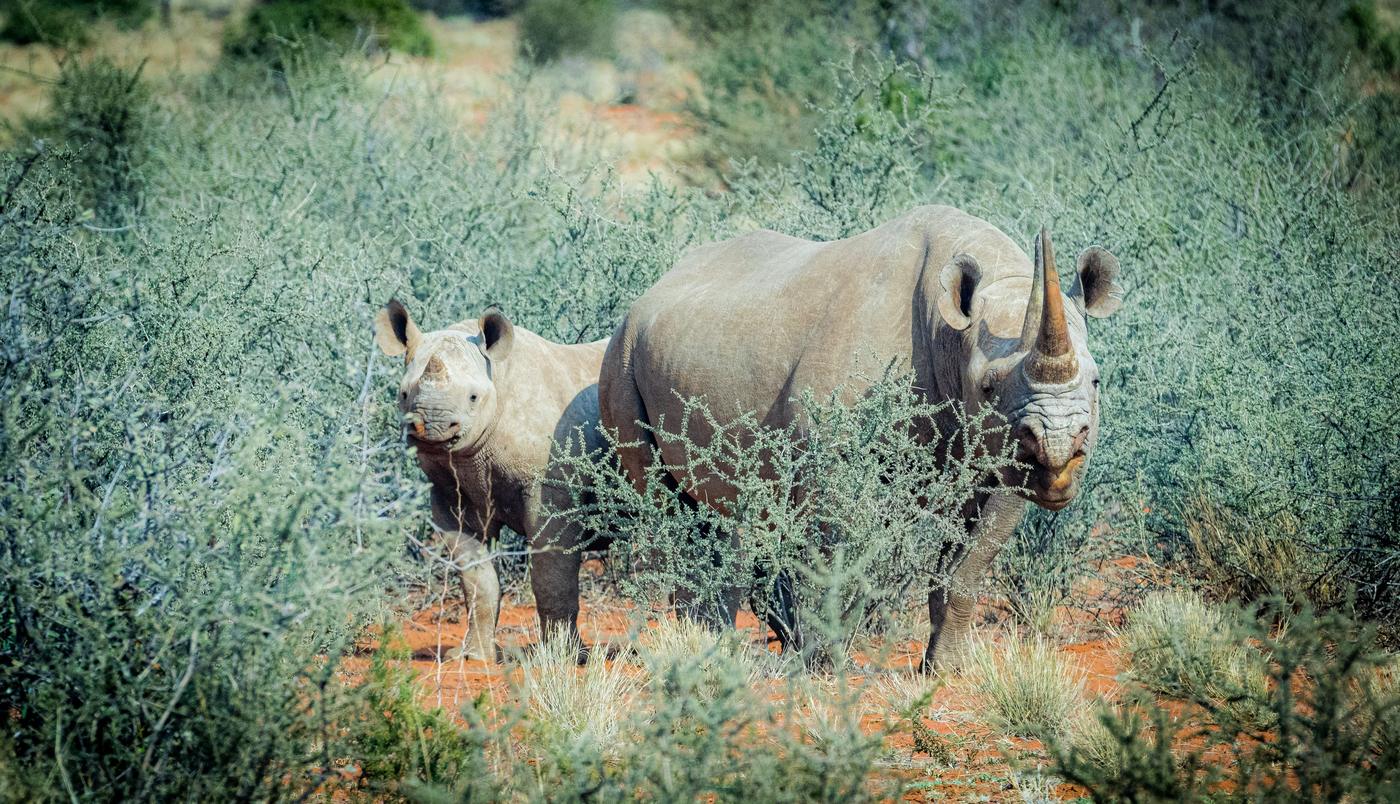
You go out with rhino rangers from Save the Rhino Trust to find desert-adapted black rhino. There are also nature drives, walks and guided e-bike rides.
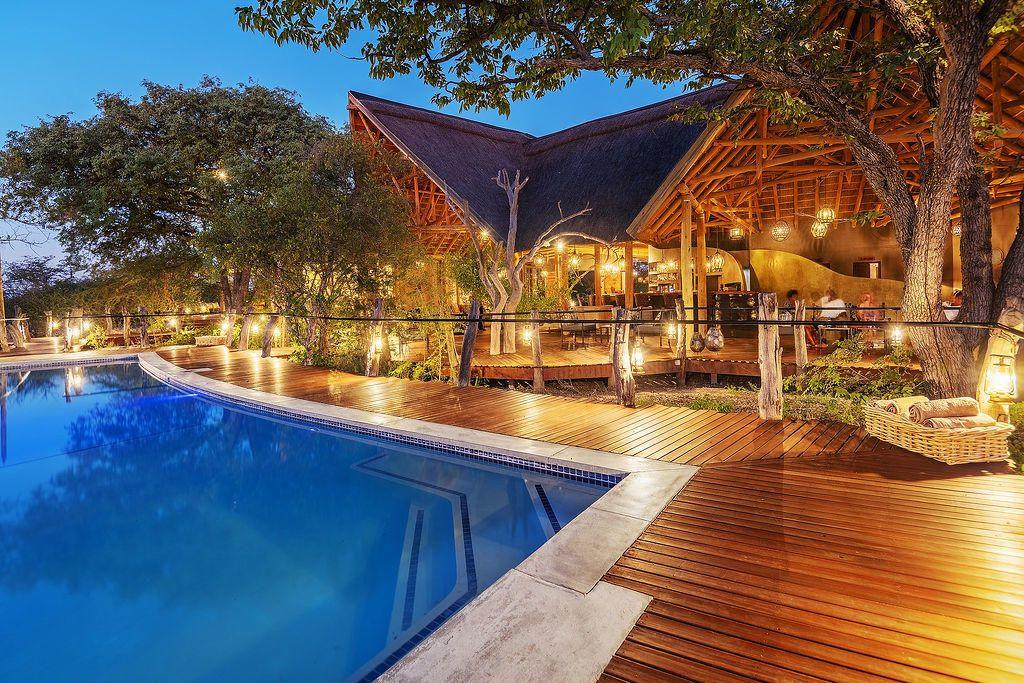
It's about three hours by road to Etosha Oberland Lodge, on a private reserve 10 kilometres from Andersson Gate, the southern entrance to Etosha National Park. The lodge looks out over two waterholes, and dinner is five courses, often served out on the deck.
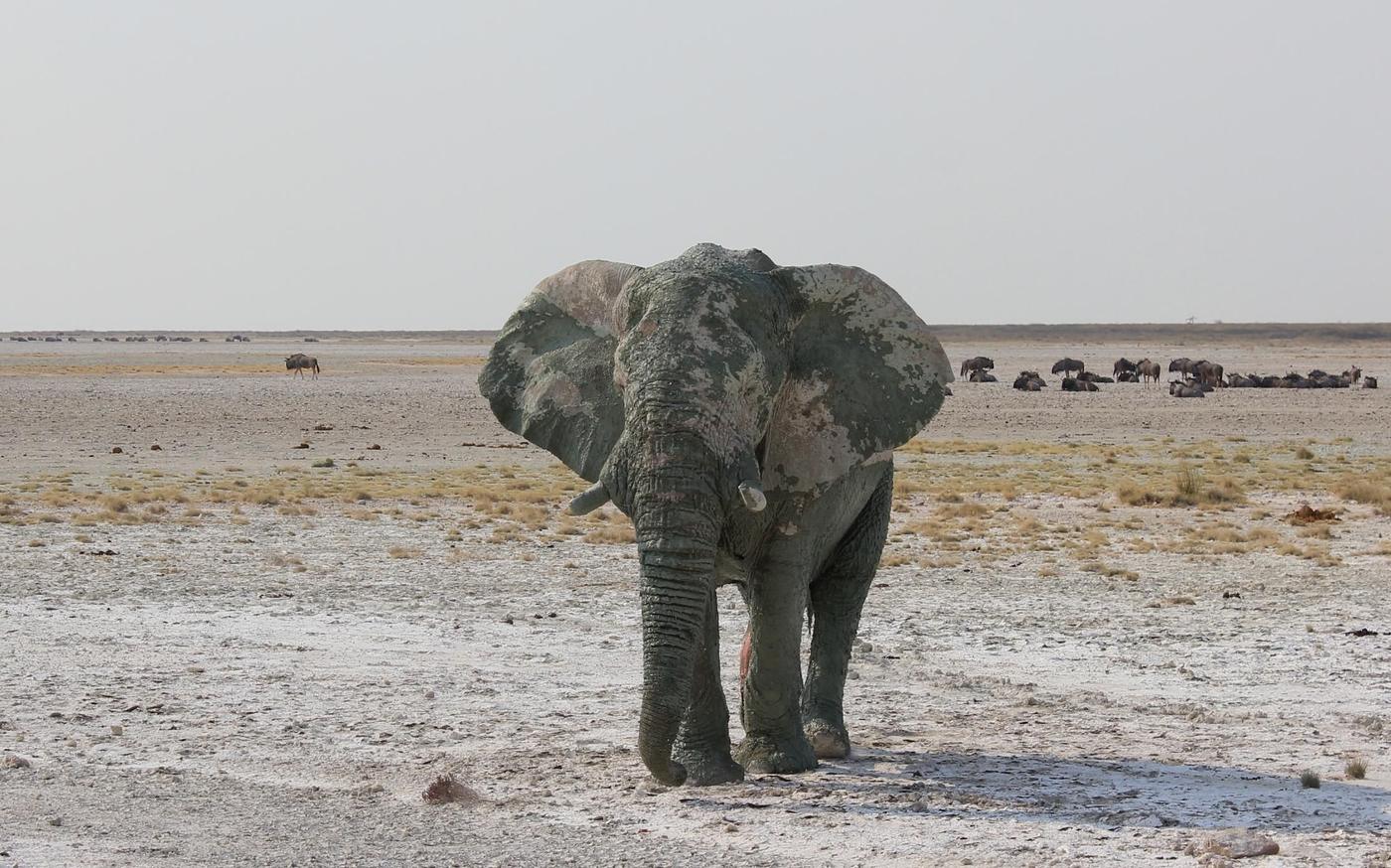
You spend seven to eight hours in Etosha National Park with a local guide. The park is built around the Etosha Pan, a dry salt lake 120 kilometres long. Its waterholes draw elephant, rhino and lion.
Back at the lodge there are bush walks on the reserve.
Seasons, rules and schedules can change, and we rely on our partners on the ground for the latest. Ask us before you plan around any of these answers and we'll double-check them.
How old are the dead trees in Deadvlei?
The camel thorn trees in Deadvlei died about 600 to 700 years ago. About 900 years ago the dunes cut the pan off from the Tsauchab River, whose floods had let the trees grow there. The air is so dry that they've never rotted. They still stand where they died, below dunes of more than 300 metres.
What are the fairy circles in the NamibRand?
They're round, bare patches in the grass, about 2 to 12 metres across. They're found in a band about 160 kilometres inland that runs from Angola into South Africa, and each circle lasts roughly 30 to 60 years. Nobody has proved what makes them. One idea is that sand termites kill the grass, and the other is that the grasses space themselves out to share what little water there is.
Is the NamibRand good for stargazing?
Yes. When the NamibRand was named an International Dark Sky Reserve in May 2012, it was given Gold tier, the highest of the three grades. The reserve covers more than 200,000 hectares of private desert with only a few lodges, so there's very little artificial light.
How rare are the desert black rhino in Damaraland?
They're very rare, and they're among the last rhinos in the world still roaming free on open, unfenced land. By 1982 poaching had left fewer than 50 in Damaraland and the Kaokoveld. Save the Rhino Trust was set up that year, and its rangers have tracked and protected them on foot ever since.
How It Works
We Arrange All of It
Each trip idea is a starting point. We adjust the length, the pace and the hotels to suit you, then book and manage every part of it.
Flights. Booked with your points where they're worth the most, and with cash where they aren't.
Every transfer. Private drivers, boats and domestic flights between each stop, timed to your arrival.
Guides and tours. Booked for the days that suit you, private or shared.
The hotels. Booked directly with the properties we work with, with rooms matched to your group.
Support while you're away. If a flight cancels or plans change, you contact us and we sort it out.
Plan This Trip
We can fly some of the legs by light aircraft to save time on the road, add a third night at Camp Doros for the desert elephants and rock art, or add a second night in Swakopmund for an outing on the coast.
Every trip is priced for your dates. Send us rough dates and who's travelling, and we'll come back with the full plan.