France, Italy and Switzerland: A Guided Tour du Mont Blanc, Inn to Inn
Six days walking the Tour du Mont Blanc through France, Italy and Switzerland with your own guide, sleeping in a hotel every night and starting and ending in Chamonix.
This is the Tour du Mont Blanc, walked inn to inn with your own local guide. The route circles the Mont Blanc range through France, Italy and Switzerland, and every night is in a hotel. You walk six days of it, crossing into Italy at the Col de la Seigne and into Switzerland at the Grand Col Ferret, and short transfers cut out the road sections. You spend two nights in Chamonix at the start and one at the end, all at Le Hameau Albert 1er, with a free day there before the walking starts and a rest day in Courmayeur halfway round.
The walking days run from four to seven hours, with about 750 to 1,500 metres of climbing, so you need to be fit and used to long days on mountain paths. Some days have a higher and a lower route, and your guide picks the one that suits the weather. It suits fit walkers, couples and friends who want the whole circuit without sleeping in mountain huts.
By Next Mile Travel · Updated
The Route
Itinerary
Day by Day
Day 1
Arrive in Chamonix
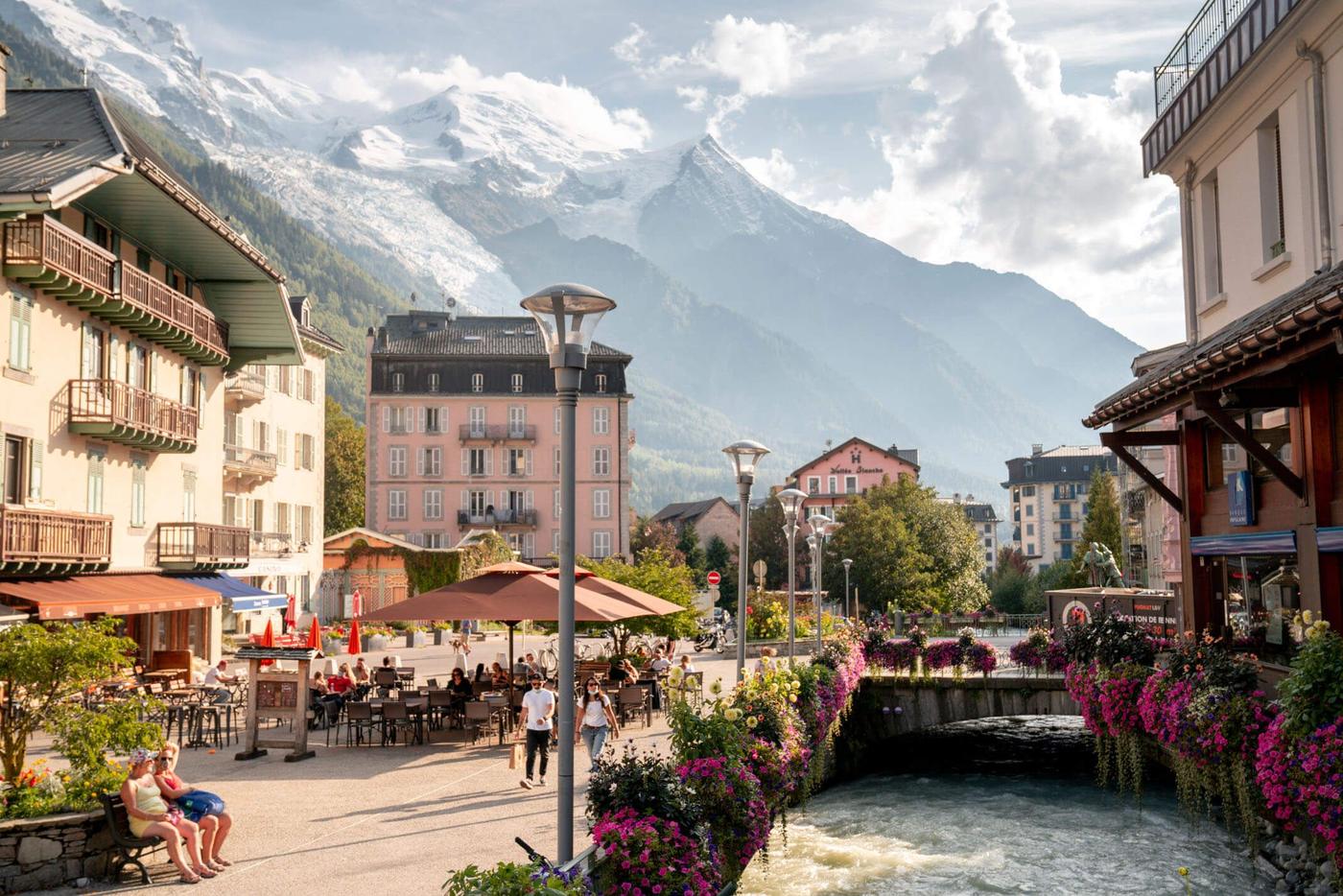
We meet you at Geneva airport and drive you to Chamonix, the old mountain town at the foot of Mont Blanc, about an hour and a quarter away. You check in at Le Hameau Albert 1er, then sit down with your guide to go over the days ahead. If you're missing any gear, Chamonix has plenty of outdoor shops.
Today is yours to walk the trails around Chamonix and get your legs ready for the days ahead. If you'd like a big view of Mont Blanc, you can take the cable car up the Aiguille du Midi, which tops out at 3,842 metres.
The walk starts in Les Houches, where the Bellevue cable car takes you up onto the trail. You cross a suspension bridge below the Bionnassay glacier, and in good weather your guide usually takes you over the Col de Tricot, with a coffee stop at the Chalet de Miage below the Dômes de Miage. When the weather is poor there's a lower route instead.
It's a long, hard first day of six to seven hours and about 17.5 kilometres, with 1,474 metres up and 1,322 metres down. The night is at La Chemenaz in Les Contamines-Montjoie.
You walk out of Les Contamines on the old Roman road to the chapel of Notre-Dame de la Gorge, then climb past the Chalet de la Balme, which makes a good coffee stop if you're making good time. Lunch is at the Col du Bonhomme at 2,328 metres. A gentler climb then takes you to the Col de la Croix du Bonhomme at 2,478 metres, which looks out towards the Vanoise National Park. From there it's about two hours down to Les Chapieux.
It's another full day of five to six hours and about 18.5 kilometres, with 1,363 metres up and 1,322 metres down. At Les Chapieux we drive you down the valley to Base Camp Lodge in Bourg-Saint-Maurice for the night.
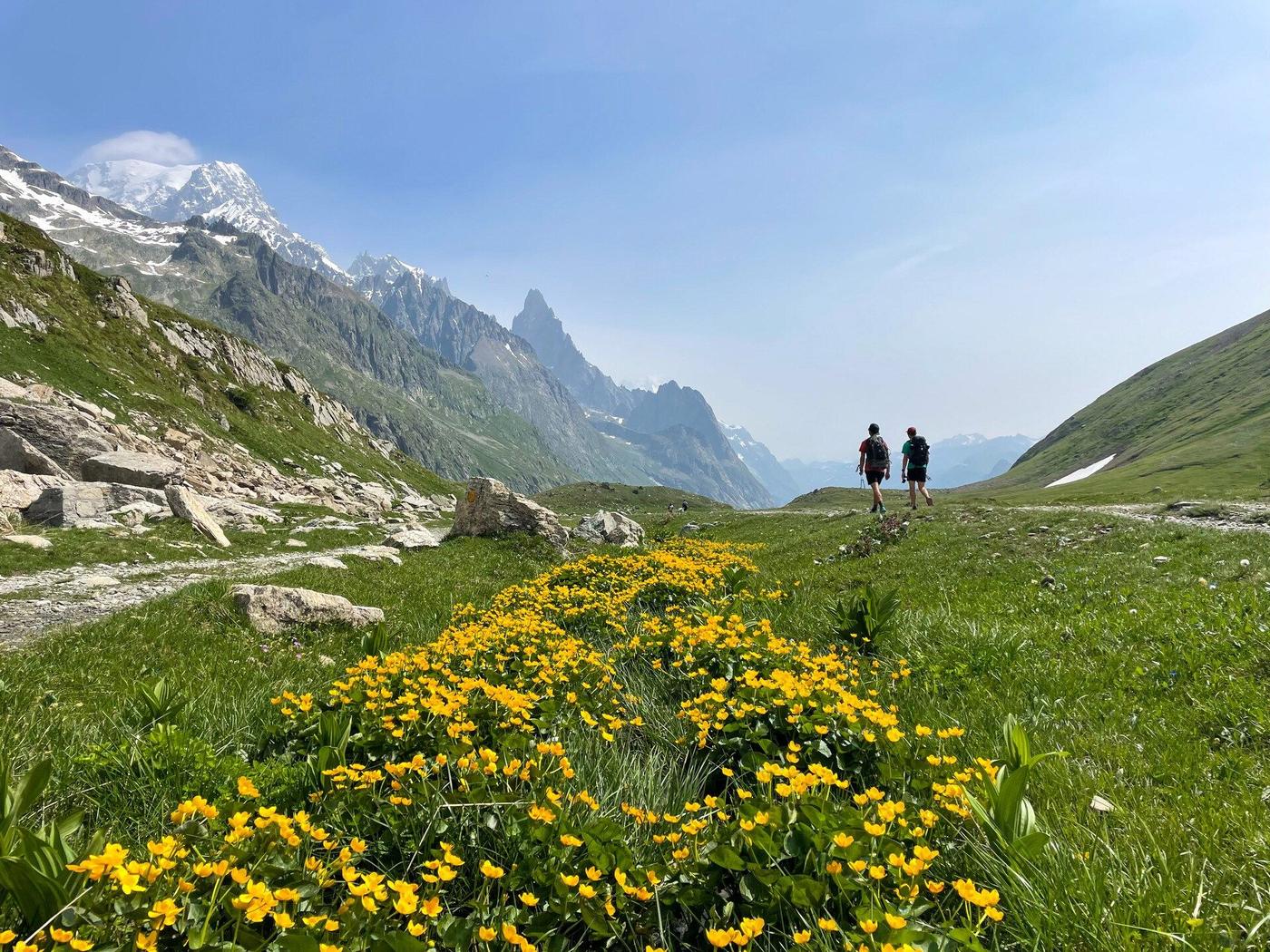
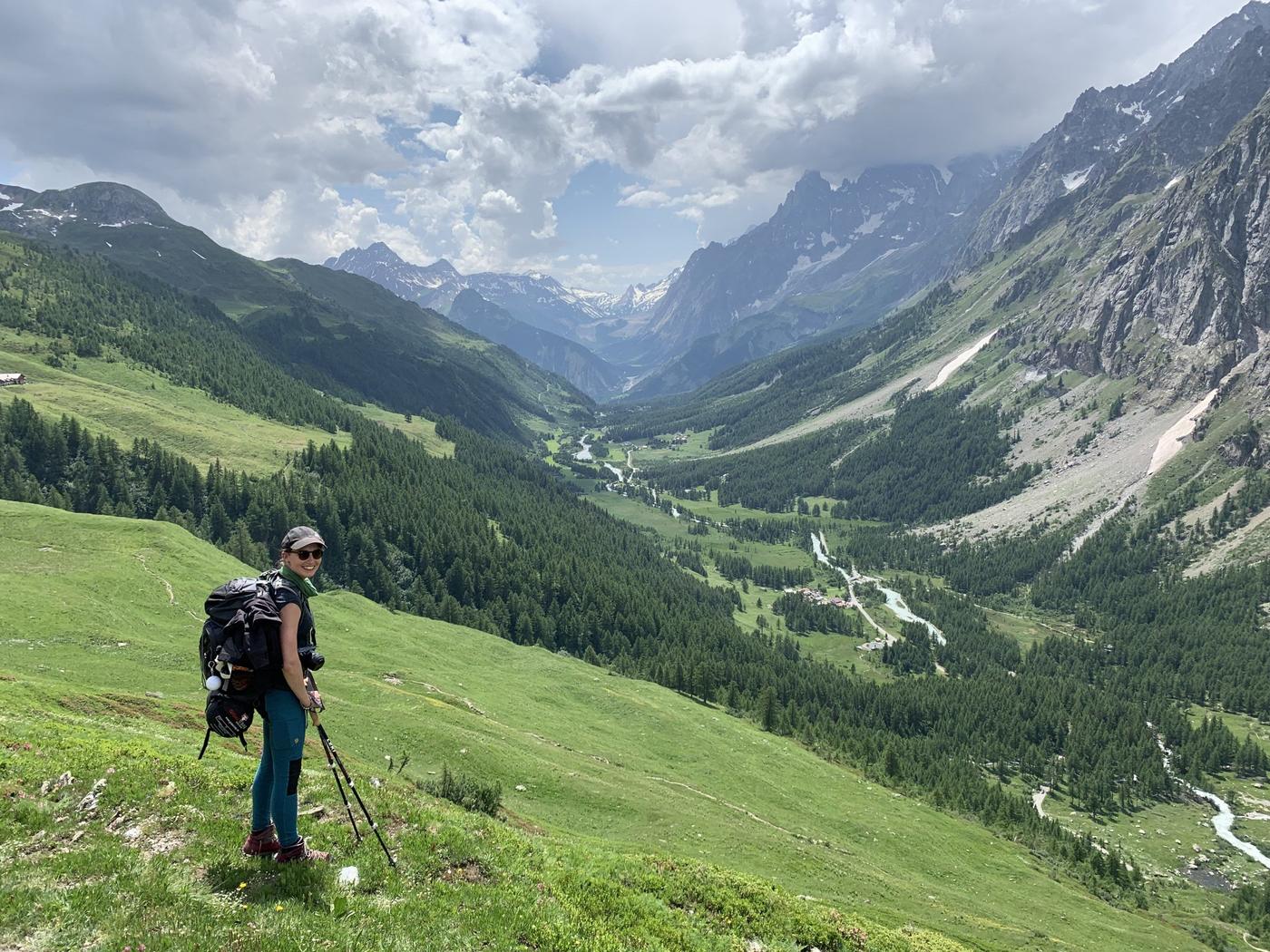
In the morning we drive you back up the valley to the Ville des Glaciers, which skips the road walk above Les Chapieux. You cross the river to the Refuge des Mottets and climb to the Col de la Seigne at 2,516 metres, on the border with Italy. From the pass you look down the Val Veny and across to the Val Ferret, with the Italian side of Mont Blanc in front of you.
You come down past the Rifugio Elisabetta to La Visaille, where we pick you up for the drive into Courmayeur. It's a moderate day of five to six hours and about 16 kilometres, with 748 metres up and 972 metres down.
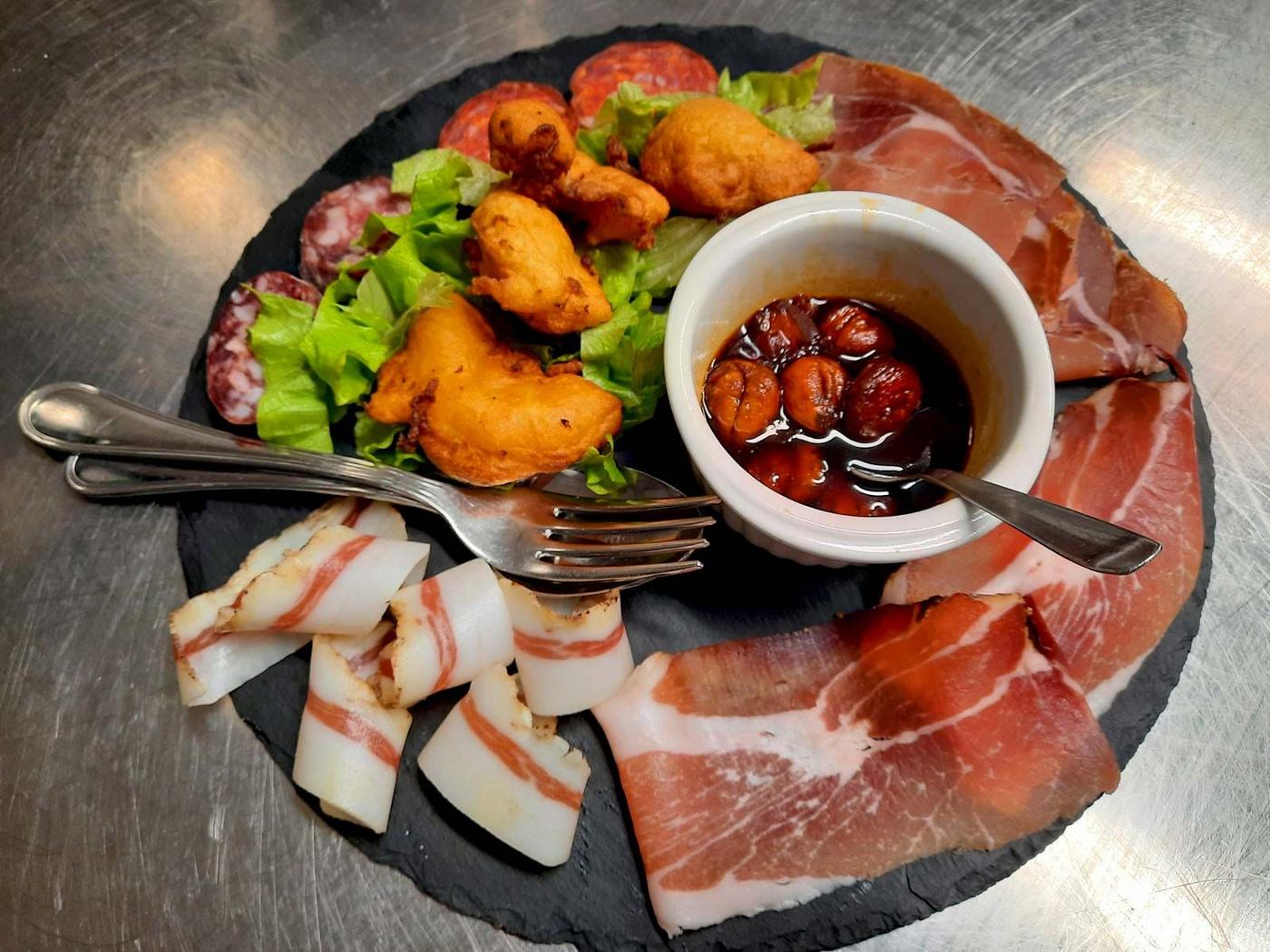
Today is a rest day in Courmayeur, a traditional Italian mountain town with good food and wine. You can wander the shops and cafés along Via Roma, or spend the afternoon at the thermal spa in nearby Pré-Saint-Didier. Dinner is wherever you like in town.
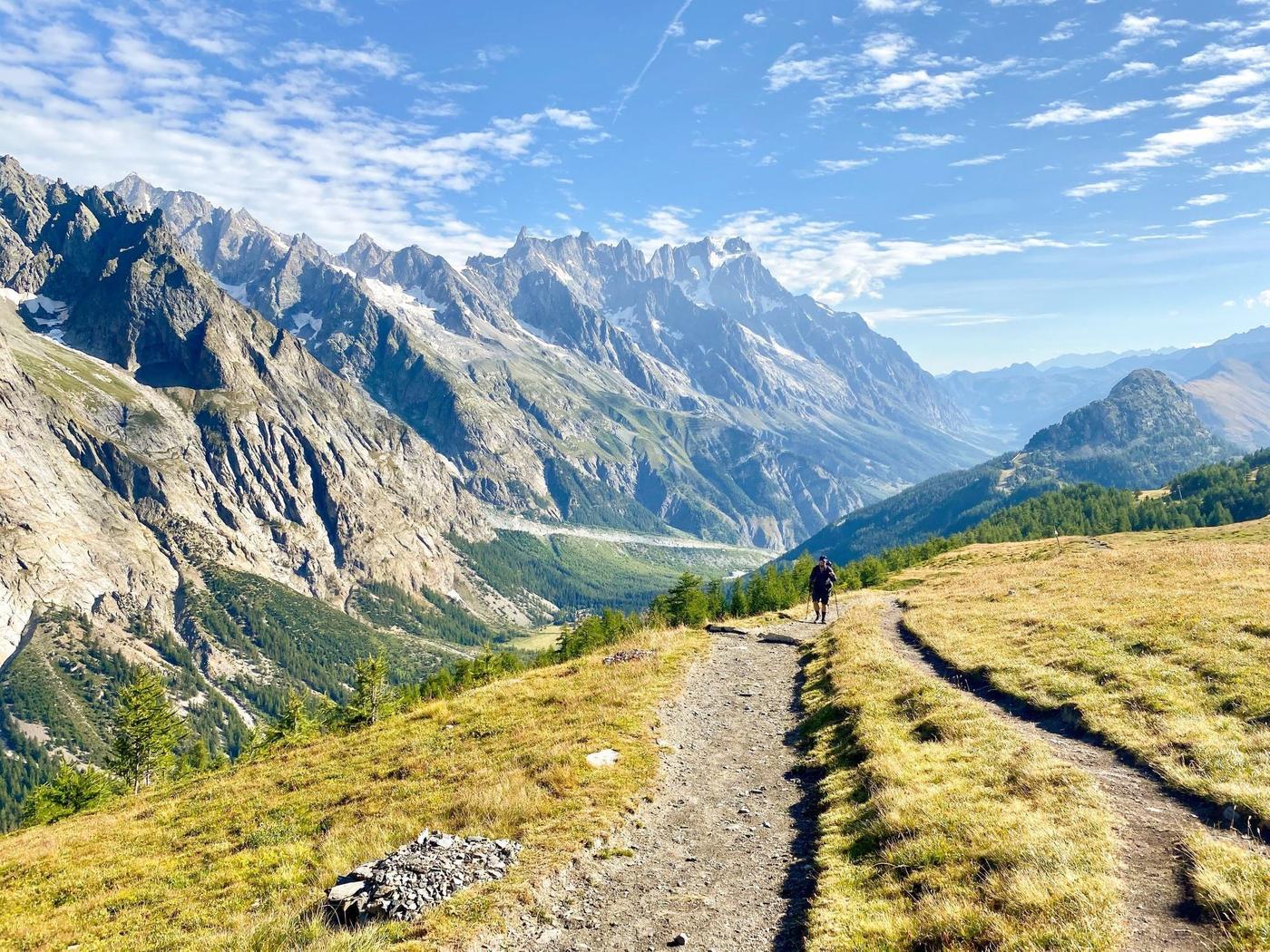
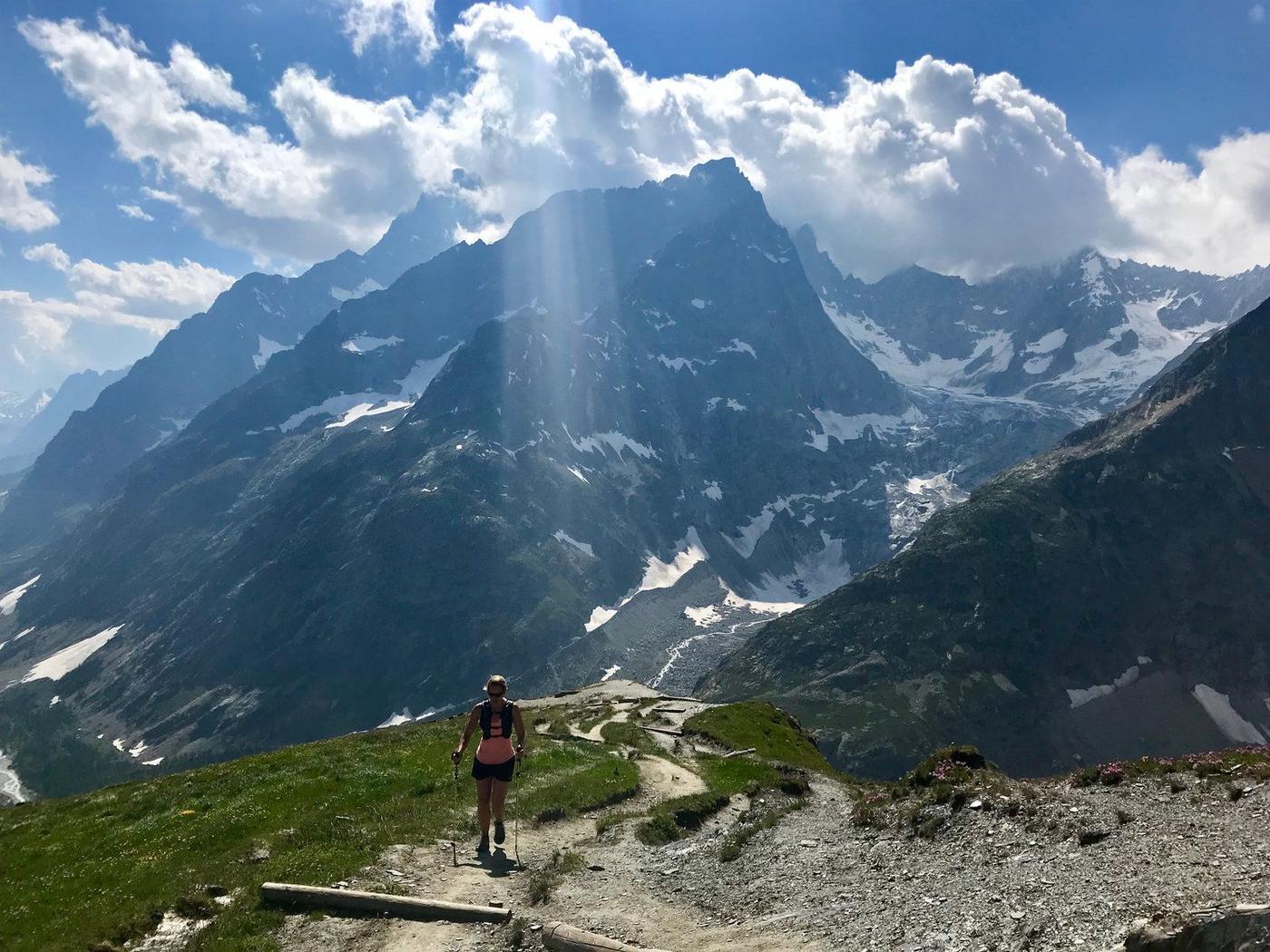
We drive you up to the Chalet Val Ferret, where you start the climb to the Grand Col Ferret and cross into Switzerland. On the Swiss side the wild, rocky country gives way to gentle alpine meadows, and the trail drops slowly to Ferret and La Fouly. La Fouly sits below Tour Noir (3,836 metres) and Mont Dolent (3,823 metres), where the borders of France, Switzerland and Italy meet.
From La Fouly we drive you up to Champex-Lac for the night at Au Club Alpin. It's the easiest walking day of the trip, at four to five hours and about 13 kilometres, with 789 metres up and 955 metres down.
You leave the lake at Champex and follow the Bovine route to the Col de la Forclaz, then drop down to Trient, a small Swiss village known for its pink church. It's four to five hours and about 16.5 kilometres, with 856 metres up and 1,052 metres down.
In good weather in high summer, strong walkers can go over the Fenêtre d'Arpette instead. It's the most technical stretch of the whole circuit, with a path that's hard to follow and a boulder field to cross, and it isn't an option in June. Your guide decides on the day.
We drive you from Trient over the border to Les Grands Montets Hotel & Spa in Argentière, at the top of the Chamonix valley. In the morning we bring you back to Trient to pick up the trail.
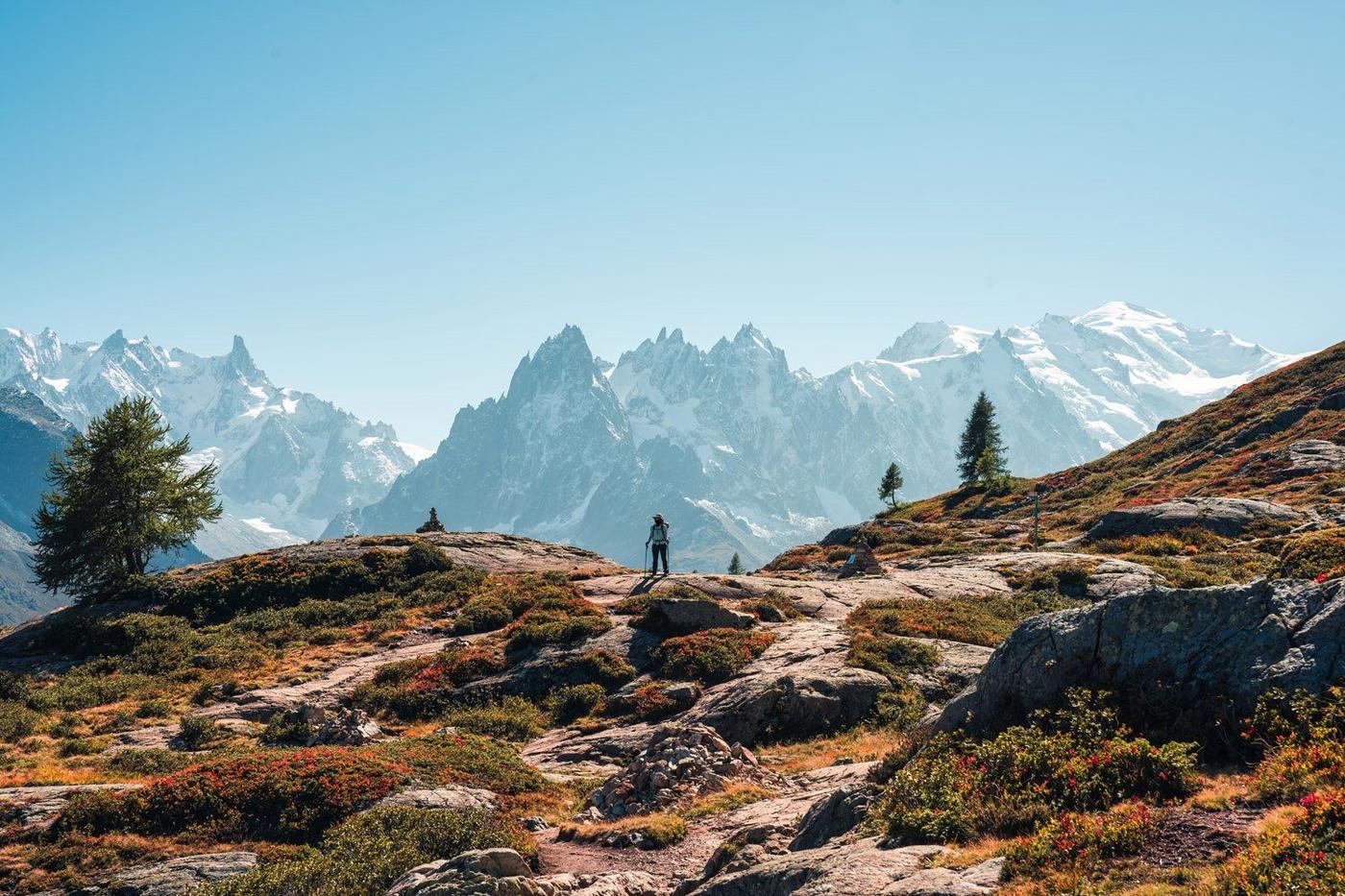
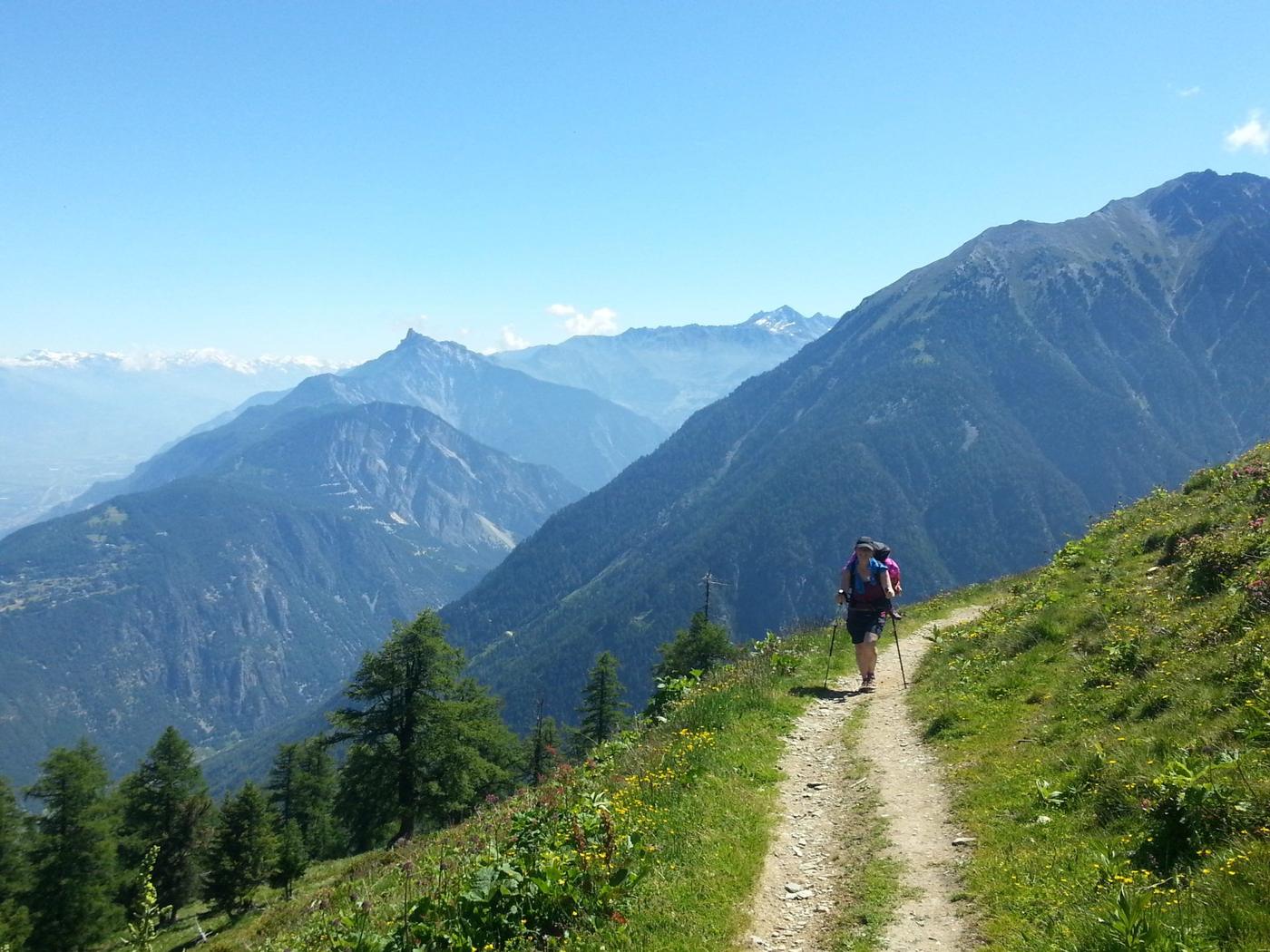
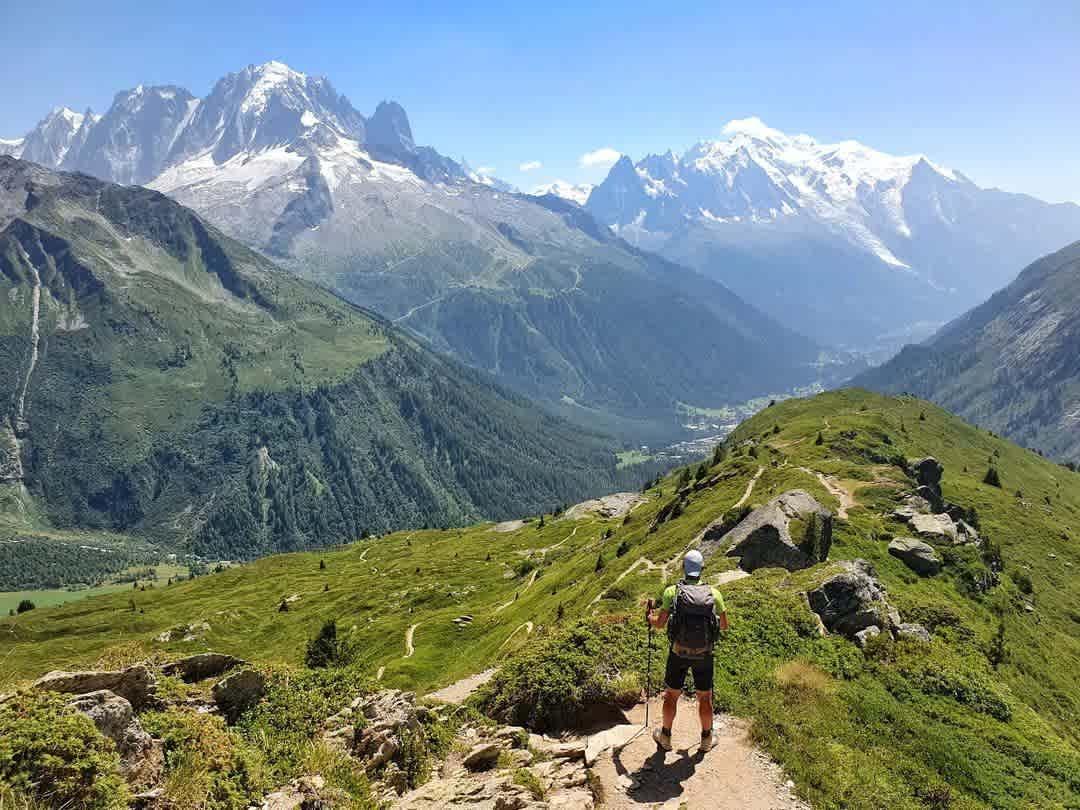
From Trient the trail climbs steadily to the Col de Balme. It's a gradual climb and not too hard, and from the refuge on the Swiss side you see the whole Chamonix valley, with Mont Blanc on the left and the start of your walk at the far end. You cross into France, drop to the saddle of the Col des Posettes and climb a rocky ridge to the Aiguillette des Posettes at 2,201 metres. On a clear day the view takes in Mont Blanc, the Drus and the Aiguille Verte, with the Emosson dam behind you in Switzerland.
The descent to Tré-le-Champ is steep and tough, so take it slowly. From there you walk on to Argentière, and we drive you back to Le Hameau Albert 1er in Chamonix. It's five to six hours and about 17 kilometres, with 1,159 metres up and 1,199 metres down.
Seasons, rules and schedules can change, and we rely on our partners on the ground for the latest. Ask us before you plan around any of these answers and we'll double-check them.
How long is the Tour du Mont Blanc?
It's about 170 kilometres all the way round, with about 10,000 metres of climbing. Most people take 7 to 11 days to walk the whole circuit. On this trip you walk about 100 kilometres of it in six days, with about 6,400 metres of climbing.
Do you climb Mont Blanc on the Tour du Mont Blanc?
No. The trail goes around the Mont Blanc range, and the summit isn't part of it. Mont Blanc is about 4,800 metres high, and climbing it is a separate mountaineering trip over glaciers. The highest pass on the main route is the Grand Col Ferret, at 2,537 metres on the border between Italy and Switzerland.
How hard is the Fenêtre d'Arpette on the Tour du Mont Blanc?
It's a big day. You climb about 1,200 metres from Champex to the pass at 2,665 metres, then drop about 1,400 metres to Trient past the Trient glacier, in about six hours of walking. That's about 350 metres more climbing than the usual Bovine route.
When is the UTMB race on the Tour du Mont Blanc?
It's held at the end of August every year. More than 10,000 runners take part in the week's races. The main race goes all the way round the circuit, about 170 kilometres through France, Italy and Switzerland. Chamonix and the trail are at their busiest that week.
How It Works
We Arrange All of It
Each trip idea is a starting point. We adjust the length, the pace and the hotels to suit you, then book and manage every part of it.
Flights. Booked with your points where they're worth the most, and with cash where they aren't.
Every transfer. Private drivers, boats and domestic flights between each stop, timed to your arrival.
Guides and tours. Booked for the days that suit you, private or shared.
The hotels. Booked directly with the properties we work with, with rooms matched to your group.
Support while you're away. If a flight cancels or plans change, you contact us and we sort it out.
Plan This Trip
We can add nights in Chamonix before you start or after you finish, or a second night by the lake in Champex. If you'd like a harder day, your guide can take you over the Fenêtre d'Arpette on the way to Trient when the weather allows.
Every trip is priced for your dates. Send us rough dates and who's travelling, and we'll come back with the full plan.