Aerial view of the camp's yurts in the forest above Lake Toro, with mountains beyond

Trip Ideas · Chile

Chile: Patagonia and the Rosario Valley

Two nights at a vineyard hotel an hour from Santiago, then six nights in Chilean Patagonia near Torres del Paine, split between a camp of yurts on Lake Toro and a working sheep estancia on the steppe.

9 days, 8 nights

The Trip

You start with two nights at La Casona, the old main house of the Matetic vineyard in the Rosario Valley, an hour's drive from Santiago airport, which makes it an easy first stop after the overnight flight. Then you fly south to Puerto Natales for six nights near Torres del Paine: three at Patagonia Camp, 23 yurts in the forest above Lake Toro, and three at Estancia Cerro Guido, Chile's largest working sheep estancia, about an hour's drive away.

Staying at both Patagonia lodges shows you two very different sides of Torres del Paine. From the camp, on the wooded shore of the lake, you hike in the national park and on routes only the camp's guests use. Cerro Guido is out on the open steppe, where you ride with the gauchos, see the estancia's puma conservation work and have the Torres in view without the crowds in the park. Both are full board, with a choice of guided outings each day. Patagonia Camp is open from October to April and takes children aged 10 and over.

By Next Mile Travel · Updated

The Route

12ROSARIO VALLEY2 nightsTORRES DEL PAINE6 nights 12ROSARIO VALLEY2 nightsTORRES DEL PAINE6 nights

Itinerary

Day by Day

Day 1

Santiago to the Rosario Valley

A driver meets you at Santiago airport for the hour's drive to La Casona, on a paved highway that doesn't go through the city. The house was built in the early 1900s as the main house of the Matetic estate and became a ten-room hotel in 2004. There's a living room with a fireplace and a pool for hotel guests only.

The rest of the day is for resting by the pool or walking in the gardens, and dinner is at Equilibrio, which cooks with local, seasonal produce, some of it from the vineyard's own organic garden.

Overnight: La Casona at Matetic Vineyards
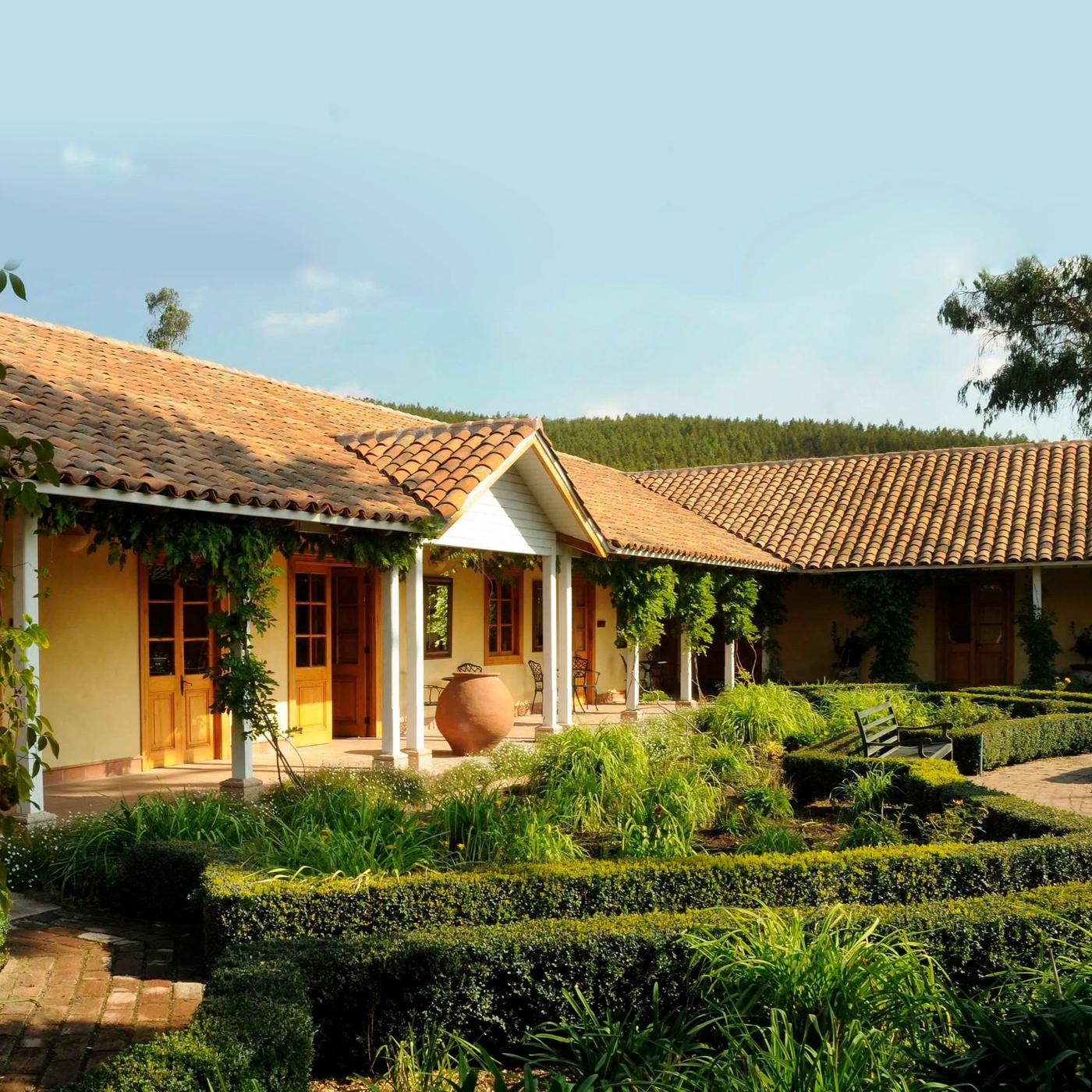
The tiled-roof main house with a veranda and a clipped hedge garden

Day 2

The vineyard

Matetic was the first vineyard in Chile to farm organically and biodynamically. The biodynamic tour starts at the Emporio, the estate's shop and wine bar, and takes you through the biodynamic garden, along the Path of the Senses and into the wine cellar, finishing with a tasting of two Corralillo and two EQ wines and a cheese board.

In the afternoon you can ride through the vines, go mountain biking, or hike up to the highest point on the estate, where you can see the Pacific on one side and the Andes on the other. You'll likely see owls, giant hummingbirds and foxes along the way.

Overnight: La Casona at Matetic Vineyards
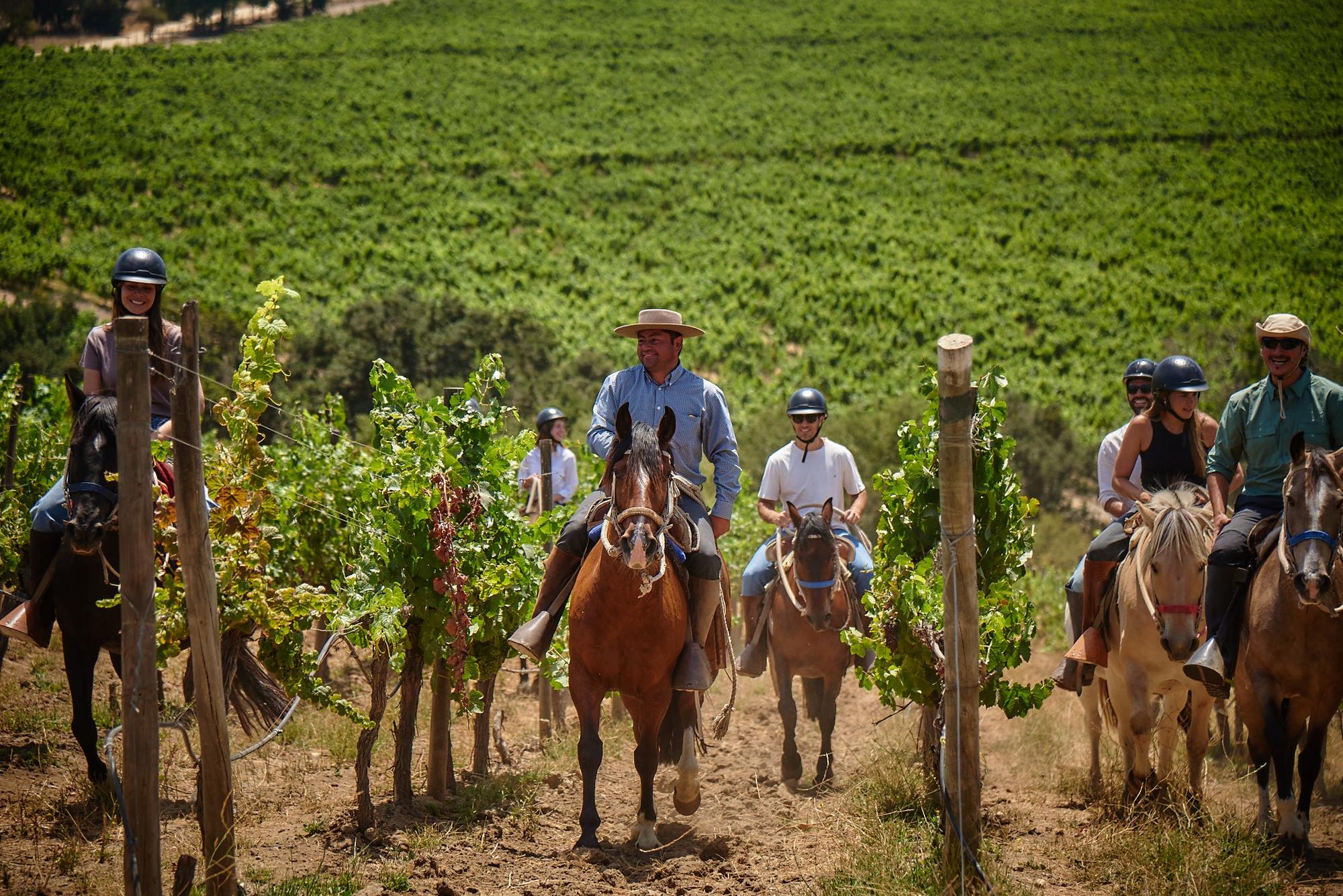
A group on horseback riding between rows of vines

Day 3

Santiago to Patagonia Camp

After breakfast you drive back to Santiago airport for the flight of about 3 hours 15 minutes south to Puerto Natales (PNT), where a driver meets you for the drive of about 1 hour 15 minutes to Patagonia Camp on Lake Toro.

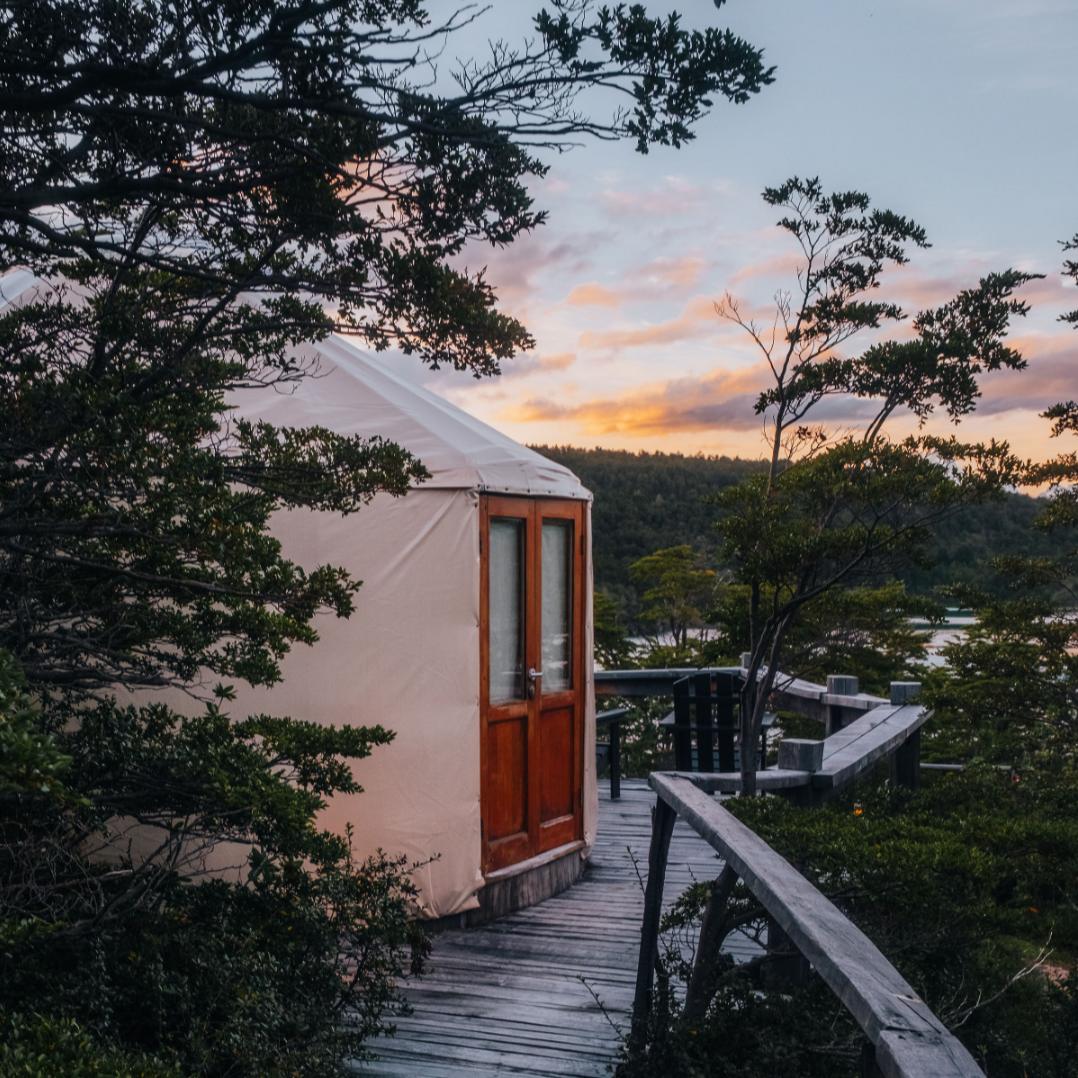
The camp is 23 yurts linked by raised wooden walkways in the forest above the lake, looking across to the Paine massif, and each has central heating, its own bathroom and a private terrace. On the shared programme you choose the next days' outings with the guides when you arrive, and an outing runs when at least two yurts sign up for it. With a private guide you set your own plan and times. If there's time before dinner, the camp's forest bathing trail is an easy ten-minute walk through the woods to a lookout.

Overnight: Patagonia Camp

A yurt and its wooden walkway among the trees at sunset

Day 4

Torres del Paine National Park

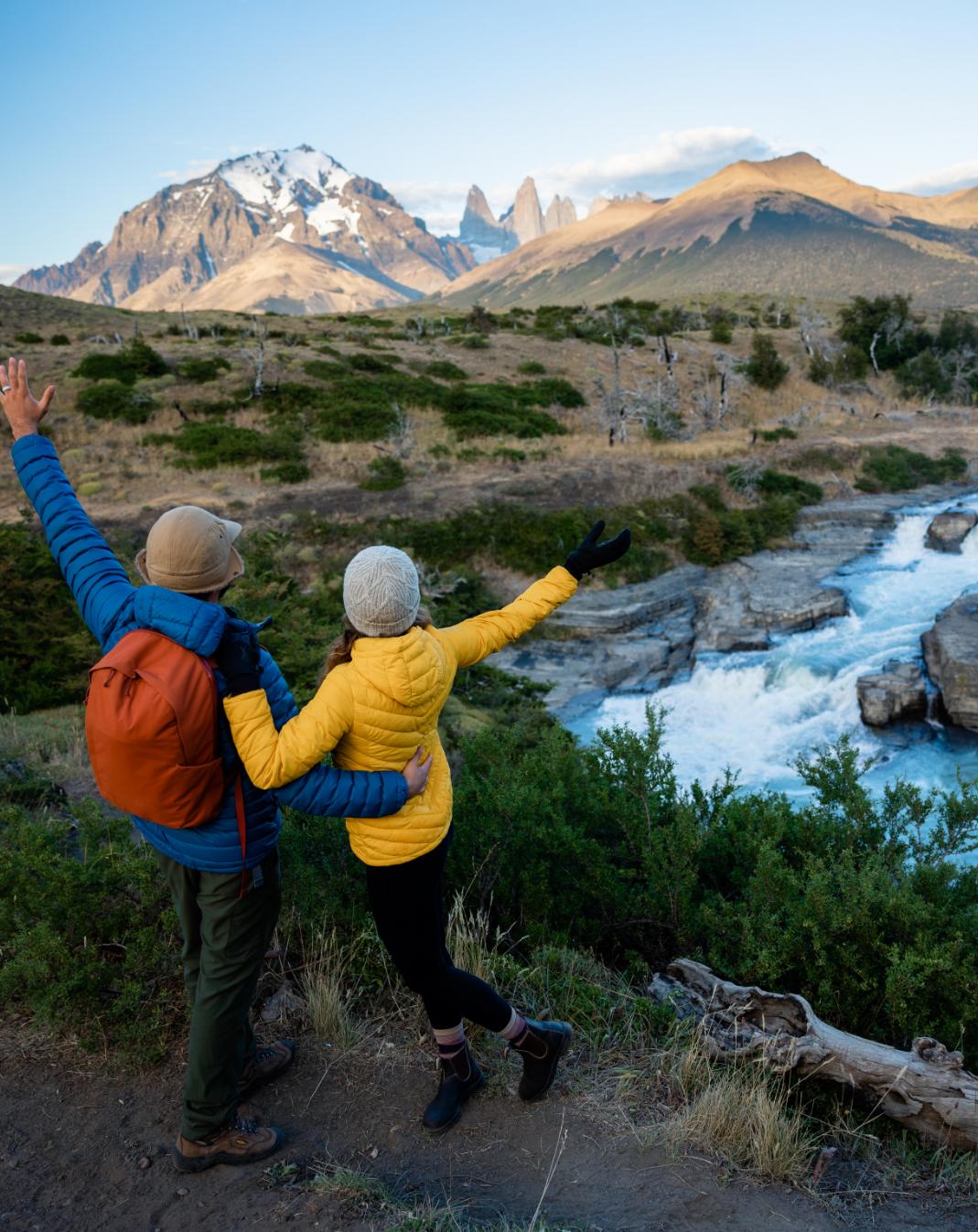
The hike to the base of the Torres, part of the W trek, is the one most people come to the park for, and it's a hard day: about 22 kilometres with 1,500 metres of climbing, up through lenga beech forest and over a moraine of granite boulders to the lookout facing the towers. With the drive there and back it takes about 14 hours, and the camp provides the trekking poles and helmets the route requires. It's the busiest trail in the park, so it's best to start early.

For an easier day in the park, the Pingo Valley walk follows the river through old lenga and coihue forest to Grey Beach on Grey Lake, with lunch by a waterfall, views of the Paine massif and, when the weather allows, icebergs out on the water. On the drive in, look out for guanacos, rheas, condors and Andean foxes, which all live in the park.

Overnight: Patagonia Camp

Two hikers above a waterfall, with the peaks of Torres del Paine behind

Day 5

Macizo Paine and Lake Toro

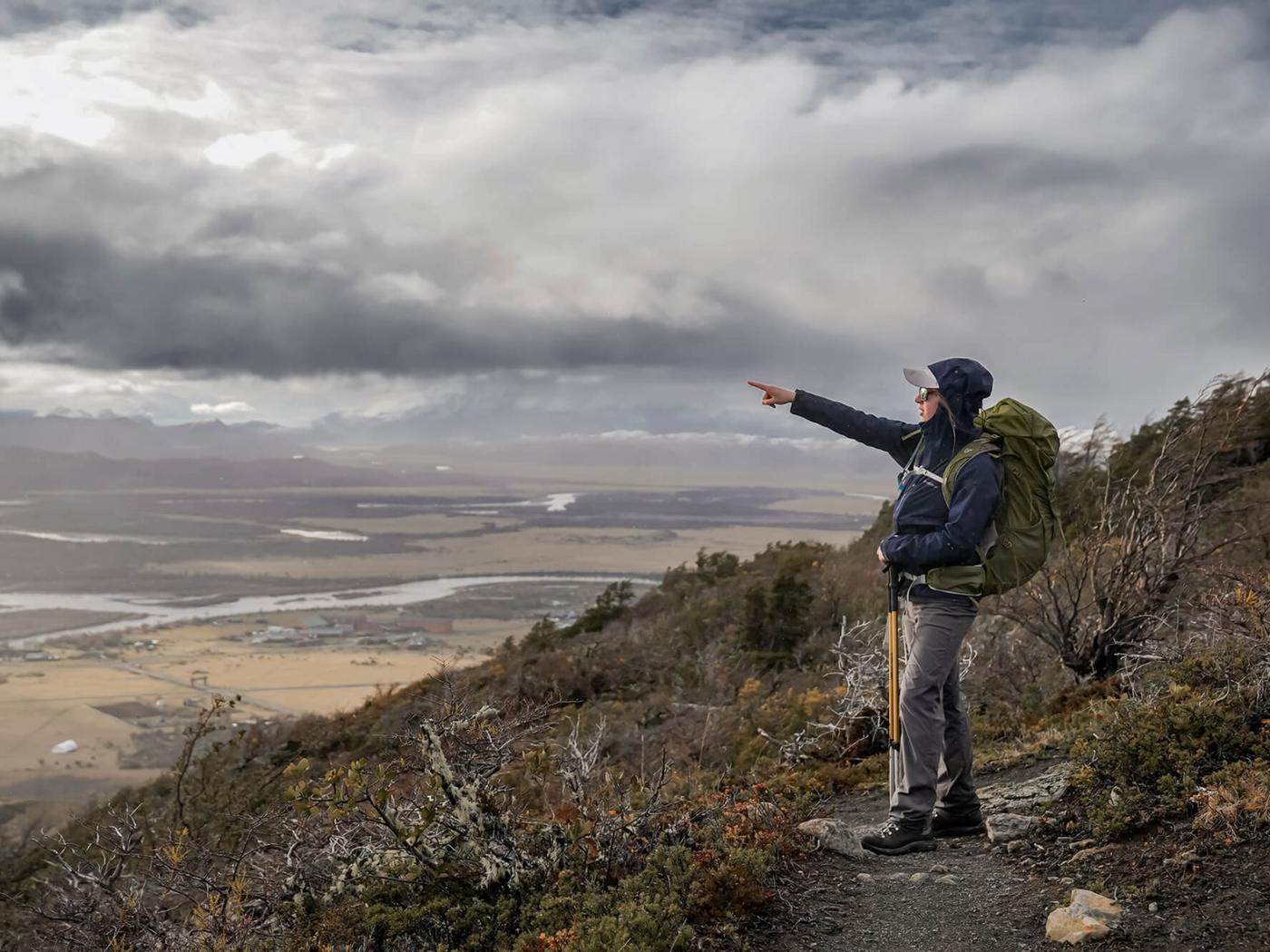
Macizo Paine is a hike only the camp's guests do. It starts at the Grey lookout and follows trails through old forest and past a string of hidden lagoons, with views of the Paine massif, Grey Glacier and part of the Southern Patagonian Ice Field. It's about 15 kilometres and five hours on foot, mostly gentle, with a few climbs.

For a slower day, you can kayak on Lake Toro from the camp's beach, through sheltered bays and around small islands, or walk the marked trails from camp on your own, with a radio, a headlamp and a first aid kit from the camp. Twice a week dinner is an asado, a traditional barbecue, and the bar pours organic wines from Matetic every night.

Overnight: Patagonia Camp

A hiker on a hillside trail pointing out over a wide valley under heavy cloud

Day 6

Patagonia Camp to Cerro Guido

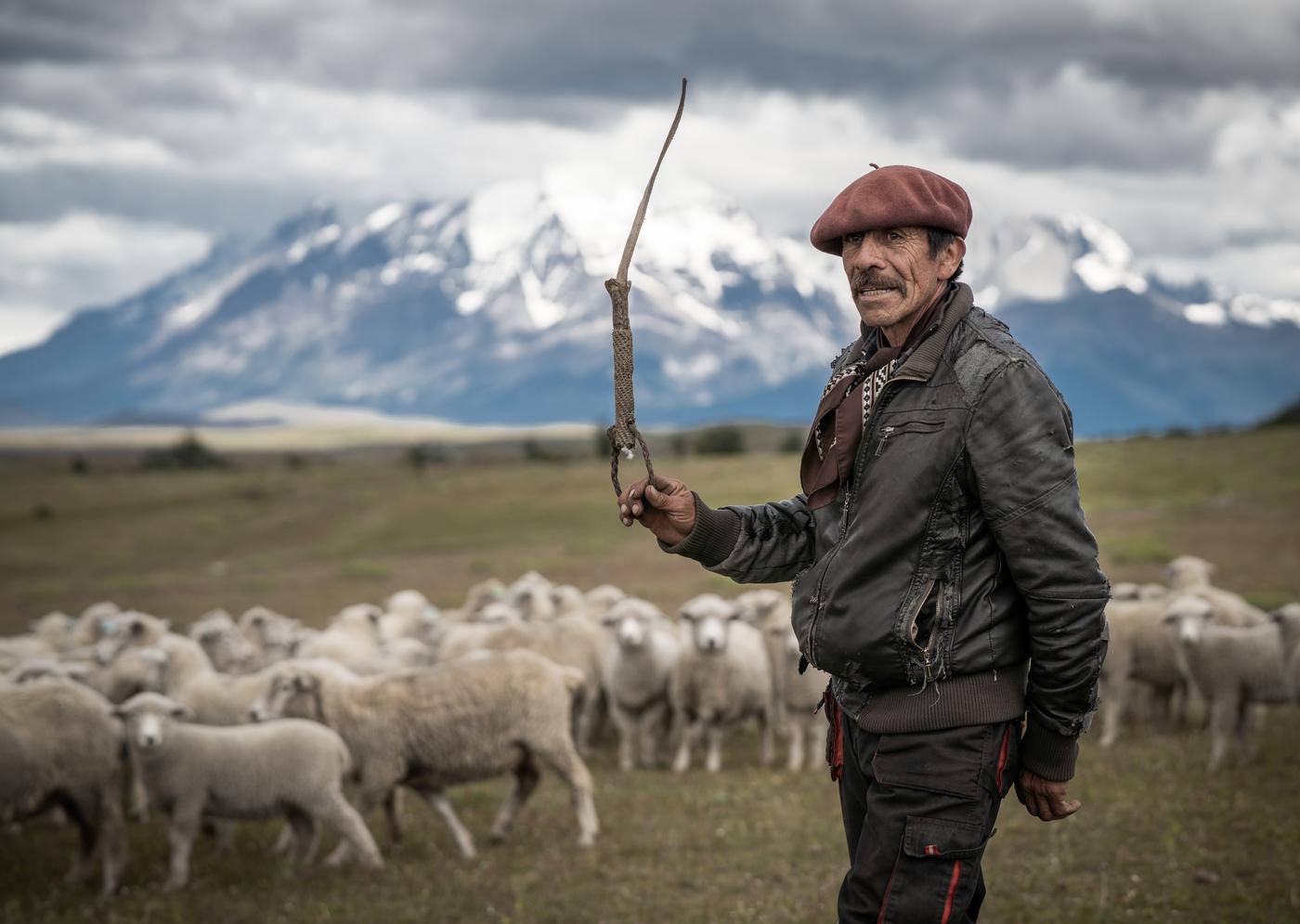
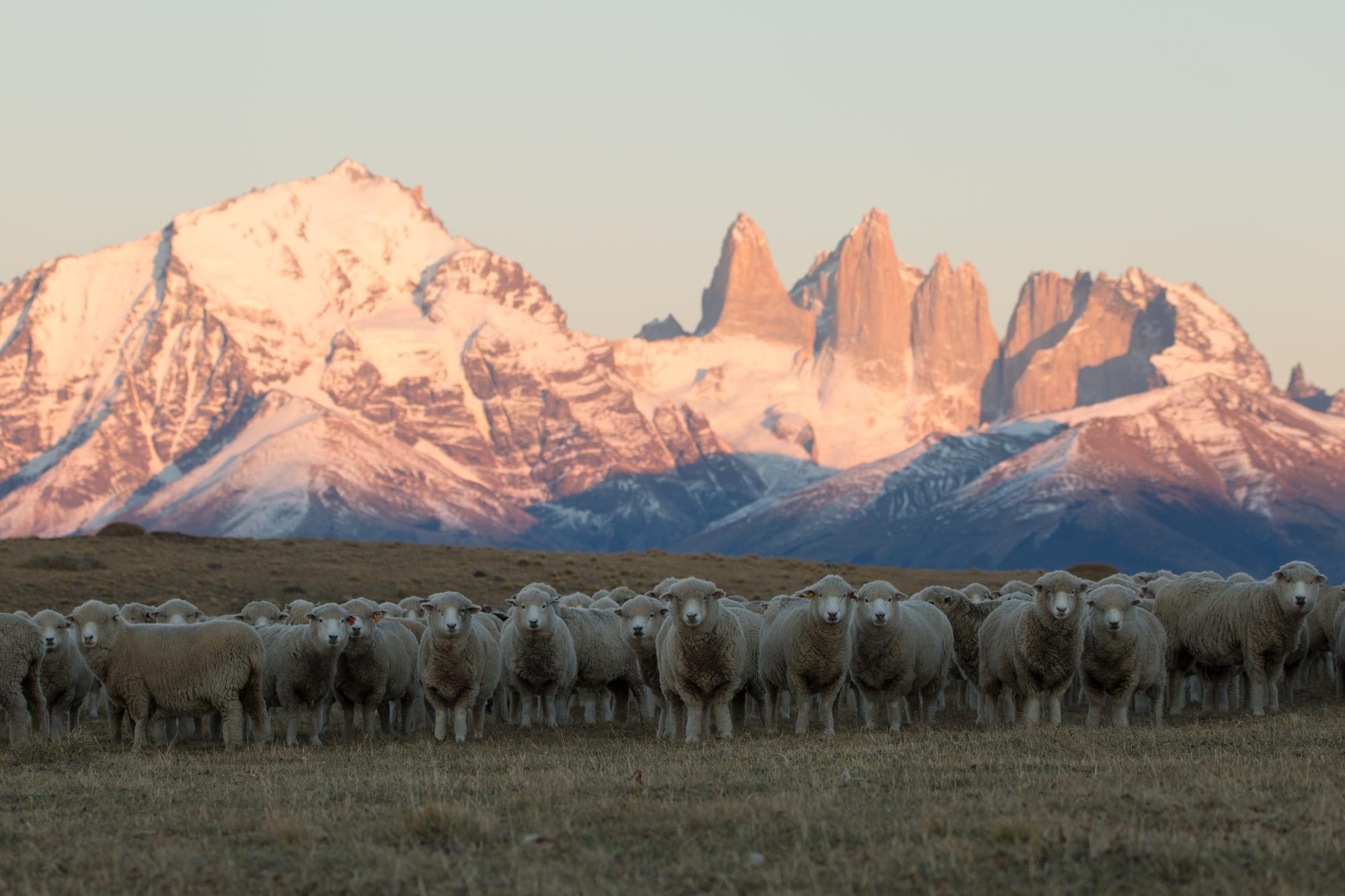
A driver takes you about an hour to Estancia Cerro Guido, founded in 1906 to raise sheep for wool and still Chile's largest working estancia, with about 9,000 sheep on 250,000 acres of steppe and the Torres in view from most of its roads. The 21 rooms are done in a traditional English style, and guests share a dining room and bar.

Start with the estancia's cultural tour, about three and a half hours, which gives you the history before you head out on the land. You walk through the organic garden, the greenhouse, the stables and the main house, watch the sheepdogs work the flock and, in shearing season, see the shearing and how the wool is graded in the shearing shed.

Overnight: Estancia Cerro Guido

A gaucho with a flock of sheep on the steppe, with the snowy Paine massif behind

Day 7

Riding with the gauchos

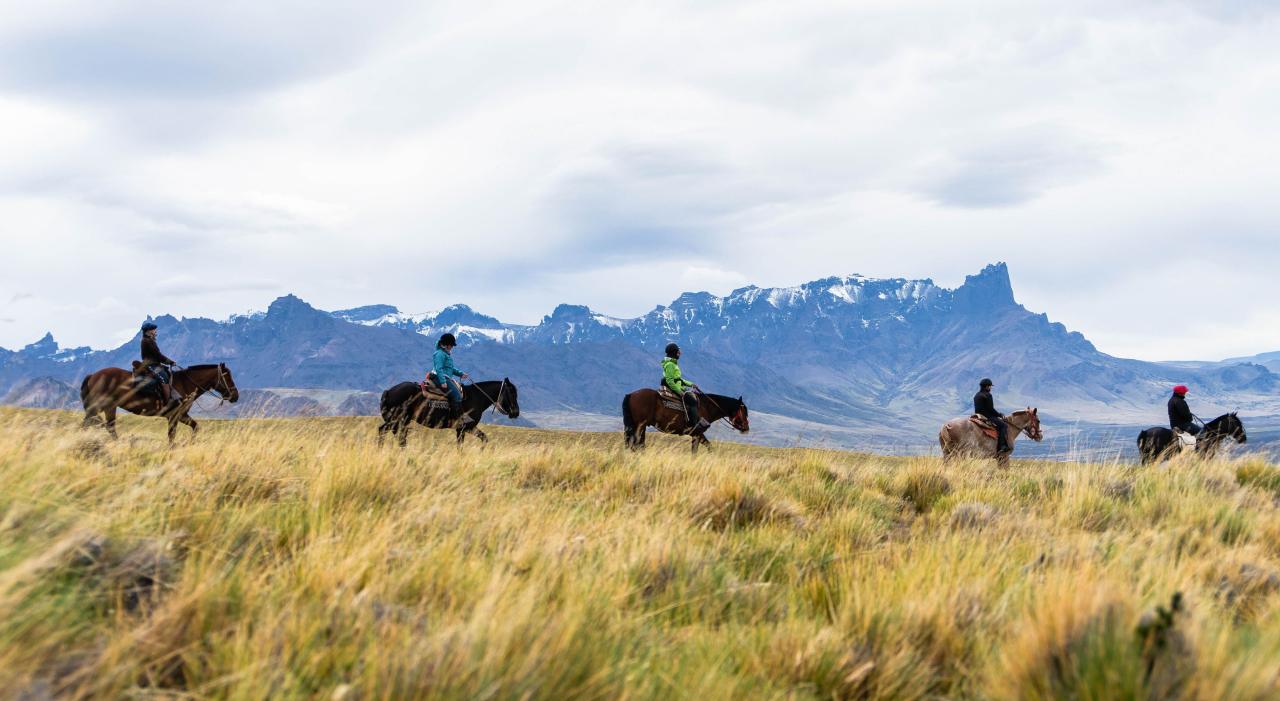
The estancia's gauchos take you out on horseback, and there's a ride for most levels. Caravana is an easy two and a half hours through the fields near the stables, where you'll often see guanacos. The Puesto Marcou ride crosses the pampa toward the Sierra Baguales and comes back through the high part of the estancia with the Torres on the horizon, and Las Flores is the longest and fastest, a full day with a picnic lunch and long stretches to trot and gallop. Both longer rides are for riders aged 12 and over.

If you'd rather walk, the full-day hike to the base of the Sierra Baguales, the range on the border with Argentina, climbs off trail past small lakes and herds of guanacos, and you may see baguales, the wild horses the range is named after.

Overnight: Estancia Cerro Guido

Five riders crossing tall grass on the steppe, with jagged snowy mountains behind

Day 8

Pumas and the conservation work

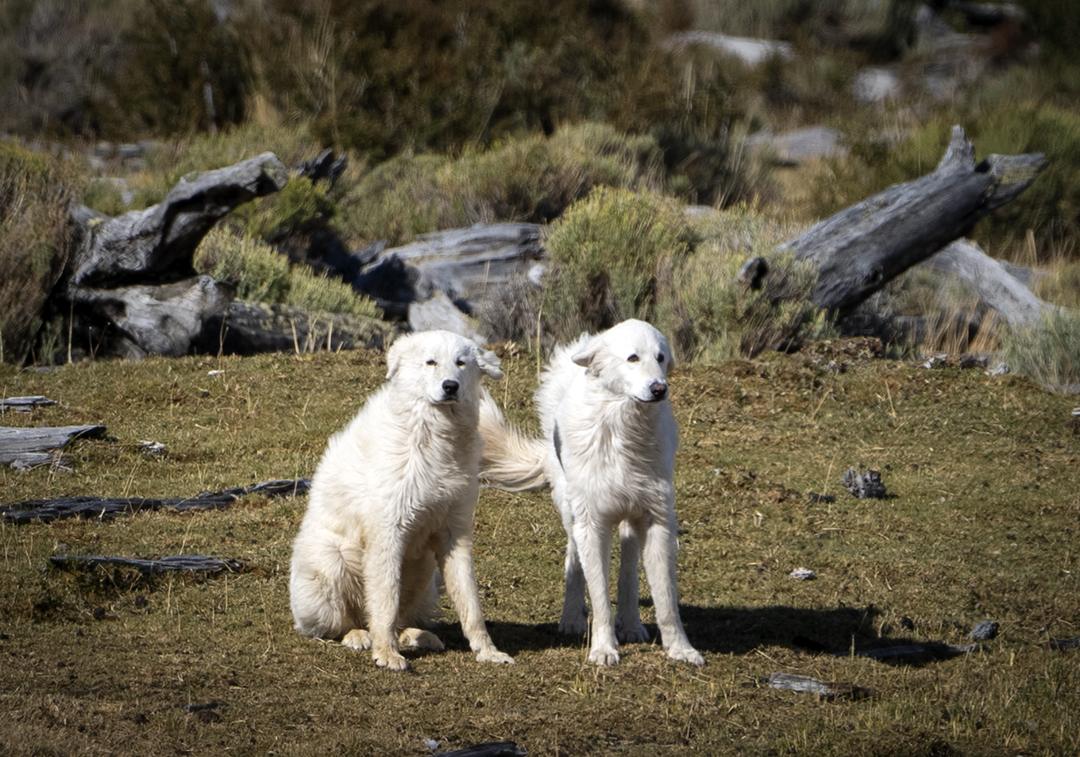
The Cerro Guido Conservation Foundation works so that sheep and pumas can share the land: Great Pyrenees and Maremma dogs guard the flocks, so the pumas aren't hunted. On the conservation outing, about five hours in the morning or the afternoon, you visit the conservation areas with the foundation's field researchers, look for wildlife through binoculars and check the camera traps with them.

The other half of the day could be an e-bike ride across the steppe to Puesto Rojo, an outpost on a forested hillside. If you'd rather spend the whole day on foot, the climb up Cerro Guido, the 1,270-metre peak behind the hotel that gives the estancia its name, is a hard full day that ends at a burial mound built by the Aonikenk people, with a view in every direction and the Torres on the horizon.

Overnight: Estancia Cerro Guido

Two white sheep guard dogs on the grass among fallen logs

Day 9

Puerto Natales to Santiago

A driver takes you about 1 hour 20 minutes to Puerto Natales (PNT) for the flight back to Santiago (SCL), where you connect home. If the connection is too tight, we book a night near Santiago airport and you fly home the next day.

The granite towers of Torres del Paine lit pink at dawn, with a flock of sheep on the steppe below

Questions

Questions About This Trip

Seasons, rules and schedules can change, and we rely on our partners on the ground for the latest. Ask us before you plan around any of these answers and we'll double-check them.

Should we choose Patagonia Camp or EcoCamp in Torres del Paine?

Pick EcoCamp if the hike to the base of the Torres matters most, because the trail starts at the camp. From Patagonia Camp on Lake Toro it's about four hours there and back by road. Every yurt at Patagonia Camp has its own bathroom and 13 have a hot tub on the deck, while the simplest domes at EcoCamp share bathrooms. Patagonia Camp also has wifi in its shared areas, and EcoCamp has none.

How old do children need to be for Patagonia Camp and Cerro Guido?

Patagonia Camp takes children from 10, and Cerro Guido takes all ages. At the camp the family yurts sleep four, with a king bed and two twins. At Cerro Guido the easy Caravana ride is for 8 and up, and the puma conservation outing is for 12 and over, like the two longer rides.

Can you visit Torres del Paine in winter?

Yes. From May to August Estancia Cerro Guido runs a winter programme, and while there's no riding you can take the boat trip on Grey Lake or spend a full day with the puma researchers. Snowshoeing runs from May to October. Winter is cold but not very windy, and with snow on the ground and fewer visitors it's the best time to see pumas.

What wine is Matetic in the Rosario Valley known for?

Matetic is best known for its cool-climate Syrah, and it also grows Sauvignon Blanc and Pinot Noir. The vineyards are only about 10 to 20 kilometres from the Pacific, so the climate is cool and coastal. The vines grow in weathered red and grey granite.

How It Works

We Arrange All of It

Each trip idea is a starting point. We adjust the length, the pace and the hotels to suit you, then book and manage every part of it.

  • Flights. Booked with your points where they're worth the most, and with cash where they aren't.
  • Every transfer. Private drivers, boats and domestic flights between each stop, timed to your arrival.
  • Guides and tours. Booked for the days that suit you, private or shared.
  • The hotels. Booked directly with the properties we work with, with rooms matched to your group.
  • Support while you're away. If a flight cancels or plans change, you contact us and we sort it out.

Plan This Trip

We can run the trip the other way round and finish with two nights at La Casona, an hour from the airport, before the flight home, or add a fourth night at either Patagonia lodge. If you'd like time in Santiago, we can start with a night in the city to walk the old centre around the Plaza de Armas and see Pablo Neruda's house in Bellavista. From May to September, when Patagonia Camp is closed, we build the trip around Cerro Guido, which is open all year and is at its best for pumas in winter, and since the camp takes children aged 10 and over, we'd do the same for a family with younger children.

Every trip is priced for your dates. Send us rough dates and who's travelling, and we'll come back with the full plan.

Ask About This Trip