Paraty's white church and colonial houses across the harbour, with painted boats and green mountains behind

Trip Ideas · Brazil

Brazil: Paraty and Rio de Janeiro by Boat, Bike and on Foot

Three nights in colonial Paraty with a day on the bay and a walk on the old Gold Trail, then four in Rio for Sugarloaf, a bike ride along the beaches and the trail up Pedra Bonita.

8 days, 7 nights

The Trip

This is an active week on Brazil's Costa Verde and in Rio. You start with three nights at Pousada Literária in Paraty, an old colonial port between the rainforest and the sea. There's a private boat for a day on the bay, and a walk on the Gold Trail to swimming holes and a natural rock slide.

In Rio you stay four nights at Emiliano on Copacabana. You go up Sugarloaf by cable car and see the city from a helicopter, then cycle the beaches from Copacabana to Leblon and spend an afternoon with the community projects in Vidigal. On the last full day you walk up Pedra Bonita in Tijuca National Park, and if there's a match on, the evening is at Maracanã.

By Next Mile Travel · Updated

The Route

12PARATY3 nightsRIO DE JANEIRO4 nights 12PARATY3 nightsRIO DE JANEIRO4 nights

Itinerary

Day by Day

Day 1

São Paulo to Paraty

A guide meets you at São Paulo's airport (GRU) for the drive down to Paraty on the coast, about 5 hours. You stay three nights at Pousada Literária in the old town. Paraty was once a busy gold port, and today it's a small town of cobbled streets and Portuguese colonial houses between the rainforest and the sea.

In the afternoon a local historian walks you through the historic centre, which is UNESCO-listed. You hear how the high tides used to wash through the streets to clean them. The stories take in gold and sugar, cachaça and pirates, and the Afro-Brazilian and Indigenous heritage of the town.

Overnight: Pousada Literária
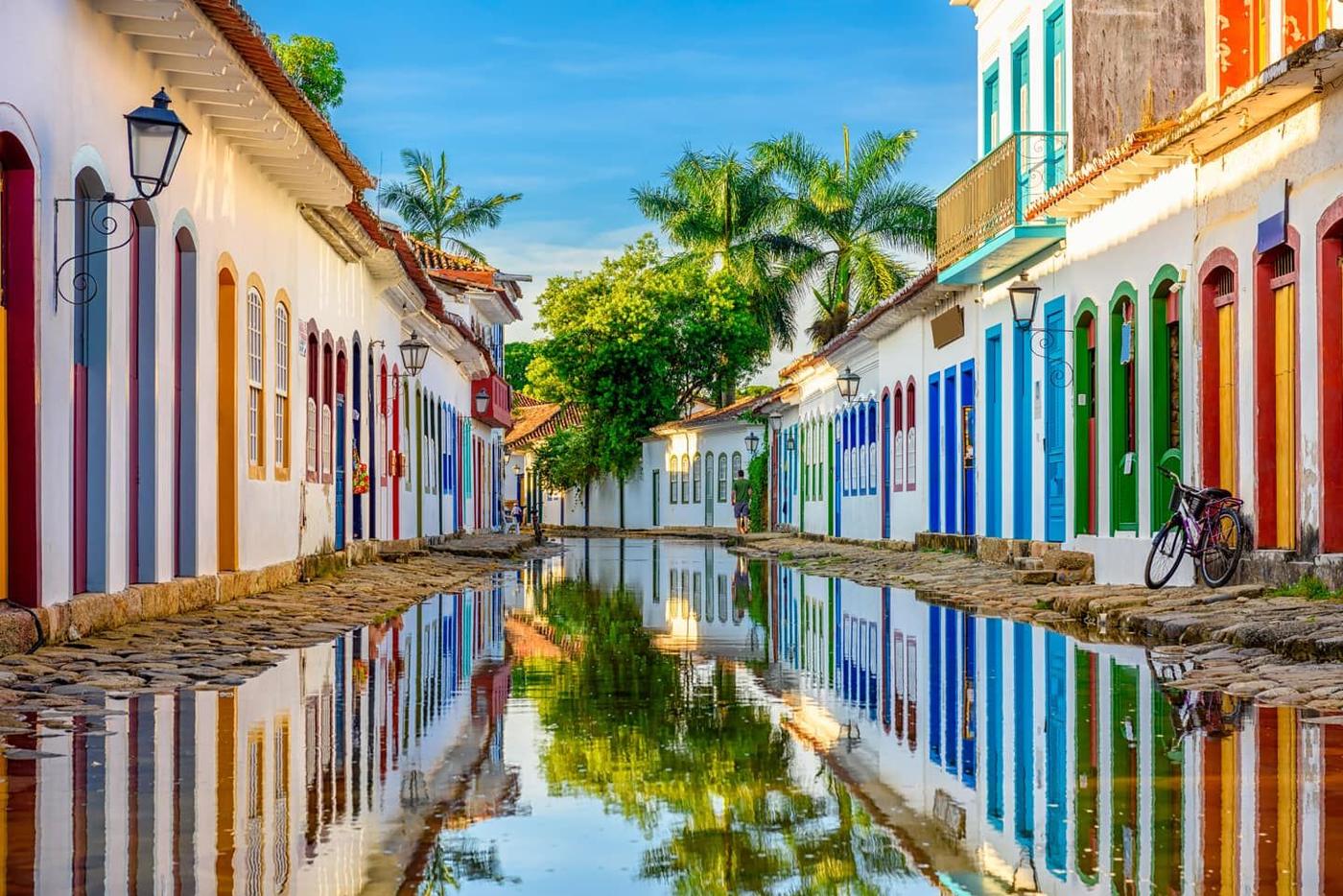
A cobbled street of white colonial houses with coloured doors, reflected in a puddle

Day 2

A day on the bay

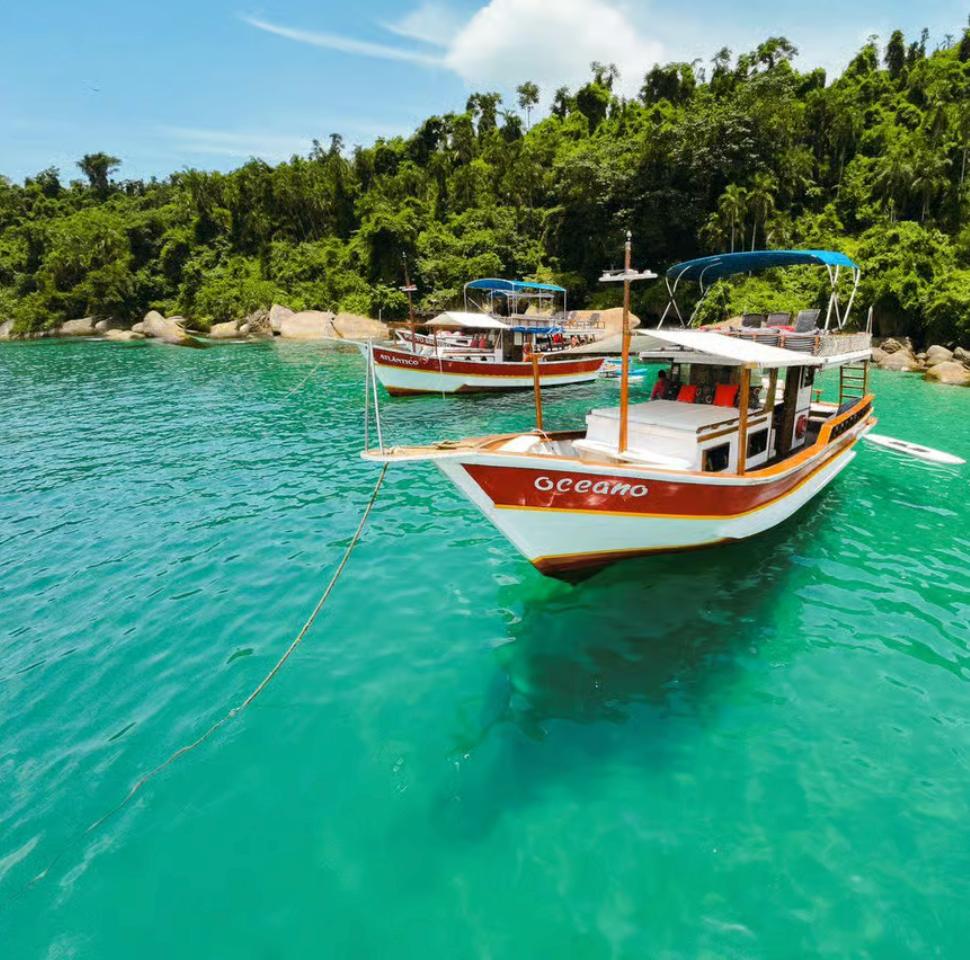
You have a private boat for six hours on the bay, with its crew and a guide. You stop at quiet beaches and uninhabited islands to swim in clear water, and there are kayaks on board if you'd like to paddle. Lunch is at a restaurant on the coast.

Overnight: Pousada Literária

A wooden boat moored in a turquoise cove below forested hills

Day 3

The Gold Trail

With a guide and a private vehicle you head into the Atlantic forest to walk a stretch of the Gold Trail. It's a stone road built by enslaved Africans in the 18th century to bring gold from the interior to the port. Your guide explains how the gold, sugar and coffee booms shaped Brazil.

After the walk you stop at the freshwater pools and waterfalls, with a swim in Tarzan's pool. The Toboggan is a natural rock slide down a waterfall. You slide down it sitting, though the locals surf it standing up.

Fazenda Bananal is another option for the afternoon. It's a restored 17th-century farm 10 minutes from the pousada, with trails, birdwatching and a farm-to-table restaurant called Ninho.

Overnight: Pousada Literária

Day 4

Paraty to Rio de Janeiro

Your guide and driver take you along the coast to Rio de Janeiro, about four and a half hours. You check in to Emiliano Rio on Copacabana for four nights, and the rest of the day is for the beach or the rooftop pool.

Overnight: Emiliano Rio

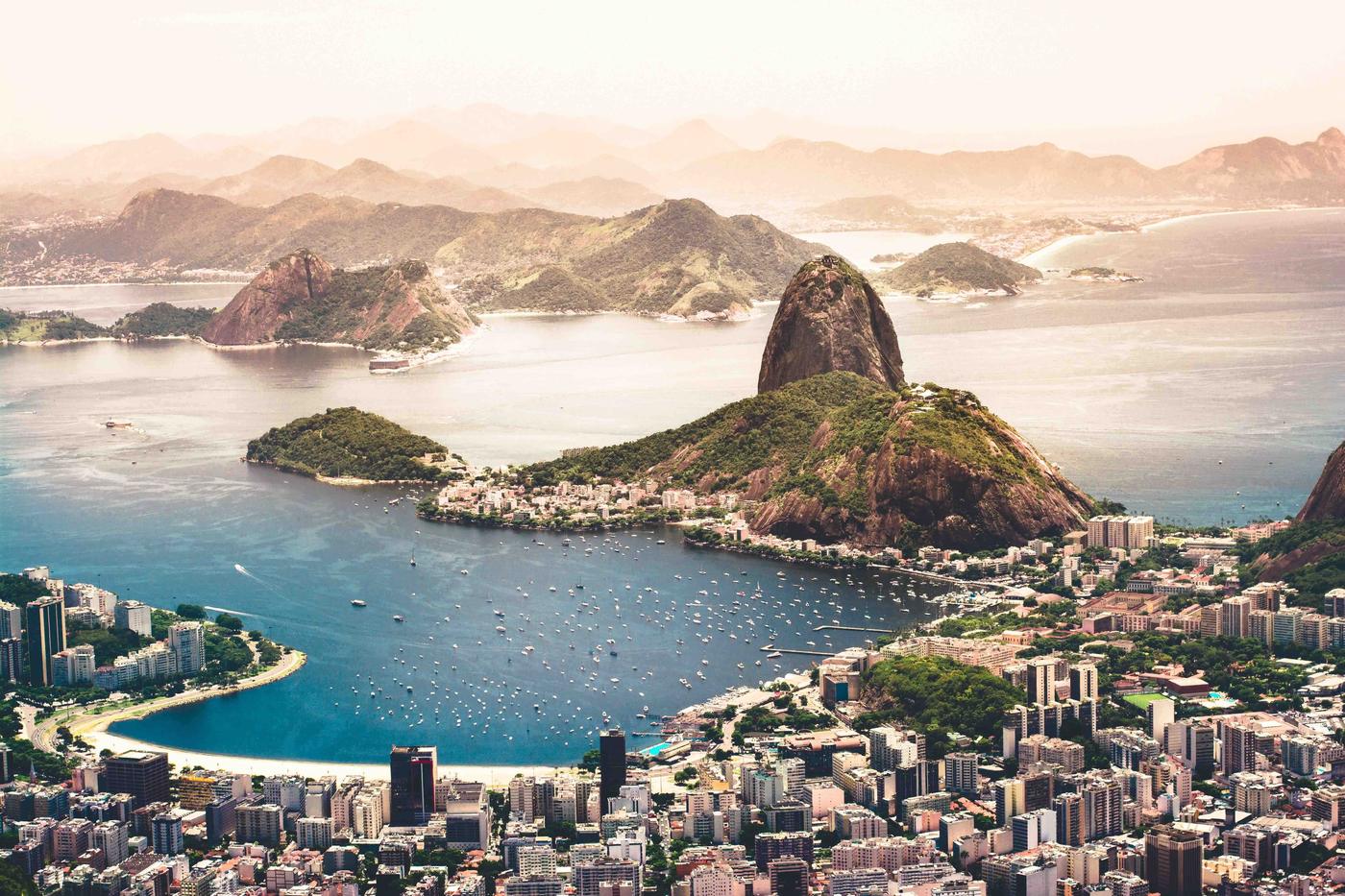
Sugarloaf Mountain and Guanabara Bay from above, with Rio's buildings below

Day 5

Sugarloaf and a helicopter flight

A guide picks you up for Sugarloaf. The glass-walled cable car goes first to Urca Hill, where gardens look out over Guanabara Bay. A second car takes you on to the summit, nearly 400 metres above the sea, with the whole of Copacabana and the bay below you.

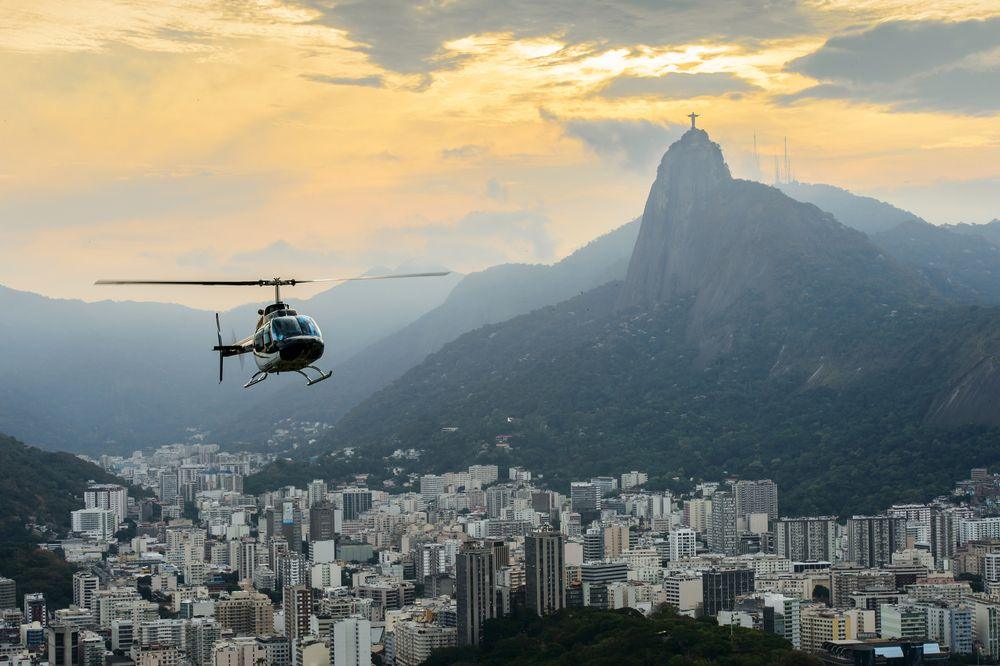
Later you see the city from the air on a 12-minute helicopter flight, and a driver brings you back to the hotel.

Overnight: Emiliano Rio

A helicopter over Rio's apartment blocks, with Christ the Redeemer on the mountain behind

Day 6

Rio by bike and Vidigal

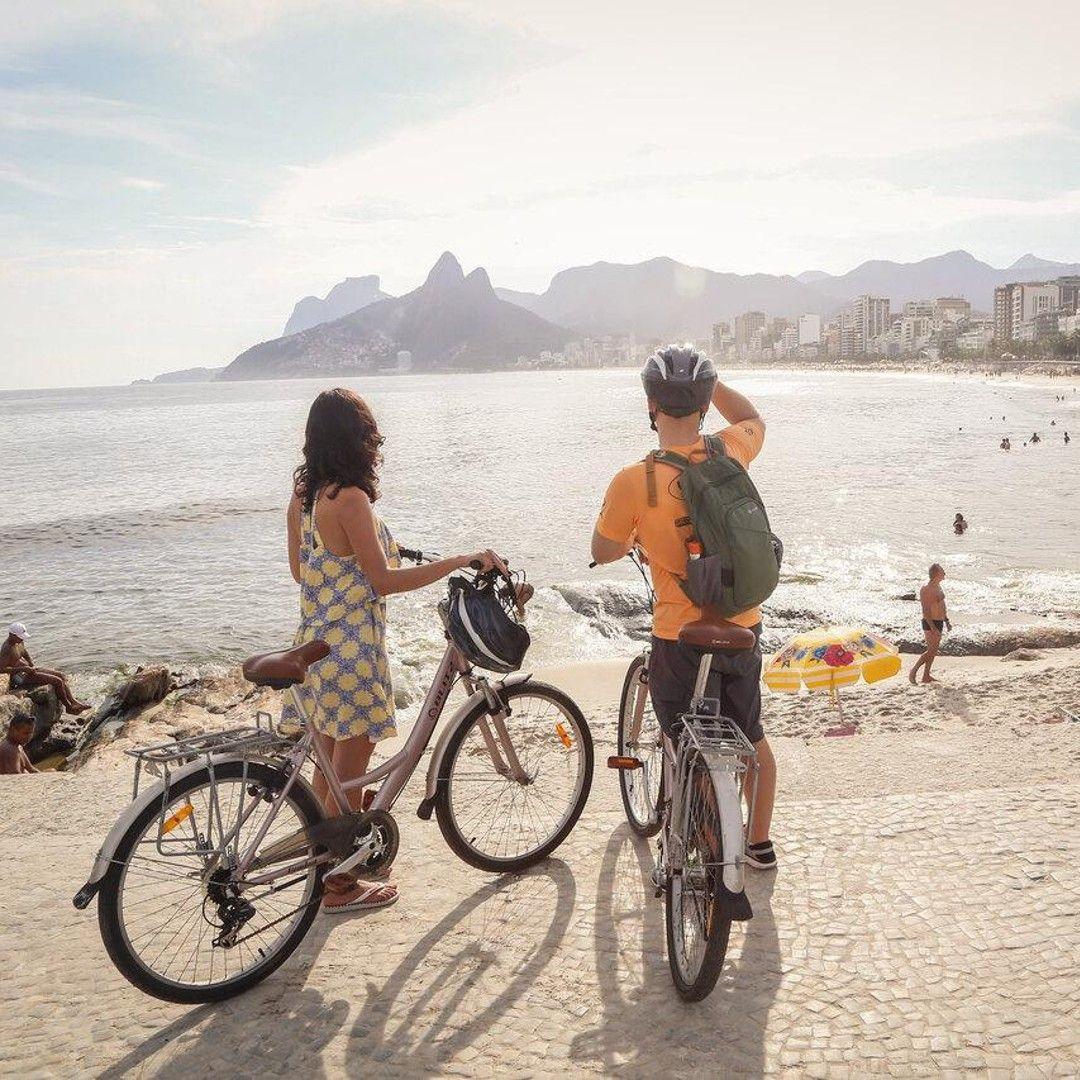
In the morning a guide leads an easy bike ride along the seafront. You ride Copacabana's mosaic promenade and Ipanema, climb gently to Arpoador for the view over the Atlantic, and carry on to Leblon and around the Rodrigo de Freitas lagoon. On the way you stop at an open-air fruit market to taste Brazilian fruit.

In the afternoon you spend time in Vidigal, a hillside community where four local leaders run projects of their own. You try a capoeira class and drum with Batucavidi, the neighbourhood's youth percussion group. Then you walk through a community garden built on an old rubbish dump, and finish with a craft beer brewed in Vidigal.

Overnight: Emiliano Rio

Two cyclists with their bikes on the beachfront, with Rio's mountains behind

Day 7

Pedra Bonita and Maracanã

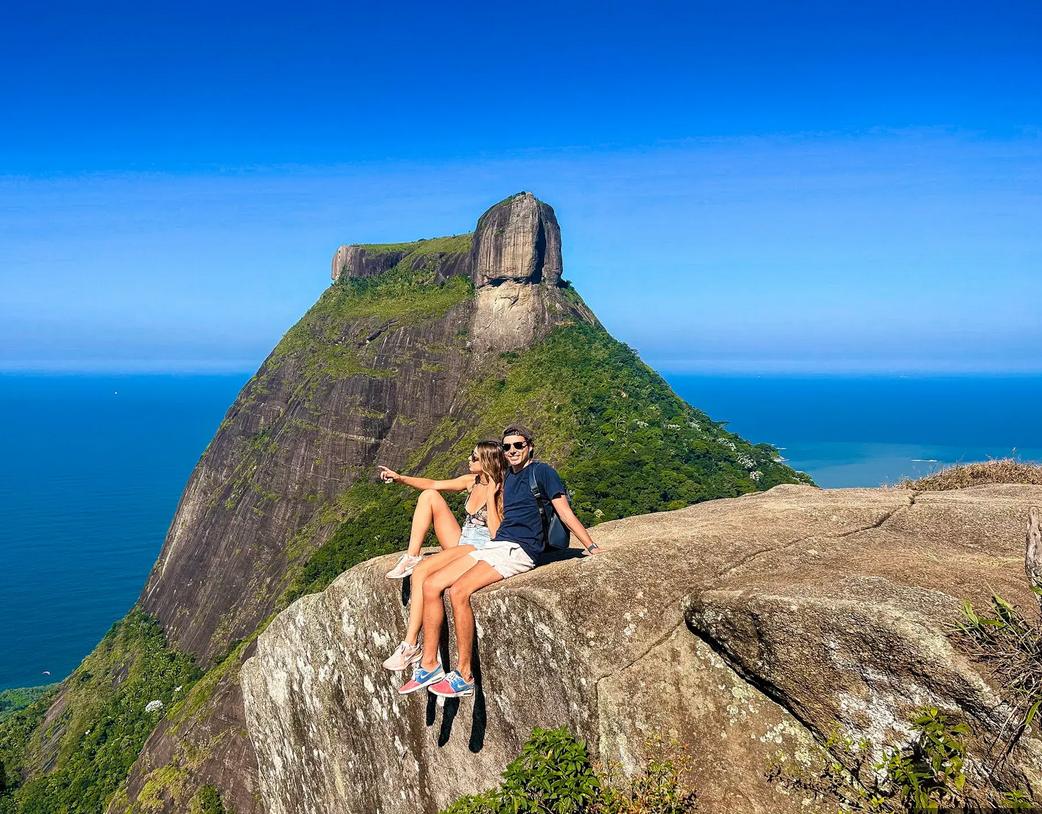
Pedra Bonita rises to 696 metres in Tijuca National Park, and hang gliders launch from the top. The moderate trail takes about 35 minutes through tropical forest. From the summit you look down over the beach at Barra da Tijuca and out to the mountains around the city.

If there's a match on, you spend the evening at Maracanã, Rio's main football stadium. You watch from a private box with a guide, drinks and snacks.

Overnight: Emiliano Rio

Two hikers sitting on a granite slab at the top of Pedra Bonita, with a huge rock peak and the ocean behind

Day 8

Home from Rio

After breakfast you head to Rio's airport (GIG) for your flight home.

Questions

Questions About This Trip

Seasons, rules and schedules can change, and we rely on our partners on the ground for the latest. Ask us before you plan around any of these answers and we'll double-check them.

Copacabana or Ipanema: where should you stay in Rio de Janeiro?

Either works well, since they're only one beach apart. Copacabana is the busier of the two and the closer to Sugarloaf. Ipanema and Leblon are just to the west, and they have more of the city's best shops and restaurants. Leblon in particular has become Rio's main neighbourhood for fine dining.

What is the Gold Trail in Paraty?

It's the old road that carried gold from the mines of Minas Gerais over the mountains to Paraty. From the port the gold went by ship to Rio de Janeiro and on to Portugal. Pirates kept attacking those ships, so a safer road was built from the mines straight to Rio, and Paraty's gold trade faded.

Why is Paraty a UNESCO World Heritage Site?

It was listed in 2019, together with Ilha Grande, for both its colonial town and the Atlantic forest on the mountains and islands around it. It was the first place in Brazil listed for its culture and its nature at once. Much of the old town has barely changed in 250 years.

What is the Saco do Mamanguá near Paraty?

It's a narrow arm of the sea about 8 kilometres long, cutting into the mountains southeast of Paraty. It's known as Brazil's only tropical fjord, and there are mangroves at its far end. About eight small traditional communities live along its shores.

How It Works

We Arrange All of It

Each trip idea is a starting point. We adjust the length, the pace and the hotels to suit you, then book and manage every part of it.

  • Flights. Booked with your points where they're worth the most, and with cash where they aren't.
  • Every transfer. Private drivers, boats and domestic flights between each stop, timed to your arrival.
  • Guides and tours. Booked for the days that suit you, private or shared.
  • The hotels. Booked directly with the properties we work with, with rooms matched to your group.
  • Support while you're away. If a flight cancels or plans change, you contact us and we sort it out.

Plan This Trip

We can add a fourth night in Paraty for the Saco do Mamanguá fjord and lunch on board the Maria Panela schooner, or an extra day in Rio for Christ the Redeemer. The Maracanã evening depends on the fixture list, so we plan it once your dates are set.

Every trip is priced for your dates. Send us rough dates and who's travelling, and we'll come back with the full plan.

Ask About This Trip